
What does it look like?
- Crying
- Physically clinging to parent
- Loud protesting
- Persistent worry when separated from parent(s)
Separation anxiety typically doesn’t last very long for most children and resolves itself within a few weeks. Once toddlers begin to realize that their parents will actually return, their fears tend to alleviate. Even older children can experience short-lived bouts of separation anxiety. These times are often even harder for parents, but it’s all perfectly normal!
Why does it happen?
What can we do?
- Set aside some extra time in the morning. The simple act of not rushing can create a sense of calm for both you and your child, but it also leaves a few extra minutes for some cuddles.
- Create a routine. When your child knows what to expect, they will feel more able to trust that everything is okay. This may mean singing a special song in the car on the way to school, walking to the front door together, and making sure to squeeze in one last hug. Find whatever routine works for you and for your child.
- Be consistent. Once you’ve established a routine, stick to it. This can be a challenge, but it is so important and will do so much to help a child who is feeling anxious. Of course, life has a way of interrupting our plans and routines (especially when you’re trying to get out the door with a young child!) but try to be as consistent as possible.
- Don’t linger, but don’t sneak out. Staying too long can intensify feelings of anxiety when you do leave but leaving without your child’s knowledge isn’t the greatest idea, either. They may experience feelings of worry or sadness, but they will also be more likely to trust if they know when a parent is leaving.
- As your child’s teacher or caregiver for advice. Chances are, they have had lots of experience with separation anxiety in children. Teachers are often masters of distraction and redirection, which can help you make a peaceful exit.
What if it’s more?
You might also like
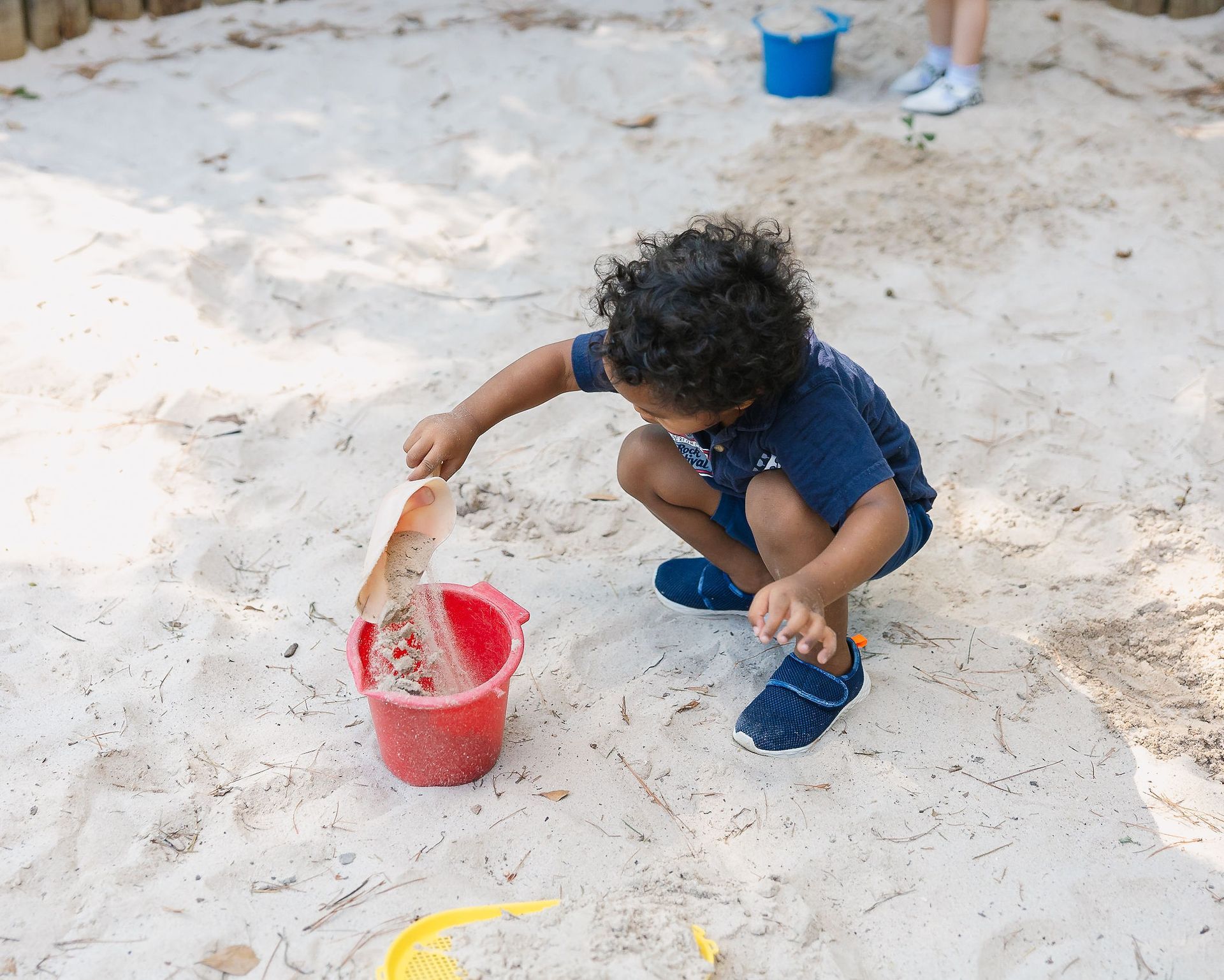
Discover how self-directed play builds independence and creativity in young children, plus practical tips to foster open-ended exploration at home.
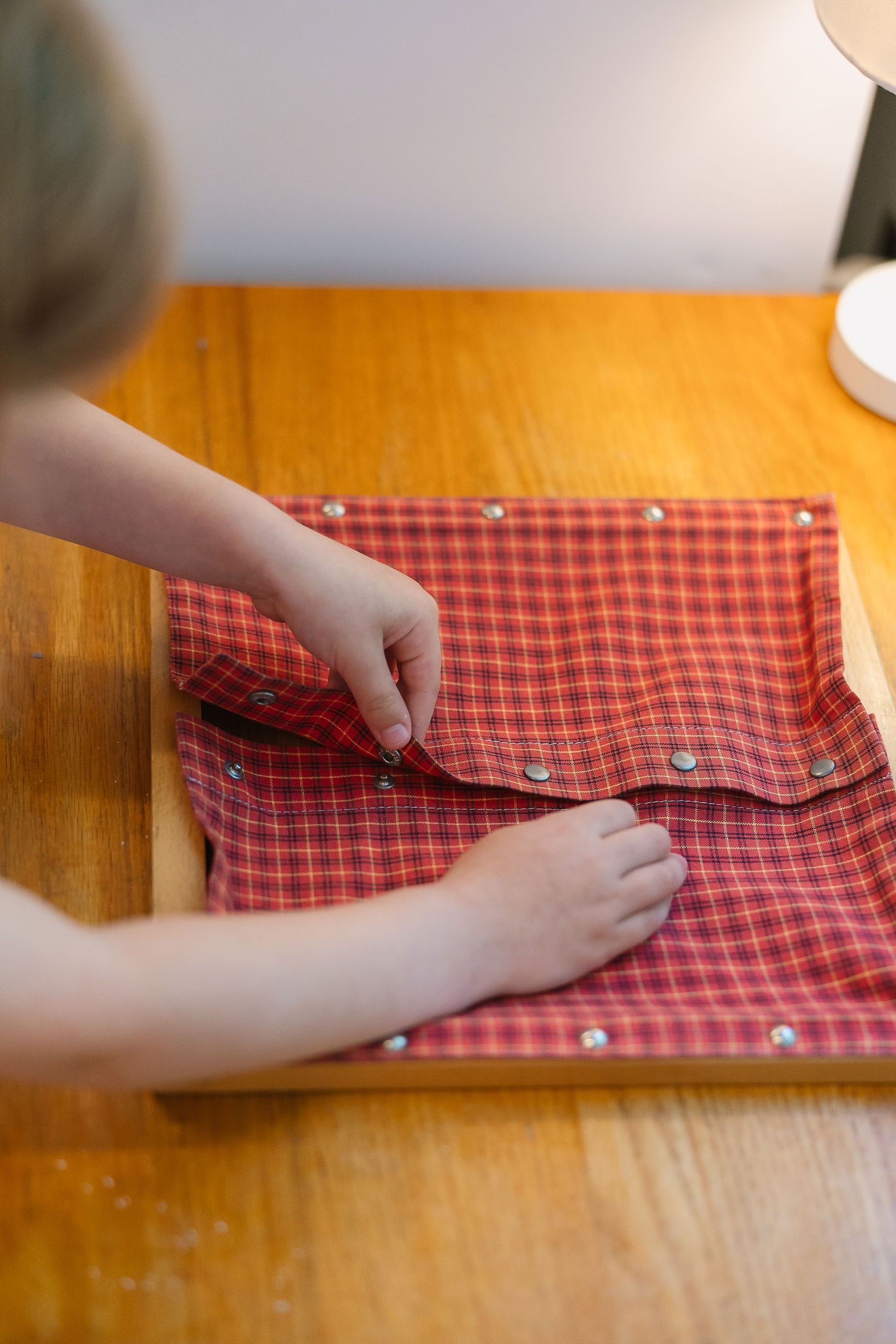
Explore how young children build independence from birth to age six, and learn how parents and Montessori environments support each developmental step.
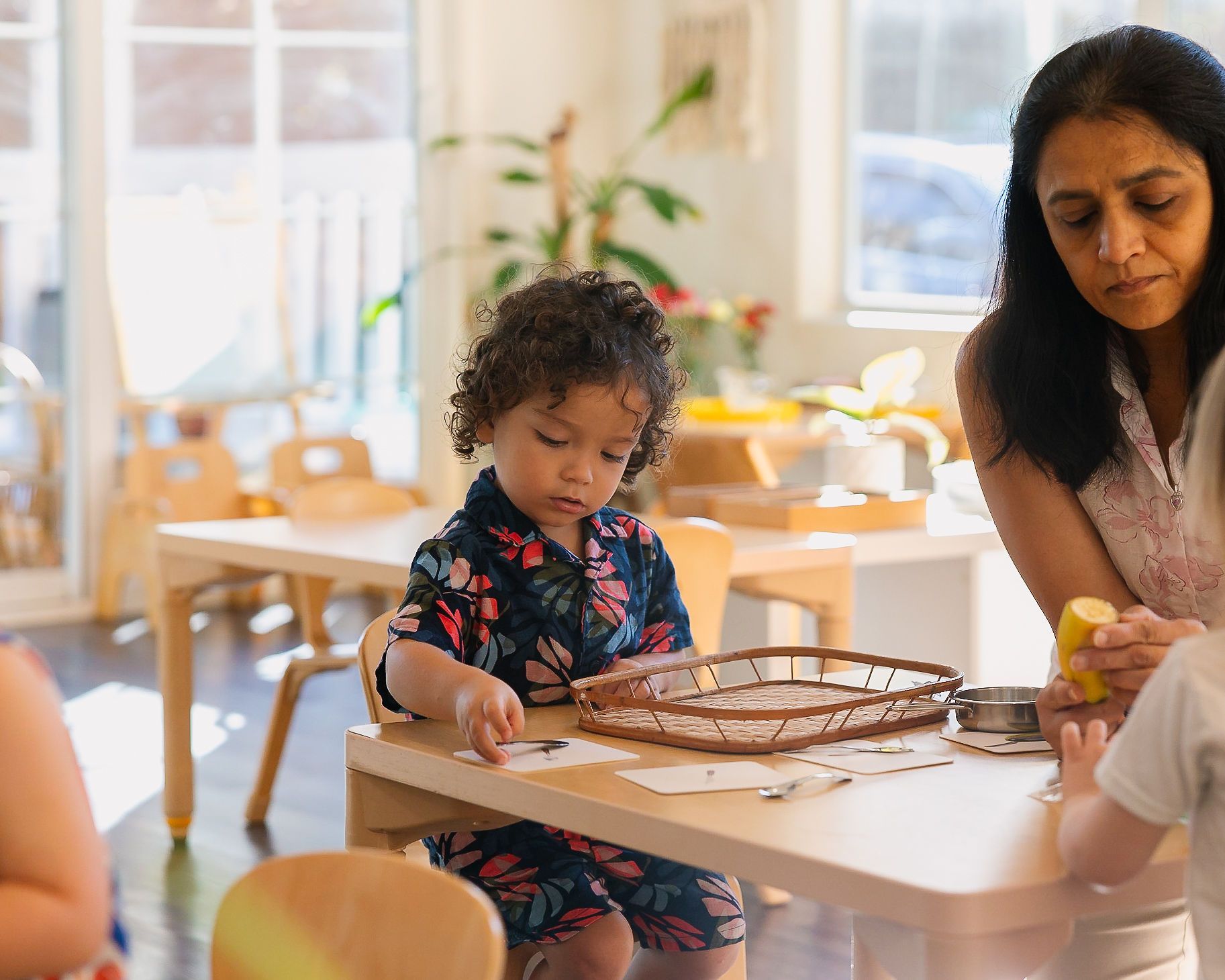
Discover how the symbiotic period builds trust and security for your infant, and how early attachment creates the foundation for future independence.