10 Minutes That Change Everything: The Power of Special Time with Your Child
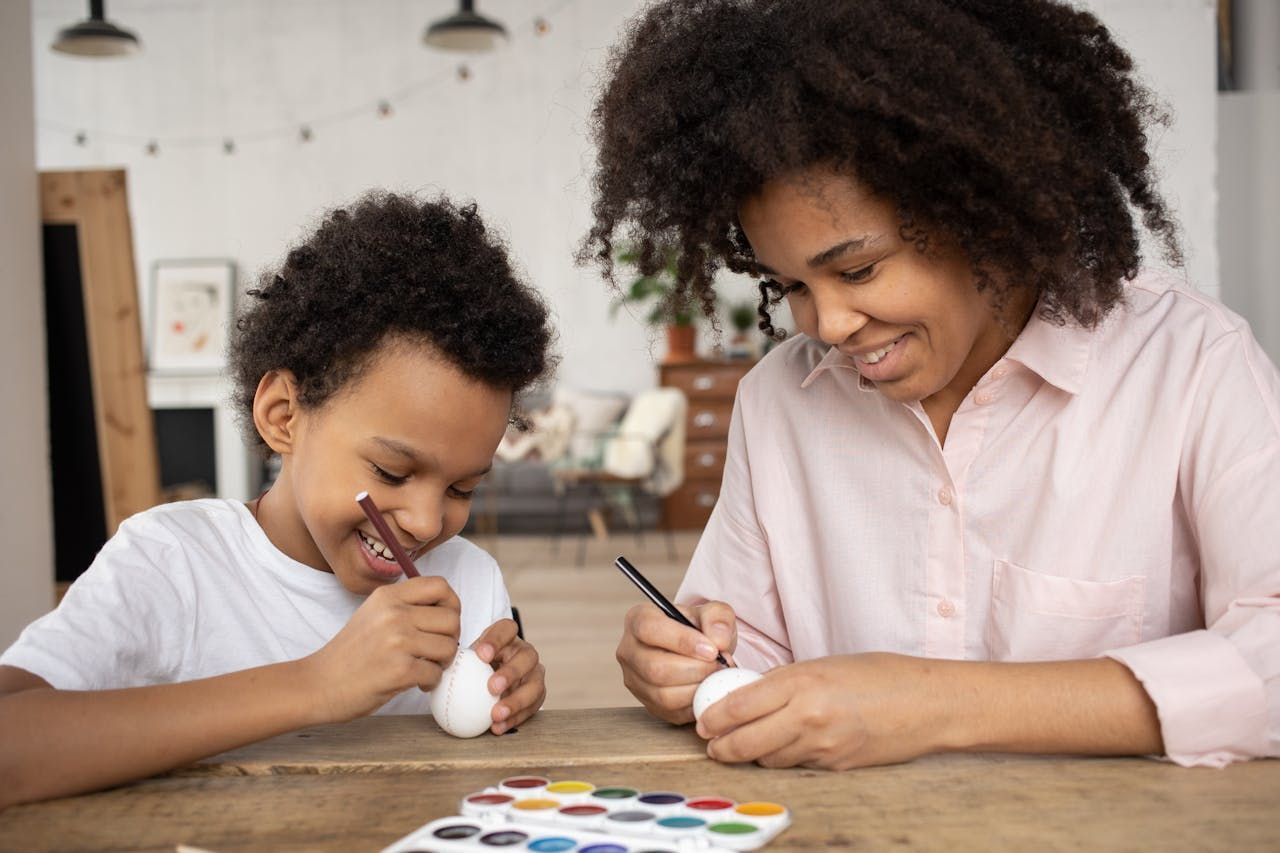
Montessori parent and child painting together, sharing connection, joy, and quality time through play.

Our children are particularly sensitive to changes. Whether something as seemingly small as picture day, or as major as a new sibling, our children feel the energetic shift, and we may see resulting (and perhaps frustrating) changes in their behavior.


The irony is that when our children are acting their worst, they need our love the most. A strategy for handling these kinds of challenges is to set aside “Special Time.”


Special Time is a proactive way to strengthen our relationship with our child. During this time, our role is to be fully present, with no distractions or multitasking. No phone, no dishes, no “just a quick text.” We are giving our child undivided attention and pouring in love, delight, appreciation, and a bit of extra enthusiasm.

We choose when it will happen and how long it will last (it works to start with just ten minutes), and our child chooses what you do together. Yes, this is child-led!


Practical Tips


During Special Time, we follow our child’s lead and play whatever they choose. Be sure to play anything they want during this time and commit to the time together. Children love this special time, and they tend to choose the activity we least enjoy! If this is the case, remember it is only for a short duration. Even a short burst of undivided attention helps children feel secure, valued, and deeply connected. And when children feel connected, they are more cooperative with us and each other.


A timer is essential. Why? Because our child may come up with some big, wild, or noisy ideas! Ten minutes of mess or silliness is easier to embrace than an hour. The timer helps us be all-in, and it reassures our child that this time is both precious and reliable.


If you have more than one child, you’ll want to find ways to protect this one-on-one time. Some parents stagger bedtimes or wake-ups. Others enlist a partner, sitter, or neighbor to help. Sometimes screen time is a perfectly reasonable tool for protecting Special Time with another sibling. With just a little creativity, ten minutes really can fit into the rhythms of family life.


How to Begin


Introduce it. Explain that you’ve learned about a new way to spend time together called Special Time. Commit to doing it every day for the next five days, for ten minutes each time.


Announce special time with joy. When it’s time, say, “It’s time for Special Time! I’m setting the timer for ten minutes, and we can do whatever you want!”


Follow their lead. Join their play. If you’re not sure what to do, sit at their level, smile, and stay present. Sometimes your attention is all they need.


End with affection. When the timer rings, wrap up warmly. A hug, high five, or smile is perfect. Follow what feels right for your child.


Why It Matters


Special Time builds trust, connection, and joy. It gives children the message that they are worthy of our time and attention, not just when they need correction or help, but simply for who they are.


From a Montessori perspective, this practice aligns beautifully with the principle of following the child. In Montessori environments, children thrive because adults prepare the space and then step back, allowing the child’s choices to drive the activity. Special Time brings that same spirit into your home. It tells your child: I see you, I delight in you, and your choices matter.


We often talk about independence, but true independence rests on a foundation of strong, loving relationships. By offering these short, intentional moments, we help our children feel secure, valued, and confident in their choices. These qualities then serve our children in all areas of their growth.


Try this today! Set the timer for ten minutes, follow your child, and see what unfolds. If you want to learn more about how positive relationships boost closeness and cooperation, set up a time to see us here at Northwood Montessori School in Houston, Texas.


You might also like
By Dolores Vazquez January 14, 2026
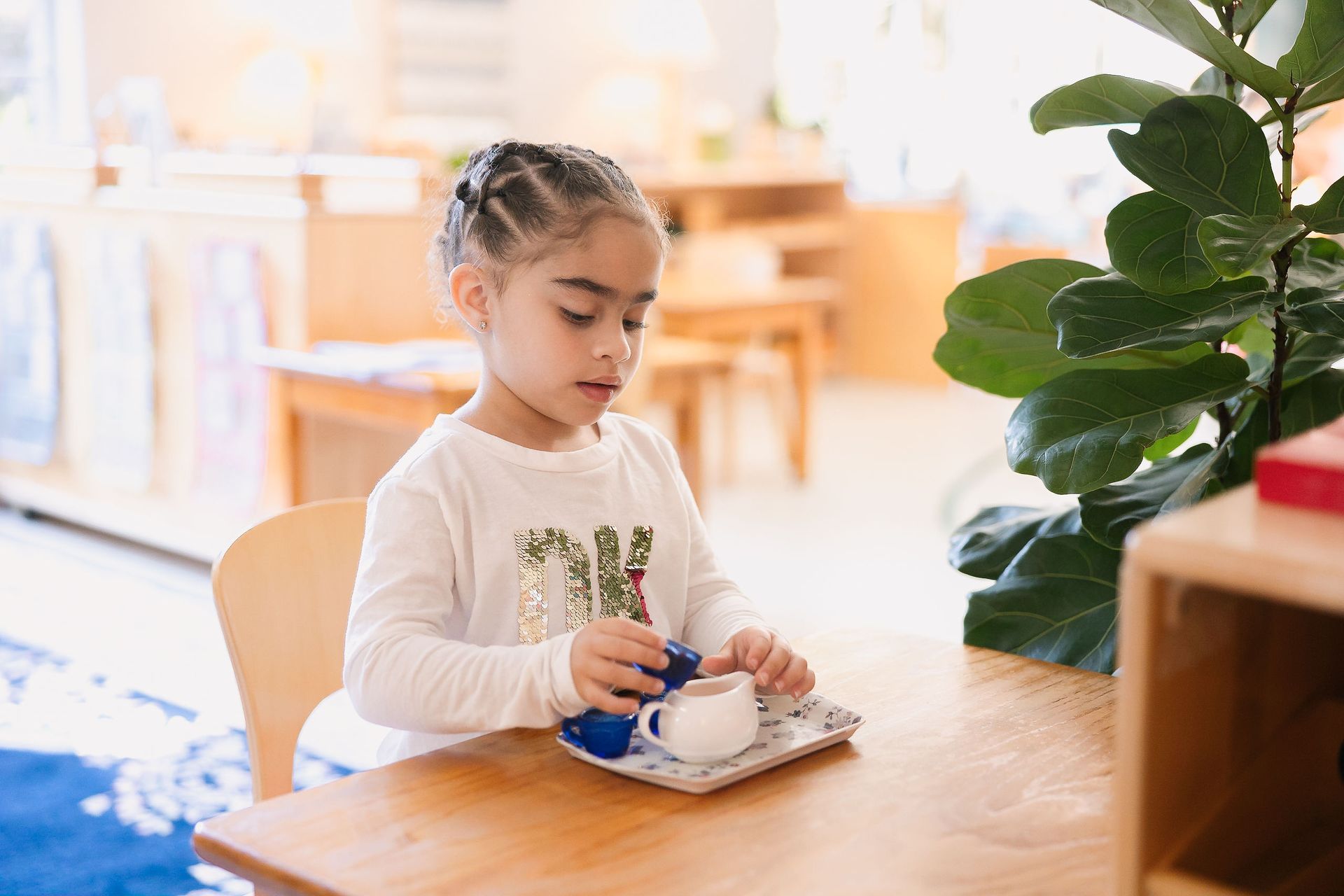
Returning to school after winter break presents a meaningful opportunity to re-establish rhythm, routine, and independence for children. In Montessori education, transitions are approached with patience, respect for development, and thoughtful preparation of the environment. January offers a natural reset; allowing children to regain momentum and rebuild the concentration and confidence that come from purposeful work. Re-establishing Rhythm After the Holidays Young children thrive when their days follow predictable patterns. Breaks from school are joyful and family-centered, yet they often bring irregular schedules, travel, or disrupted sleep routines. As children return to the classroom in January, they may temporarily show signs of disorganization, lower concentration, or increased emotional sensitivity. From the Montessori perspective, this is expected. The prepared environment, with its order, consistency, and carefully sequenced materials, provides the grounding children need to return to purposeful activity. Very quickly, they remember the flow of the work cycle, the expectations of the community, and the independence that is built into every part of the day. How Montessori Classrooms Reinforce Independence in January Practical Life: The Foundation of Independence Practical Life materials are central during post-break transitions. Children are naturally drawn back to these exercises because they offer structure, clarity, and purposeful movement. Activities such as pouring, sweeping, food preparation, and care of the environment help children regain equilibrium while strengthening coordination and concentration. Grace and Courtesy Renewed January is an ideal time for revisiting Grace and Courtesy lessons, small demonstrations that teach children how to interact respectfully within their community. These lessons help reset expectations and reinforce peaceful problem-solving, kindness, and cooperation. Choice and Uninterrupted Work Cycles Children return to long, uninterrupted periods of concentration. The freedom to choose meaningful work allows them to re-engage at their own pace, restoring the satisfaction that comes from self-directed activity. Strategies Parents Can Use at Home Resetting the Home Environment Simple adjustments can empower children to become more independent after the holiday break. Consider: A consistent place for shoes and coats Low hooks and shelves for belongings A small snack station with accessible containers Child-sized tools for cleaning and organizing These changes mirror the Montessori prepared environment and help children feel capable and confident. Consistent Routines Re-establish a predictable morning and evening sequence: Prepare clothes the night before Use a visual routine chart if helpful Keep wake-up and bedtime consistent Children feel more secure when they know what to expect. Supporting Emotional Transitions Transitions take time. Montessori emphasizes calm, respectful communication. Offer empathy, pause before assisting, and encourage your child to try tasks on their own before stepping in. Simple Montessori-Aligned Activities to Build Independence Folding washcloths Watering plants Helping prepare breakfast or snacks Sorting laundry Organizing winter gear and outerwear These tasks develop coordination, responsibility, and confidence while fostering meaningful participation in family life. Supporting Independence at Northwood Montessori At Northwood Montessori, we see January as a fresh opportunity to strengthen independence, re-establish routines, and honor each child’s natural desire for purposeful work. Through the prepared environment, skilled guidance, and respect for each child’s developmental rhythm, we help children transition back into the school community with confidence and joy.
Montessori children playing together outside, learning empathy, cooperation, and friendship skills.
November 17, 2025
Help your child navigate friendships and social challenges with Montessori’s compassionate approach to empathy, problem-solving, and confidence.
Montessori child hammering wood with focus, showing persistence and independence in work.
November 10, 2025
Discover how Montessori nurtures persistence, choice, and independence in children—building grit, willpower, and lifelong decision-making skills.
More Posts