The Value of Unscheduled Time
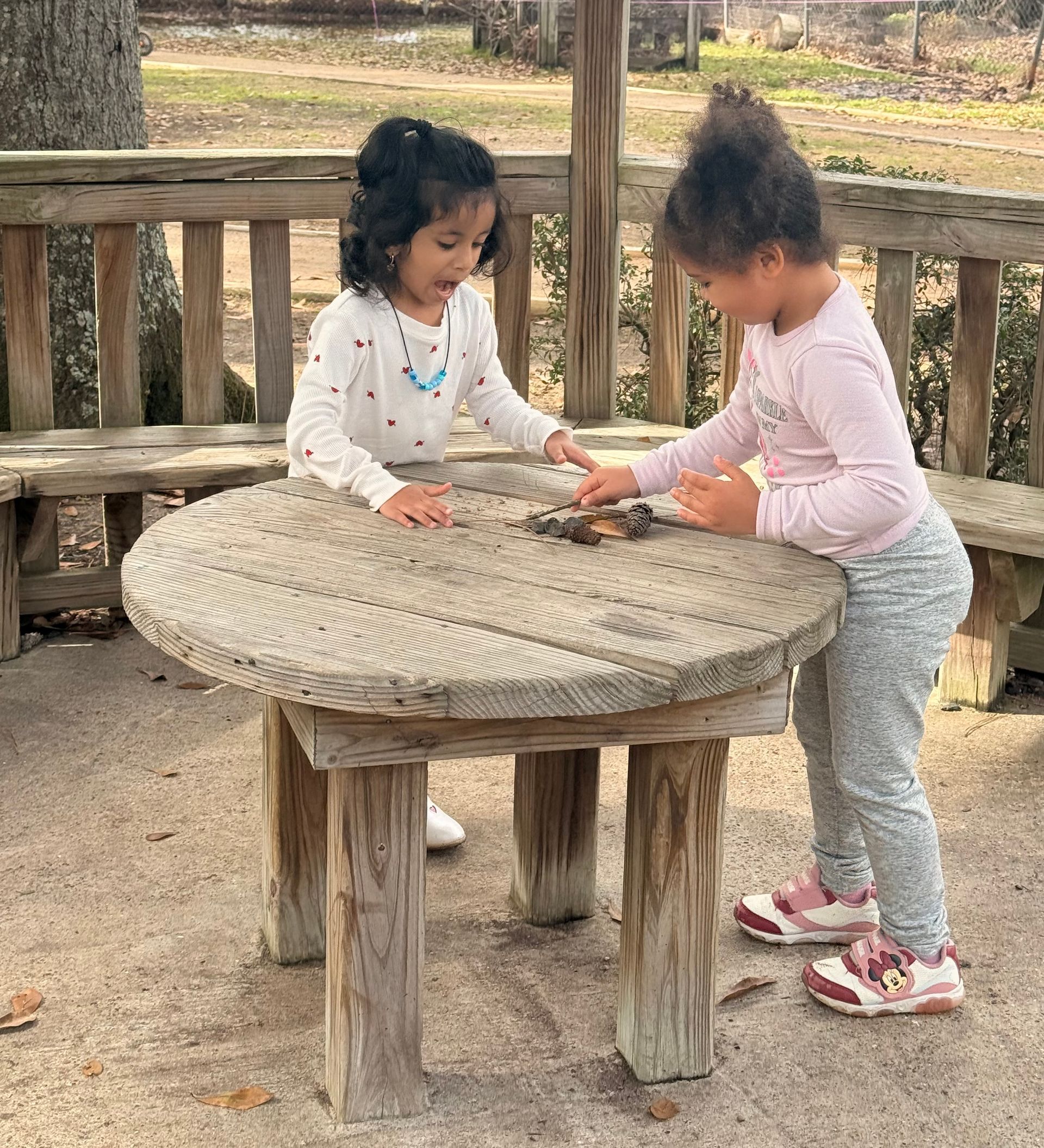
The new year often brings a renewed focus on productivity, routines, and “getting back on track.” For adults, this can be helpful. For young children, however, the most valuable reset is often the opposite: more unstructured time, fewer scheduled activities, and space to simply be.
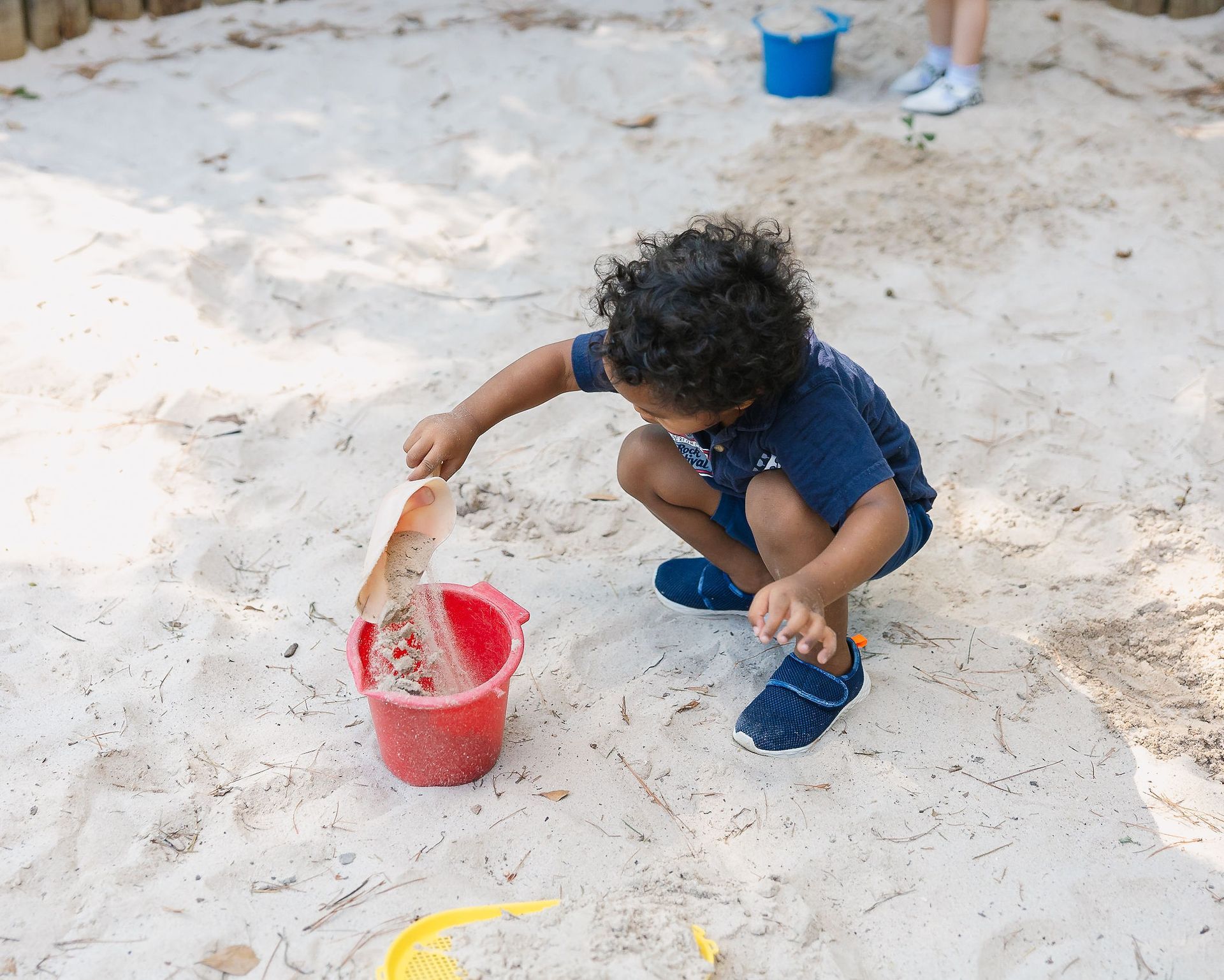
A growing body of child development research consistently shows that independent free play and even moments of boredom are not luxuries for young children. They are essential conditions for healthy cognitive, social, and emotional development.
What the Research Tells Us
1. Free play builds executive function.
Executive function skills, such as self-regulation, problem-solving, planning, and flexible thinking are strongest when children engage in self-directed play. Studies from the American Academy of Pediatrics and developmental psychologists like Dr. Adele Diamond show that these skills develop most effectively when children are allowed to initiate, organize, and sustain their own activities without adult direction.
When children decide what to play, how to play, and how long to stay engaged, they are practicing the very skills that underpin academic success later on.
2. Boredom fosters creativity and resilience.
Research published in journals such as
Developmental Psychology suggests that boredom is a critical precursor to creativity. When external stimulation is reduced, children are pushed to generate ideas from within. This internal motivation leads to imaginative play, experimentation, and persistence.
Children who are never bored do not learn how to tolerate discomfort, wait, or work through frustration, skills that are fundamental to emotional resilience.
3. Overscheduling increases stress and reduces intrinsic motivation.
Multiple longitudinal studies have linked overly packed schedules in early childhood to increased anxiety, decreased joy in learning, and reduced intrinsic motivation. When every hour is directed by adults, children come to rely on external structure rather than developing internal discipline and curiosity.
Young children, in particular, process their experiences through play. Without adequate time to do so, learning becomes fragmented and shallow.
Why Less Is Often More
From a developmental standpoint, young children do not need more activities, they need more time. Time to repeat an activity, to abandon it and return later, to struggle, to succeed, and to reflect.
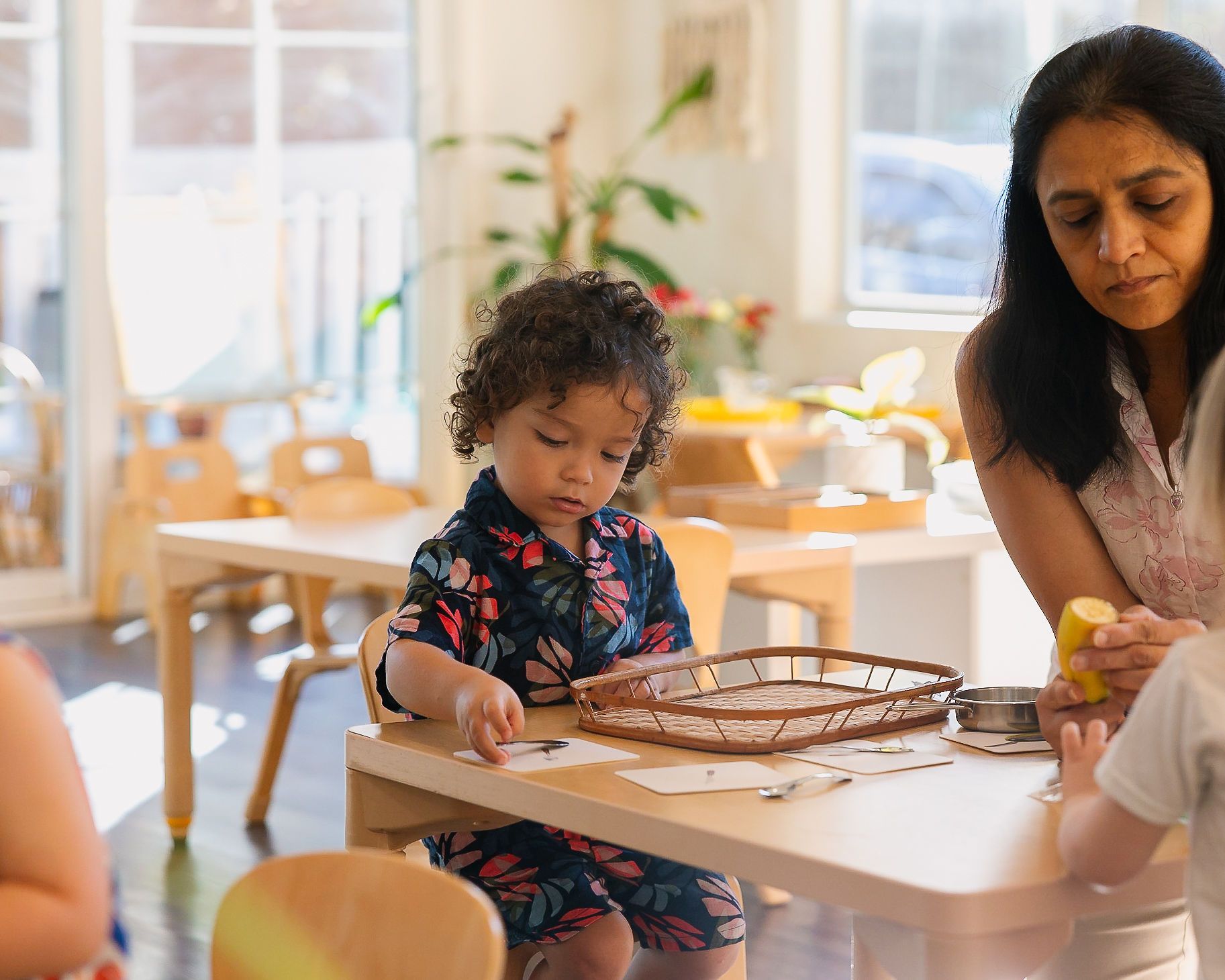
In Montessori environments, we intentionally protect long, uninterrupted work periods for this reason. The same principle applies at home.
A calm, predictable rhythm with ample open space in the day allows children to:
- Develop independence
- Strengthen concentration
- Learn to manage their own time and energy
- Experience joy and ownership in their work and play
Practical Ways to Protect Free Play at Home
Supporting unscheduled time does not require eliminating all activities. It requires thoughtful balance.
1. Limit after-school commitments.
For young children, one optional activity per season is often sufficient. Ask yourself:
- Does this activity bring genuine joy to my child?
- Is there still time afterward for rest and free play?
If the answer is no, it may be time to pause or simplify.
2. Schedule “nothing.”
Treat free time as a non-negotiable part of the day. This might look like:
- An open afternoon with no plans
- A slow morning on weekends
- Time after school with no expectations beyond snack and rest
Children will often say “I’m bored” before meaningful play begins. This is a sign you are doing it right.
3. Reduce adult-led entertainment.
Rather than stepping in to solve boredom, try responding with:
- “I wonder what you might do.”
- “You’ll think of something.”
- “Let me know if you need help getting started.”
This communicates confidence in your child’s ability to direct themselves.
4. Create an environment that invites independence.
Simple, accessible materials encourage self-initiated play:
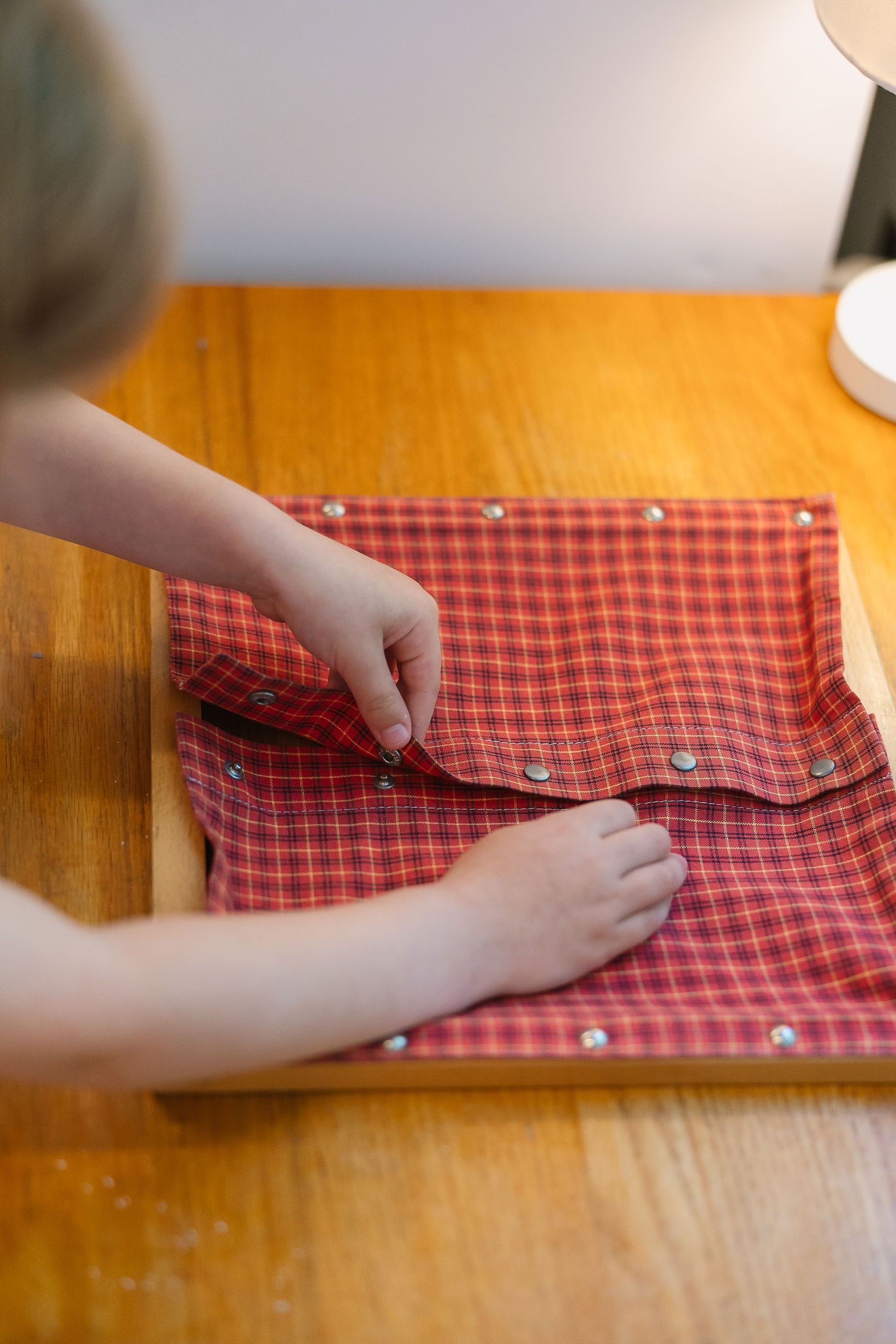
- Open-ended items (blocks, art materials, practical life tools)
- Limited toys, displayed neatly
- Child-sized furniture and reachable shelves
An orderly environment supports deeper, more sustained engagement.
5. Protect rest and downtime.
Young children need significant periods of rest, both physical and mental. Overscheduling often pushes children beyond their developmental capacity to self-regulate, leading to fatigue and behavioral challenges.
Quiet time is not wasted time; it is restorative.
A Long-Term Investment
Choosing not to overschedule can feel countercultural, especially in a world that equates busyness with success. Yet the research is clear: children who are given time to play freely, to be bored, and to move at a child’s pace develop stronger internal motivation, emotional regulation, and problem-solving skills.
By protecting unstructured time now, we are not holding children back, we are giving them exactly what they need to thrive.
As we move into the new year, we invite families to reflect not on what more can be added, but on what might be gently released, making room for childhood to unfold as it should.
You might also like