Educating for Peace


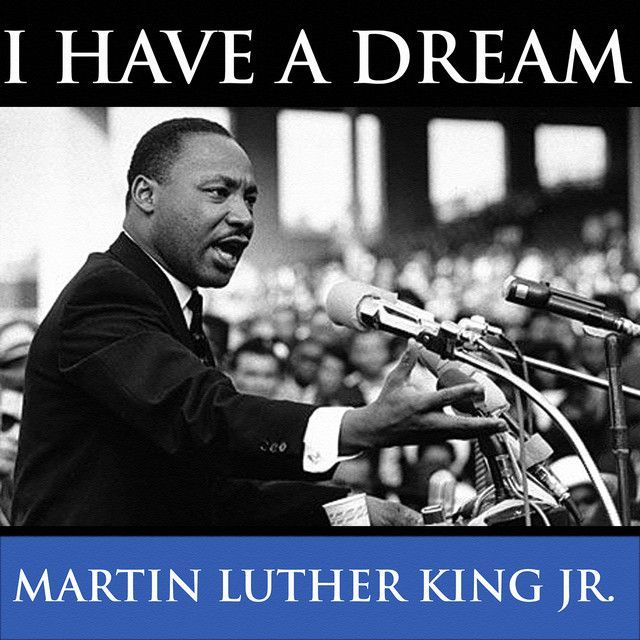
Honoring Dr. Martin Luther King Jr. Through Montessori Peace Education

Dr. Martin Luther King Jr.’s message of peace, dignity, and respect deeply aligns with core Montessori principles. Both Montessori education and Dr. King’s work emphasize the development of peaceful communities, the cultivation of empathy, and the belief that children hold the key to building a more harmonious world.

In Montessori environments, peace education is not an annual event, it is woven into the fabric of everyday life. Still, MLK Day provides a special moment to reflect on how we nurture respect, justice, and kindness in our youngest learners.

Montessori Philosophy and Dr. King’s Message

Maria Montessori believed that peace is achieved through the development of the whole child. When children are supported in their physical, emotional, and intellectual growth, they naturally become compassionate, respectful, and responsible members of society.

Dr. King similarly championed cooperation, respect, equality, and the power of community. The alignment between these two approaches is profound: both understood that lasting peace begins with the way we guide and educate children.

How Montessori Classrooms Teach Peace Every Day

Grace and Courtesy Lessons

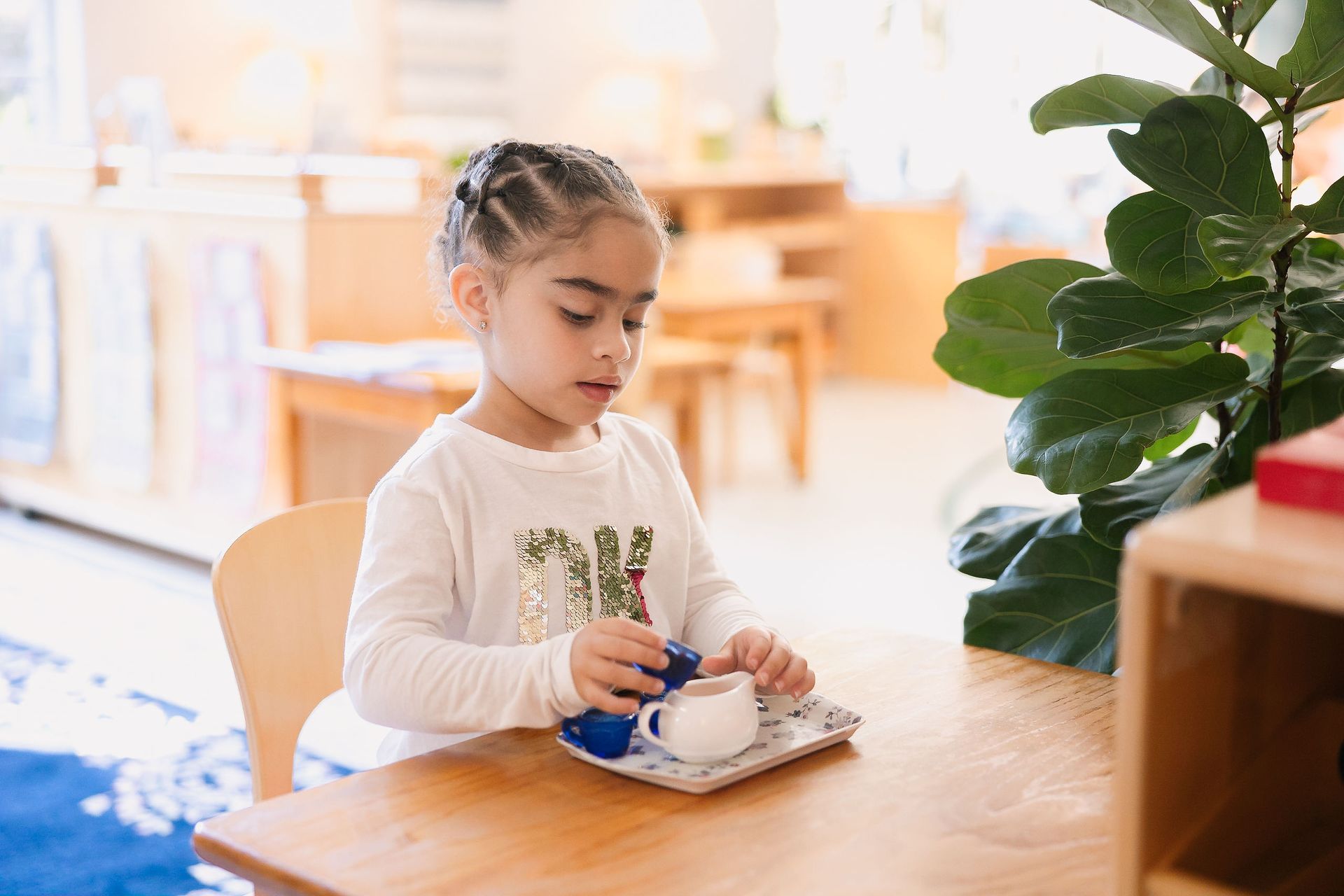
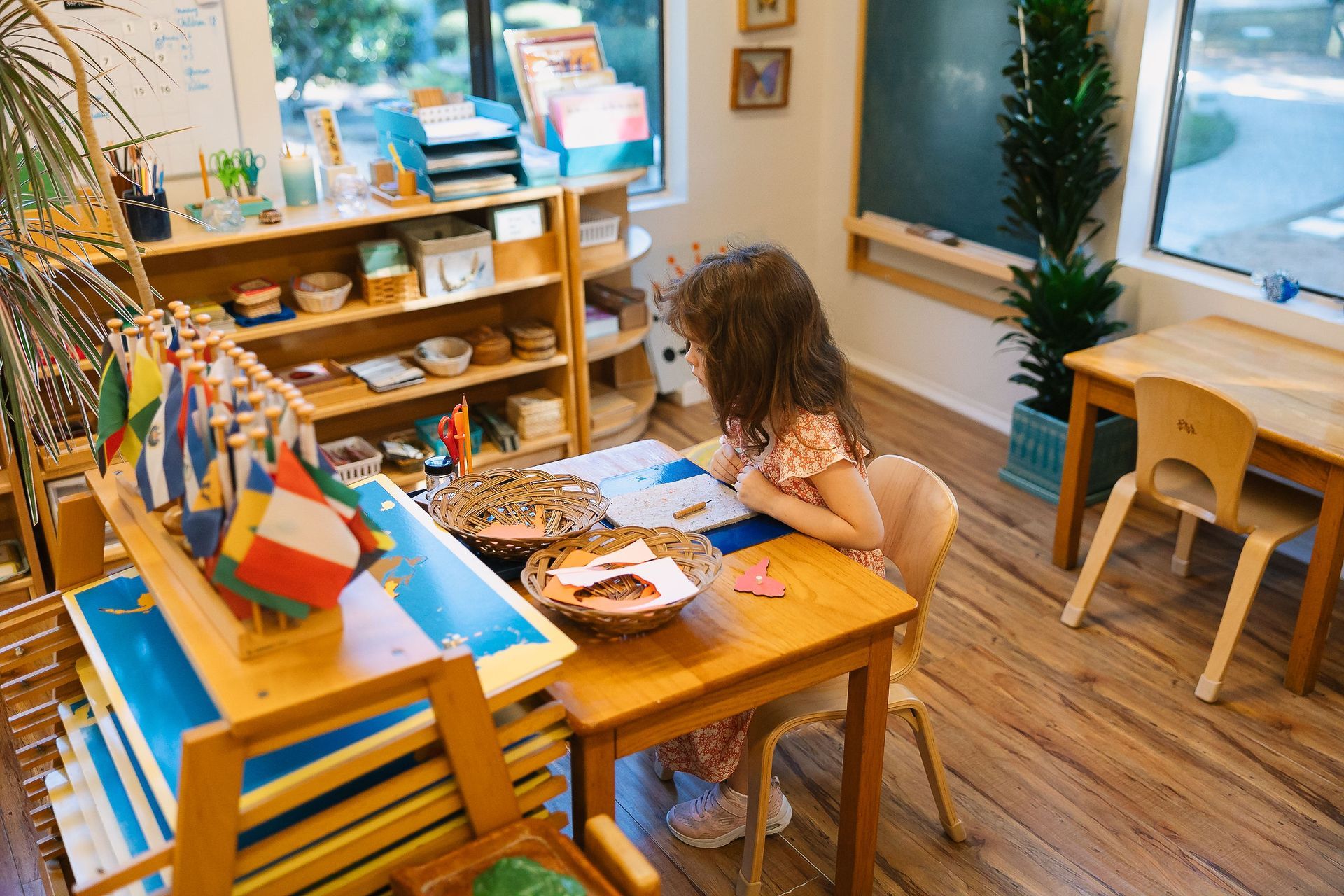
Grace and Courtesy lessons help children learn how to navigate social situations with kindness and respect. These brief demonstrations; such as how to greet someone, how to wait patiently, or how to include others, model the behaviors that support peaceful community life.

Mixed-Age Communities

Montessori classrooms with mixed ages naturally promote collaboration, encouragement, and mentorship. Older children develop leadership and empathy, while younger children experience belonging and support.

Purposeful Work and Concentration

Dr. Montessori observed that concentrated work brings inner calm. When children are given time and freedom to focus, they experience satisfaction and self-regulation; critical components of peaceful behavior.


Montessori-Inspired Ways to Honor Dr. King at Home

Conversations About Kindness and Fairness

Keep discussions simple and age-appropriate. Focus on themes such as helping others, including everyone, and standing up for what is right.

Peace Activities for Young Children

  • Create a “peace table” where children can calm themselves

  • Practice taking turns and listening respectfully

  • Encourage simple acts of kindness in the home or community

Books That Reflect MLK’s Values

A few child-friendly options include:

  • I Am Martin Luther King, Jr. by Brad Meltzer

  • My Brother Martin by Christine King Farris

  • Martin’s Big Words by Doreen Rappaport

These stories help children understand Dr. King’s message through meaningful illustrations and clear language.

Building a Community of Respect at Northwood Montessori

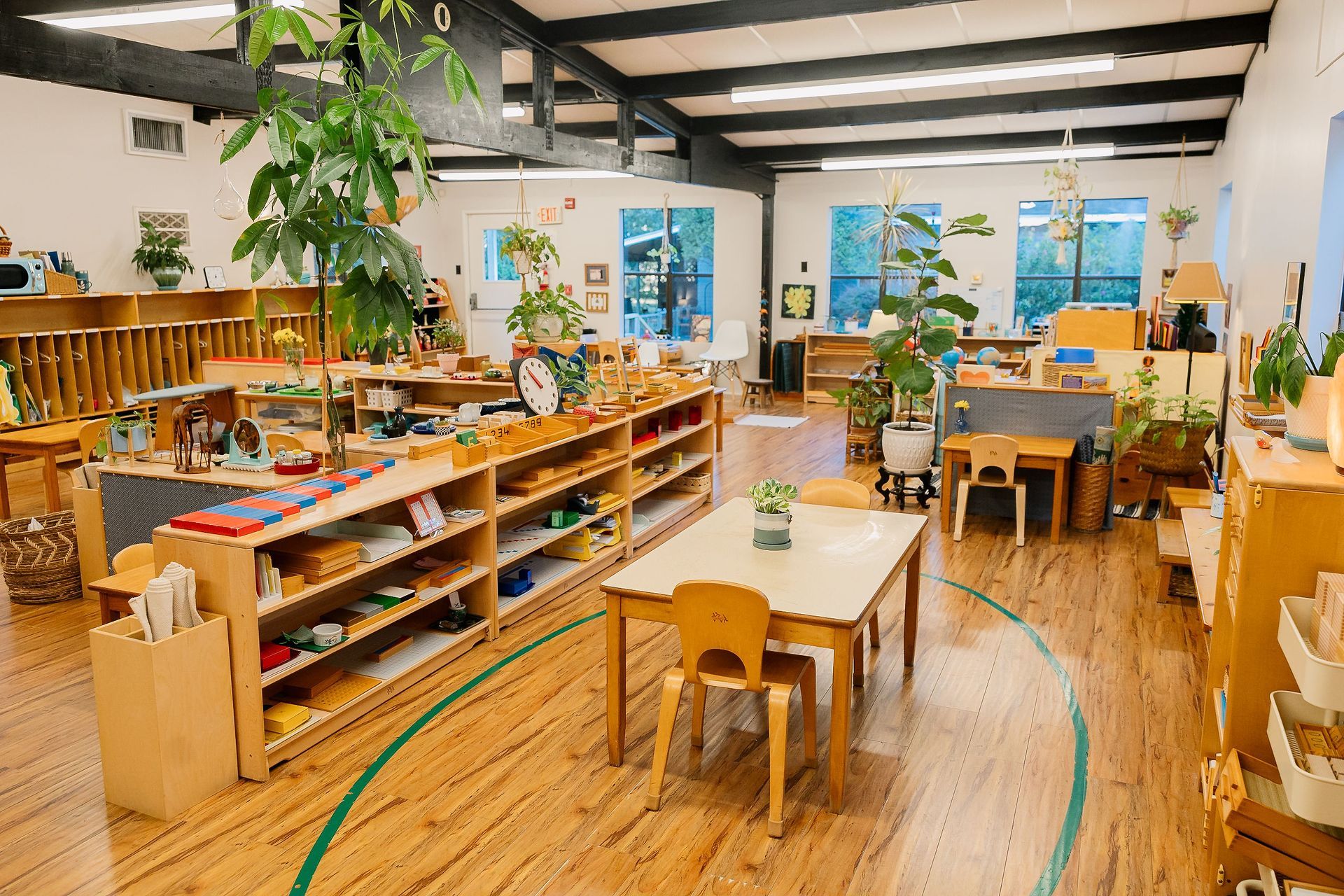
At Northwood Montessori, peace education is a daily practice. Through Grace and Courtesy lessons, purposeful work, and a carefully prepared environment, children learn how to interact with empathy, resolve small conflicts, and recognize the value of every individual.

As we honor Dr. King this month, we reaffirm our commitment to cultivating a school community grounded in respect, inclusion, and peace.


You might also like
By Dolores Vazquez January 14, 2026
Returning to school after winter break presents a meaningful opportunity to re-establish rhythm, routine, and independence for children. In Montessori education, transitions are approached with patience, respect for development, and thoughtful preparation of the environment. January offers a natural reset; allowing children to regain momentum and rebuild the concentration and confidence that come from purposeful work. Re-establishing Rhythm After the Holidays Young children thrive when their days follow predictable patterns. Breaks from school are joyful and family-centered, yet they often bring irregular schedules, travel, or disrupted sleep routines. As children return to the classroom in January, they may temporarily show signs of disorganization, lower concentration, or increased emotional sensitivity. From the Montessori perspective, this is expected. The prepared environment, with its order, consistency, and carefully sequenced materials, provides the grounding children need to return to purposeful activity. Very quickly, they remember the flow of the work cycle, the expectations of the community, and the independence that is built into every part of the day. How Montessori Classrooms Reinforce Independence in January Practical Life: The Foundation of Independence Practical Life materials are central during post-break transitions. Children are naturally drawn back to these exercises because they offer structure, clarity, and purposeful movement. Activities such as pouring, sweeping, food preparation, and care of the environment help children regain equilibrium while strengthening coordination and concentration. Grace and Courtesy Renewed January is an ideal time for revisiting Grace and Courtesy lessons, small demonstrations that teach children how to interact respectfully within their community. These lessons help reset expectations and reinforce peaceful problem-solving, kindness, and cooperation. Choice and Uninterrupted Work Cycles Children return to long, uninterrupted periods of concentration. The freedom to choose meaningful work allows them to re-engage at their own pace, restoring the satisfaction that comes from self-directed activity. Strategies Parents Can Use at Home Resetting the Home Environment Simple adjustments can empower children to become more independent after the holiday break. Consider: A consistent place for shoes and coats Low hooks and shelves for belongings A small snack station with accessible containers Child-sized tools for cleaning and organizing These changes mirror the Montessori prepared environment and help children feel capable and confident. Consistent Routines Re-establish a predictable morning and evening sequence: Prepare clothes the night before Use a visual routine chart if helpful Keep wake-up and bedtime consistent Children feel more secure when they know what to expect. Supporting Emotional Transitions Transitions take time. Montessori emphasizes calm, respectful communication. Offer empathy, pause before assisting, and encourage your child to try tasks on their own before stepping in. Simple Montessori-Aligned Activities to Build Independence Folding washcloths Watering plants Helping prepare breakfast or snacks Sorting laundry Organizing winter gear and outerwear These tasks develop coordination, responsibility, and confidence while fostering meaningful participation in family life. Supporting Independence at Northwood Montessori At Northwood Montessori, we see January as a fresh opportunity to strengthen independence, re-establish routines, and honor each child’s natural desire for purposeful work. Through the prepared environment, skilled guidance, and respect for each child’s developmental rhythm, we help children transition back into the school community with confidence and joy.
Montessori parent and child painting together, sharing connection, and quality time through play
November 24, 2025
Discover how just 10 minutes of “Special Time” can transform your child’s behavior and strengthen connection through love, presence, and play.
Montessori children playing together outside, learning empathy, cooperation, and friendship skills.
November 17, 2025
Help your child navigate friendships and social challenges with Montessori’s compassionate approach to empathy, problem-solving, and confidence.
More Posts