Why Montessori Classrooms Have a Three-Year Cycle: An AMI Perspective from Northwood Montessori School
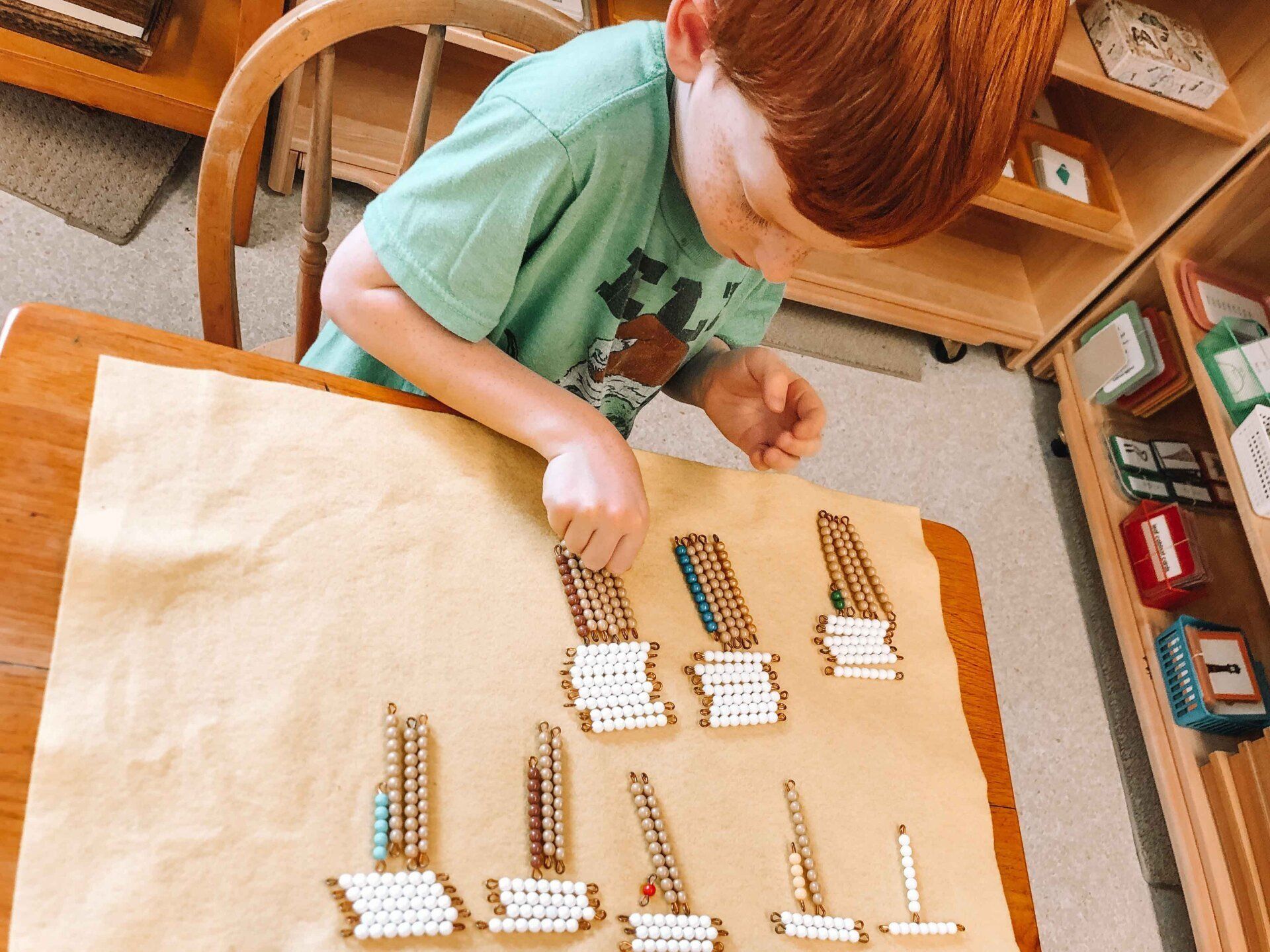
Families exploring Montessori education in Northwood often ask why Montessori classrooms are designed as three-year cycles and why AMI Montessori schools do not separate the kindergarten year. At Northwood Montessori School, this structure is intentional, developmentally precise, and essential to the child’s success; academically, socially, and emotionally.
The three-year cycle is not a scheduling convenience. It is a core principle of authentic Montessori pedagogy, based on decades of scientific observation by Dr. Maria Montessori.
What Is the Three-Year Cycle in a Montessori Classroom?
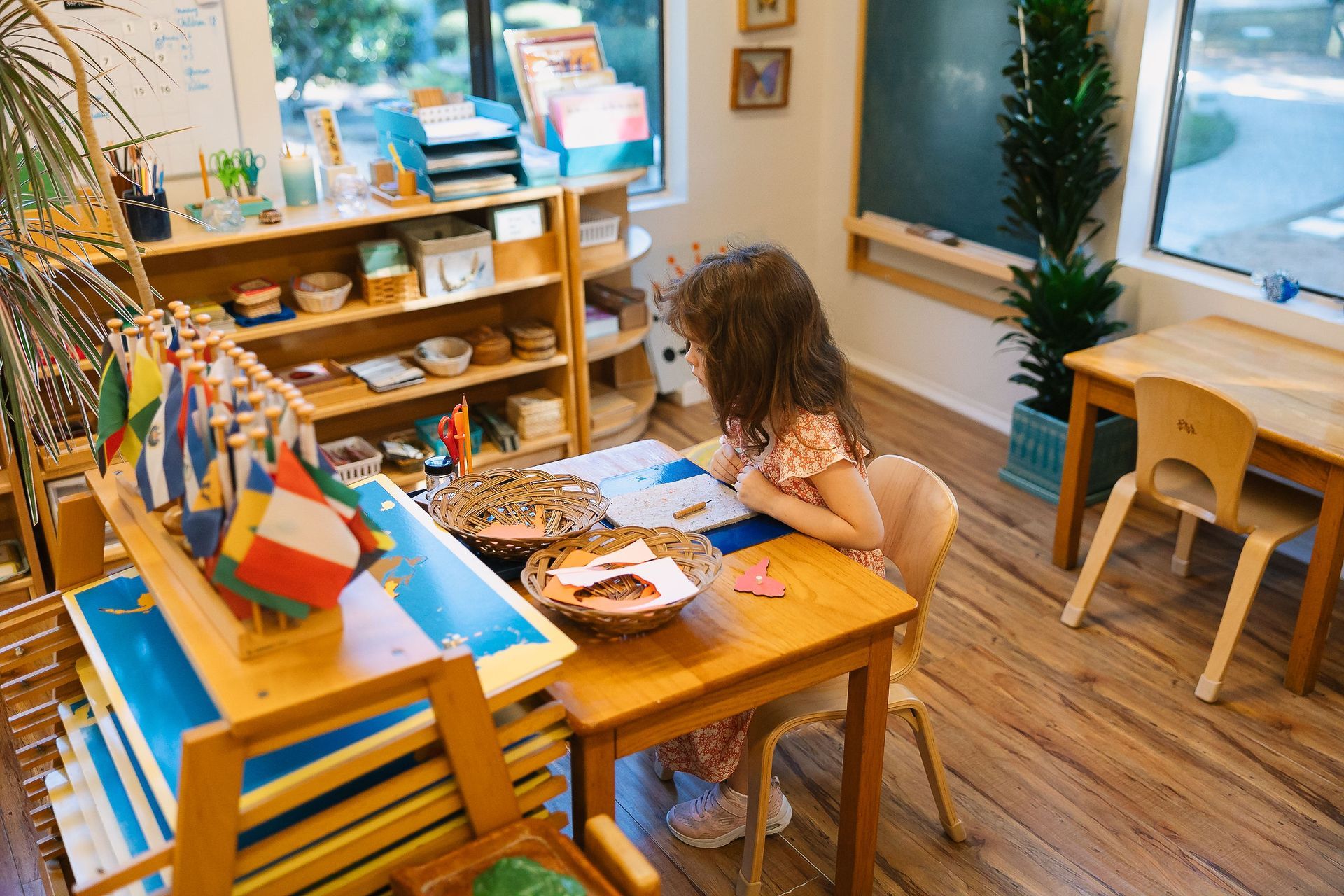
In an AMI Montessori Primary classroom, children typically enter around age three and remain in the same prepared environment until they are six years old. This spans:
- First year: Orientation and foundational skill-building
- Second year: Deepening concentration and mastery
- Third year ( “kindergarten”): Leadership, integration, and application
Importantly, in authentic AMI Montessori schools, the kindergarten year is not a separate program. It is the culmination of the child’s full primary cycle within the same classroom, community, and learning environment.
Some children, depending on their birthdate and local cut-off dates, may remain in the Primary environment slightly longer than three calendar years. This flexibility respects the child’s developmental readiness rather than an arbitrary age requirement.
Why Montessori Uses a Three-Year Cycle
1. Development Follows a Natural Rhythm
Montessori education aligns with the planes of development, particularly the first plane (birth to age six). Children do not develop in one-year increments. Skills such as concentration, independence, language, and abstract thinking unfold gradually and sequentially.
The three-year cycle allows:
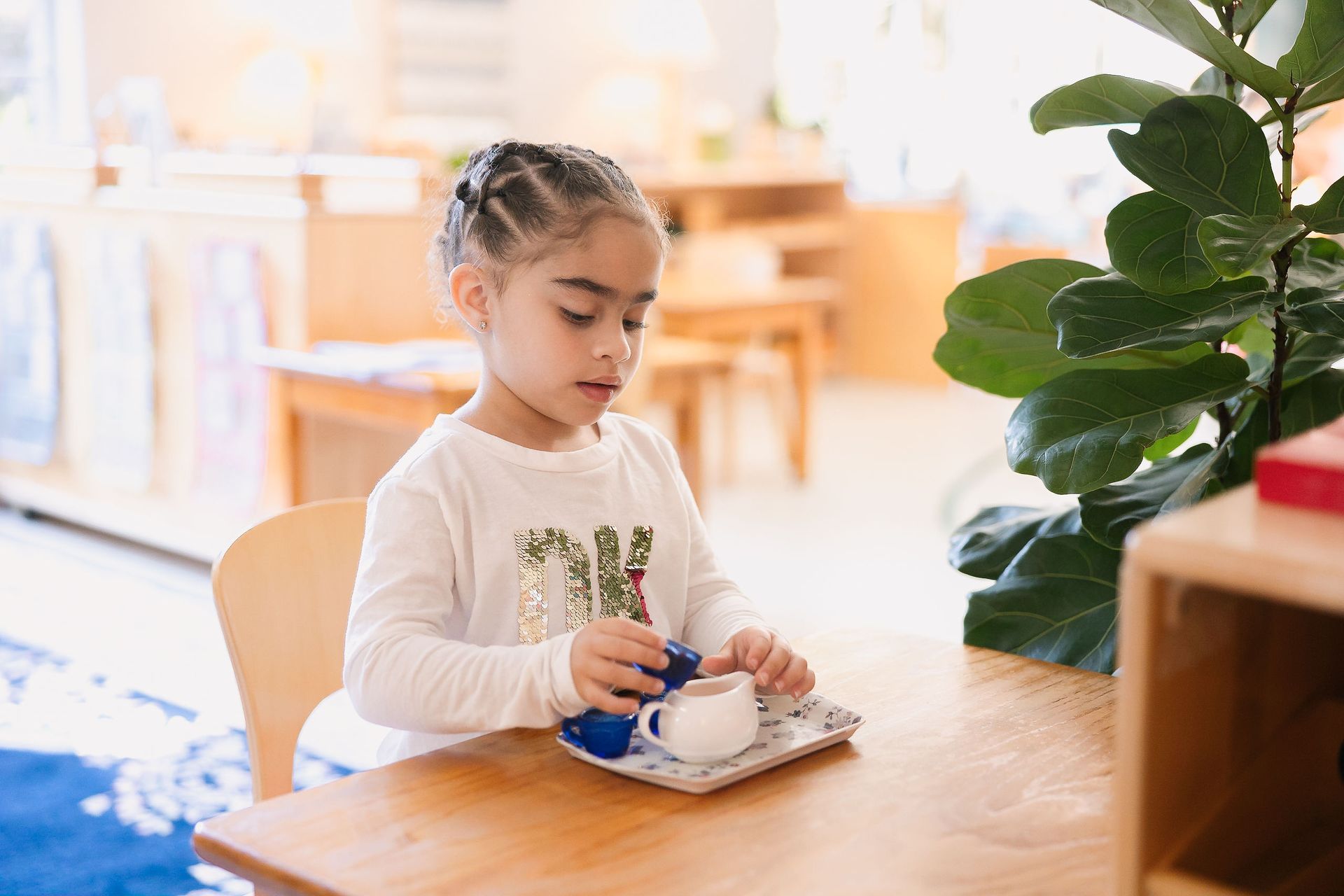
- Time for repetition and mastery
- Learning without pressure or comparison
- Development at the child’s natural pace
This is why families searching for an AMI Montessori school near Northwood often notice the calm, confident focus of older children in the classroom.
2. The Environment Works Because of Mixed Ages
A hallmark of Montessori classrooms is the mixed-age community. Younger children learn by observing older peers, while older children consolidate their learning by teaching and mentoring.
By the third year, children naturally step into leadership roles:
- Modeling lessons
- Assisting younger classmates
- Demonstrating grace, courtesy, and responsibility
This social structure cannot exist in a one-year or two-year program.
3. True Academic Integration Happens in the Final Year
The final year of the Primary cycle is when everything comes together.
Children apply years of hands-on work to:
- Advanced language and reading comprehension
- Mathematical reasoning and abstraction
- Writing, research, and problem-solving
- Sustained concentration and self-direction
This is not “more work” or “harder work”; it is integrated work, built on a solid foundation laid in the earlier years.
Why AMI Montessori Schools Do Not Separate Kindergarten
In traditional education models, kindergarten is often isolated as a separate grade. From an AMI Montessori perspective, this disrupts the child’s developmental flow.
Separating the kindergarten year:
- Breaks the continuity of learning
- Removes the child from their leadership role
- Interrupts peer relationships and community stability
At Northwood Montessori School, the kindergarten year is honored as the final, most powerful stage of the Primary cycle, not a standalone program.
What Happens When a Child Leaves Before Completing the Cycle?
When a child leaves a Montessori Primary environment before completing the full three-year cycle, they may miss critical developmental experiences, including:
- Leadership and mentoring opportunities
- Full academic integration of Montessori materials
- Confidence built through mastery and repetition
- Social maturity developed through mixed-age collaboration
- Executive functioning skills such as planning, persistence, and self-regulation
While children are adaptable, Montessori research and observation consistently show that the greatest benefits of Montessori education emerge in the final year of the cycle.
The Benefits of Completing the Montessori Primary Cycle
Children who complete the full Primary cycle often demonstrate:
- Strong intrinsic motivation
- Advanced problem-solving skills
- Emotional resilience and independence
- Confidence in academic and social settings
- A genuine love of learning
These outcomes are not accidental, they are the result of respecting the full developmental arc of early childhood.
The Northwood Montessori School Commitment
At Northwood Montessori School, we support families by:
- Educating parents about the importance of the full cycle
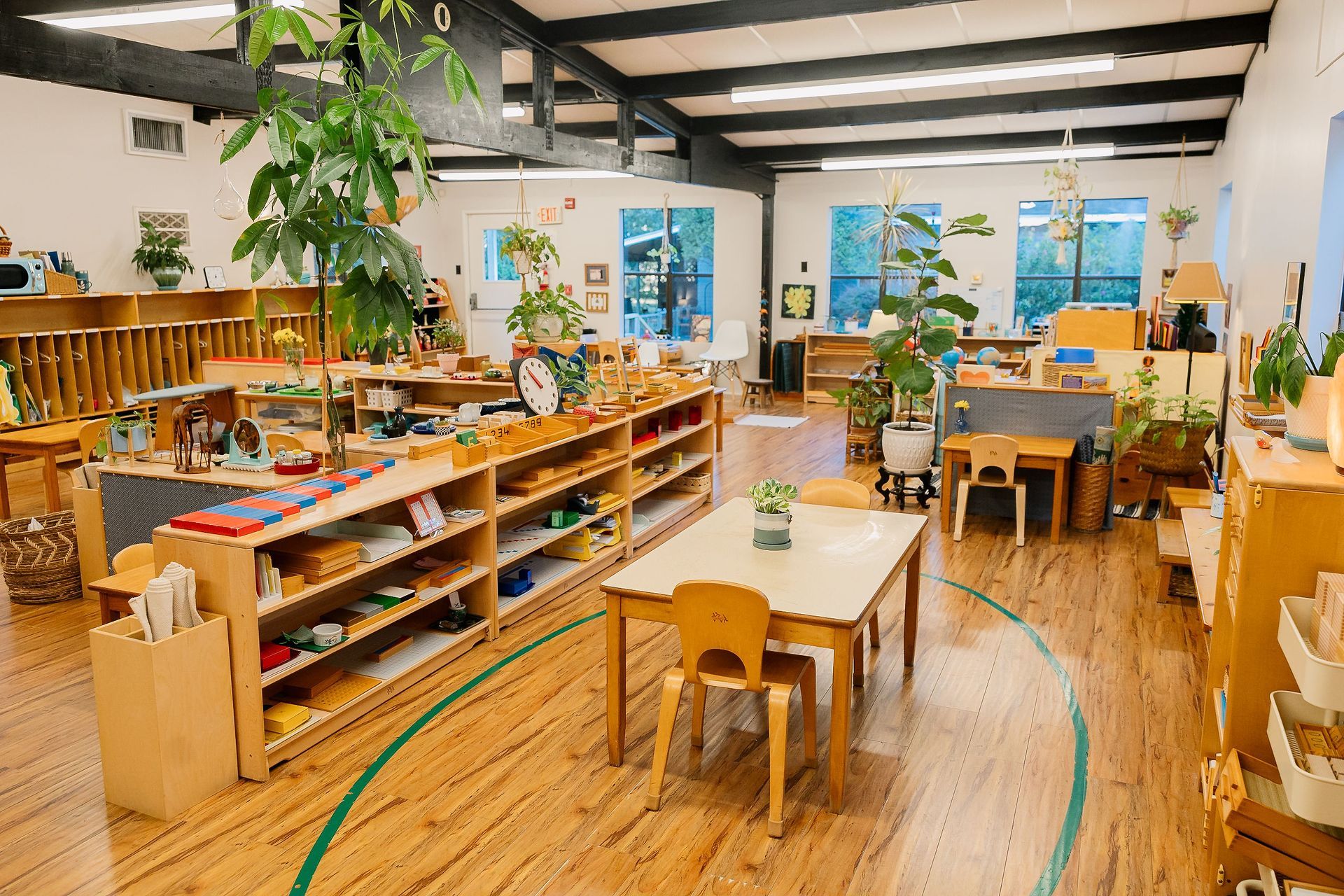
- Providing continuity in the prepared environment
- Respecting developmental readiness over age-based expectations
- Aligning our programs with AMI Montessori principles
Families seeking a Montessori preschool or kindergarten alternative in Northwood often discover that the Montessori Primary cycle offers something far deeper: a complete foundation for lifelong learning.
Choosing Montessori Is a Long-Term Investment
Montessori education is most effective when experienced as intended, not in fragments, but as a complete developmental journey. The three-year cycle is essential to that journey.
At Northwood Montessori School, we are proud to guide children through the full Primary cycle, honoring the child, the pedagogy, and the science behind Montessori education.
You might also like