This is a subtitle for your new post
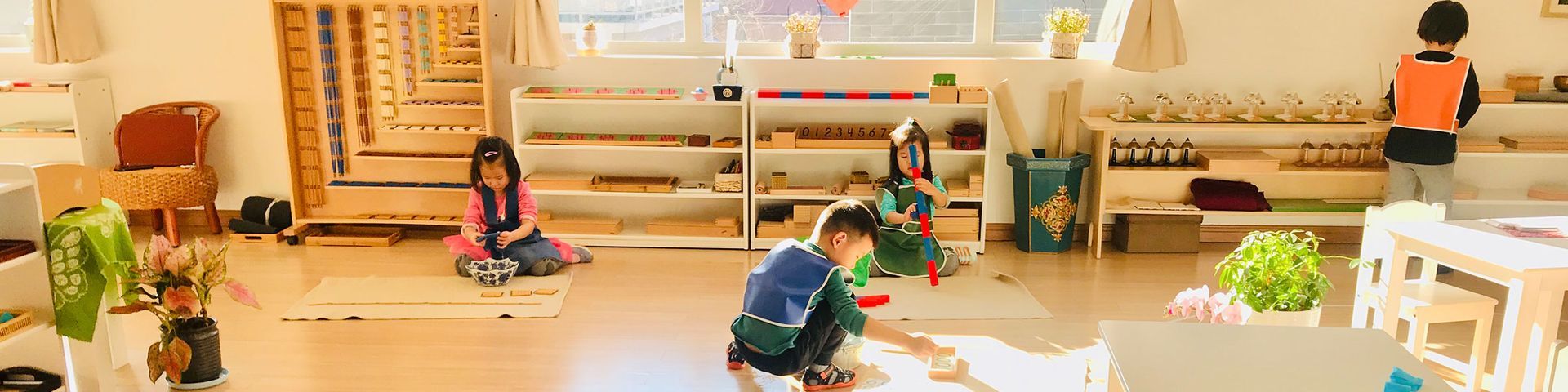
One of the most defining characteristics of a Montessori education is the mixed-age classroom. At Northwood Montessori, both our Toddler Community and Primary environments are intentionally designed to include children across a three-year age span.
This structure is not simply a logistical choice, it is rooted in the developmental insights of Maria Montessori, who observed that children learn most naturally in communities that mirror real life.
What Is a Mixed-Age Classroom in Montessori?
In Montessori education, children are grouped according to planes of development, not strictly by age:
- Toddler Community: approximately 18 months to 3 years
- Primary (Children’s House): approximately 3 to 6 years
Dr. Montessori recognized that children pass through sensitive periods, windows of time when they are especially receptive to certain types of learning. Mixed-age groupings allow each child to engage with the environment according to their individual developmental needs, rather than a fixed curriculum.
Why Mixed-Age Classrooms Matter
Young children have what Dr. Montessori called the absorbent mind, a powerful ability to learn simply by observing their surroundings.
In a mixed-age classroom:
- Younger children watch older peers with fascination
- They internalize movements, language, and social behaviors
- They attempt new skills when they feel ready
This process leads to natural, self-motivated learning, rather than instruction that is imposed from the outside.
Older children benefit just as deeply. When a child demonstrates a lesson or helps a younger peer:
- Their understanding becomes more refined
- Their confidence grows from real competence
- They develop patience and empathy
Dr. Montessori observed that teaching another child is one of the most powerful ways to solidify knowledge.
In traditional same-age classrooms, children are often compared to one another. In Montessori environments:
- Each child progresses at their own pace
- There is no pressure to match a group standard
- Repetition is encouraged until mastery is achieved
Because abilities vary naturally within the group, children experience learning as a personal journey, not a competition.
Children typically remain in the same Montessori environment for a full cycle of years. This continuity offers:
- Consistent relationships with guides and peers
- A predictable and orderly environment
- A deep sense of belonging
Dr. Montessori emphasized that a secure child is a child who is free to explore, concentrate, and develop independence.
The mixed-age classroom functions as a small, real community:
- Younger children receive support naturally
- Older children practice leadership with care and responsibility
- Social skills develop through daily, meaningful interaction
Rather than competition, children experience collaboration and mutual respect, essential foundations for both learning and life.
Mixed-Age Learning in the Toddler Community
In the Toddler environment, even small differences in age have a meaningful impact.
Younger toddlers are surrounded by slightly older children who:
- Model language and communication
- Demonstrate purposeful movement
- Show increasing independence in daily routines
Through observation, younger children gain the confidence to try these skills themselves. At the same time, older toddlers refine their abilities by repeating and modeling what they know.
Mixed-Age Learning in the Primary Classroom (Ages 3–6)
The Primary classroom is a complete expression of the mixed-age model. Over the three-year cycle:
- The youngest children observe and absorb
- The middle group practices and gains confidence
- The oldest children lead, synthesize, and deepen their understanding
By their final year, children often demonstrate:
- Strong concentration
- Independence in work
- Confidence in social interactions
- A solid academic foundation built through hands-on experience
This progression happens naturally because the environment supports continuous growth over time, rather than yearly resets.
The Montessori Difference
Mixed-age classrooms reflect a fundamental belief: children are not meant to learn in isolation or in uniform groups. They thrive in environments that are dynamic, social, and responsive to their development.
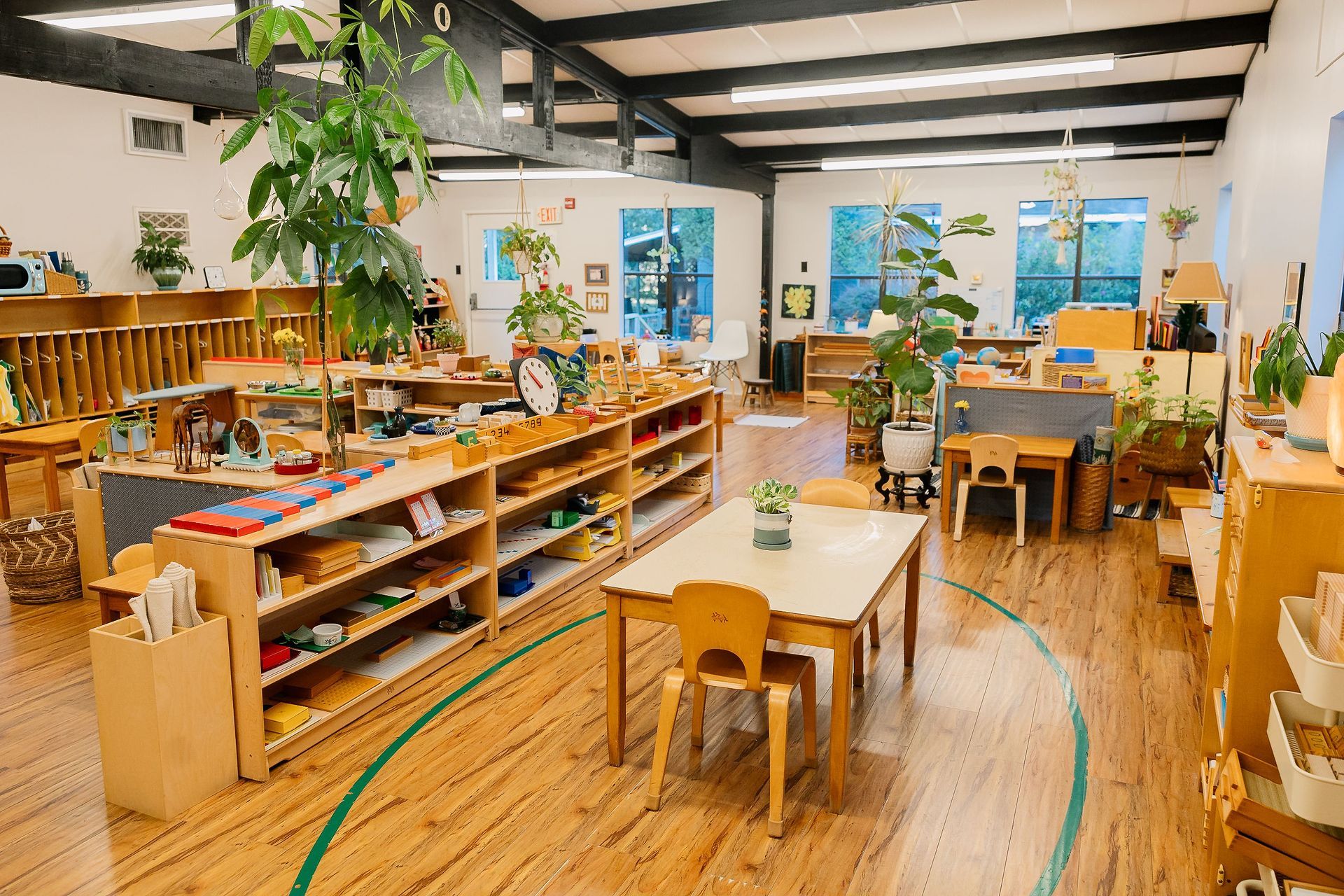
At Northwood Montessori, our classrooms are carefully prepared to support this vision, allowing each child to learn not only from materials, but from one another.
Final Thoughts
When children are part of a mixed-age community, they are doing far more than academic work. They are learning how to:
- Observe and adapt
- Lead and support others
- Develop independence with confidence
- Engage meaningfully within a community
These are not just school skills, they are life skills. And they begin with the simple, powerful structure of a mixed-age classroom.
You might also like