Respectful Parenting and Setting Kind & Firm Limits at Home

As summer begins and routines shift, many parents notice changes in their child’s behavior. Longer days, increased free time, disrupted schedules, travel, overstimulation, and more time at home can often lead to:
- more tantrums
- increased defiance
- emotional outbursts
- sibling conflicts
- difficulty with transitions
- testing limits
- increased dependence on screens
- bedtime struggles
This is especially common for toddlers and primary-aged children.
During the summer months, parents often wonder:
"How do I maintain boundaries while still enjoying a relaxed summer?"
"How can I discipline respectfully without constant punishment or power struggles?"
At Northwood Montessori, we understand discipline not as something adults do to children, but as something children gradually develop within themselves through guidance, consistency, connection, and respectful limits.
Maria Montessori believed that true discipline comes from within. The goal is not obedience through fear or control, but the development of self-regulation, responsibility, independence, and inner order.
What Young Children Really Need During Summer
Although summer often feels less structured, young children still deeply need:
- consistency
- predictable routines
- clear boundaries
- movement
- purposeful activity
- connection
- rest
- opportunities for independence
Children feel safest when loving adults confidently lead with calmness and clarity.
When limits disappear completely during summer, children often become dysregulated rather than relaxed. Increased whining, meltdowns, aggression, or resistance are frequent signs that the child is overwhelmed, overstimulated, tired, disconnected, or lacking clear structure.
Freedom without limits does not create security.
Freedom within clear and respectful boundaries does.
Discipline vs. Punishment
In Montessori and respectful parenting approaches, discipline is not based on punishment, shame, bribery, or rewards.
Young children are still developing:
- impulse control
- emotional regulation
- frustration tolerance
- executive functioning
- problem-solving skills
This means behavior is communication.
A child having a tantrum is not giving you a hard time.
The child is having a hard time.
This does not mean permissiveness or allowing harmful behavior. Children need limits. However, limits can be both kind and firm simultaneously.
For example:
- “I won’t let you hit.”
- “You’re upset. I will help you stay safe.”
- “You may be angry, but I cannot let you throw toys.”
- “It’s time to turn off the screen now.”
- “I hear that you’re disappointed.”
The adult remains calm, connected, and confident while holding the boundary.
Why Summer Can Increase Challenging Behaviors
During the school year, children often benefit from predictable rhythms and purposeful activity throughout the day. In summer, changes in routine can affect behavior significantly.
Common contributors include:
- inconsistent sleep schedules
- excessive screen time
- overstimulation
- too many transitions
- lack of purposeful activity
- heat and fatigue
- less physical movement
- too much passive entertainment
- inconsistent expectations
Young children thrive when the environment supports order and independence.
Often, improving behavior begins not with punishment, but with examining the child’s environment and daily rhythm.
Practical Montessori Discipline Tips for Summer
Maintain Predictable Rhythms
Children do not necessarily need rigid schedules, but they benefit tremendously from predictable daily patterns.
Simple summer rhythms might include:
- consistent wake times
- outdoor time each morning
- regular meals and snacks
- quiet rest time
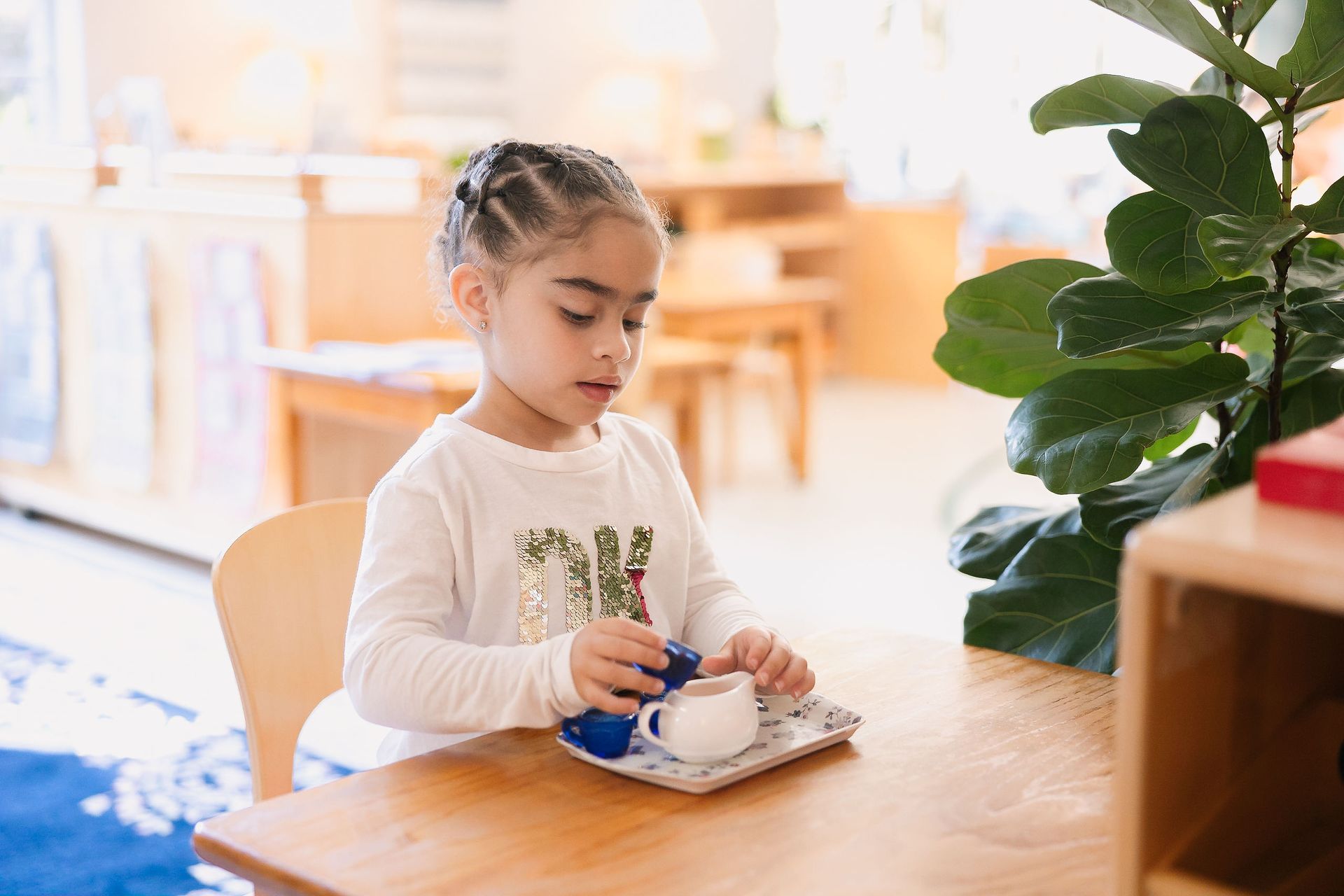
- meaningful household participation
- consistent bedtime routines
Predictability helps children feel emotionally secure.
Involve Children in Real Life
One of the best ways to reduce difficult behavior is to involve children meaningfully in daily life.
Young children want to contribute.
Toddlers and primary children can:
- wash fruit
- water plants
- fold towels
- help prepare snacks
- sweep floors
- organize shoes
- pack for outings
- prepare picnic baskets
- wash outdoor toys
- help care for pets
Purposeful activity supports concentration, independence, and emotional regulation.
Children who feel capable and included are often more cooperative.
Set Clear, Calm Limits
Children need adults who are confident and consistent.
Rather than repeated warnings or negotiations, try:
- speaking calmly and directly
- following through consistently
- offering limited choices (keep it down to two)
- keeping boundaries simple and respectful
For example:
- “You may walk to the car or I can help you.”
- “The water stays in the pool.”
- “We use gentle hands.”
- “Snack is at the table.”
Avoid lengthy lectures or emotional reactions. Young children respond best to calm clarity.
Limit Screens Thoughtfully
Excessive screen time during summer can contribute to irritability, difficulty concentrating, emotional dysregulation, and increased behavioral challenges.
For younger children especially, screens are not developmentally beneficial in the way real-life experiences are. Toddlers and primary-aged children learn through movement, hands-on exploration, conversation, sensory experiences, and meaningful interaction with the environment. Screens cannot replace the neurological and emotional benefits of real human connection and purposeful activity.
Maria Montessori emphasized real experiences, movement, and hands-on engagement because these support healthy brain development during the early years. Young children are actively constructing themselves through interaction with the world around them — through touch, movement, language, observation, and relationships.
Whenever possible, prioritize:
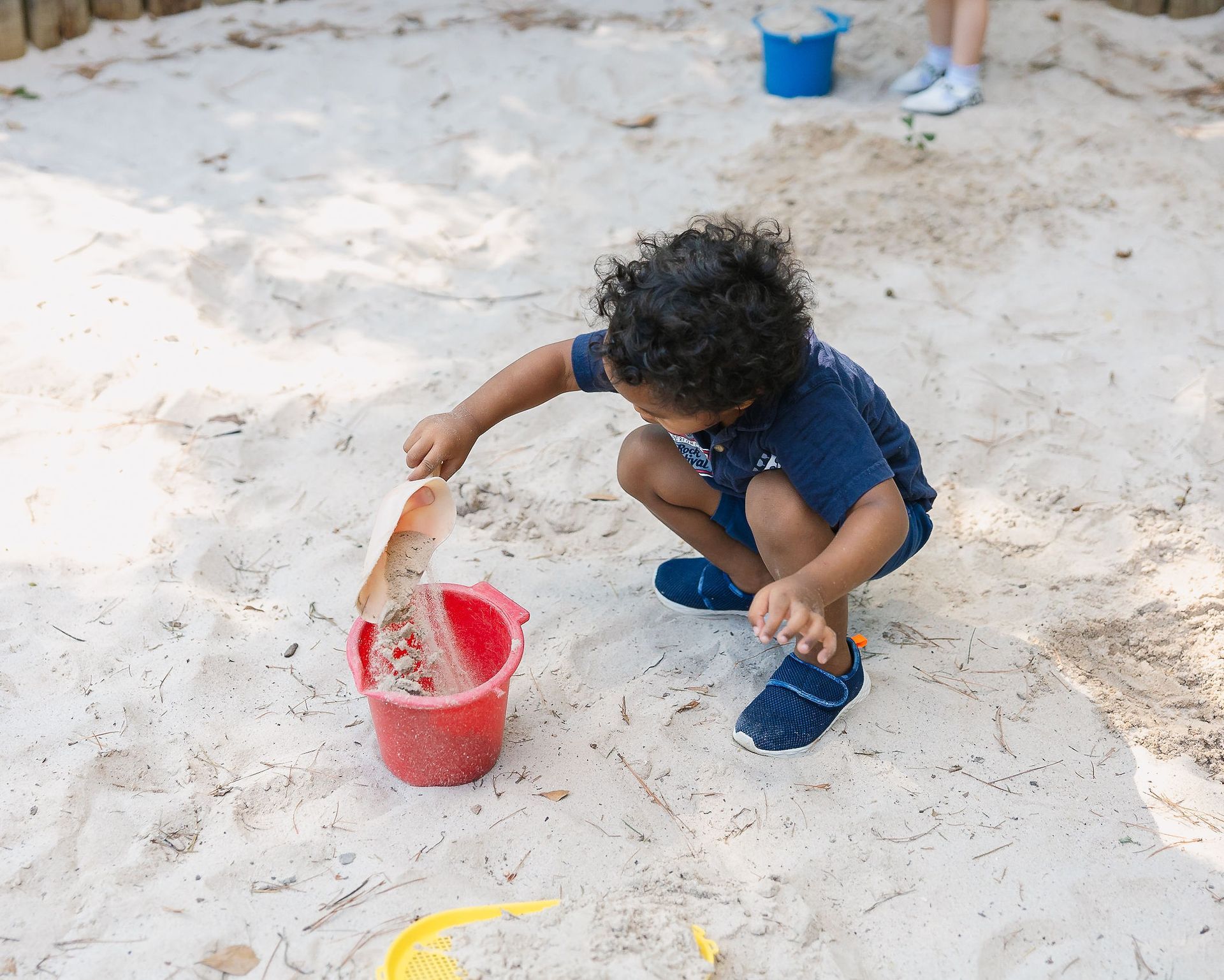
- outdoor play
- practical life activities
- reading together
- sensory experiences
- creative open-ended play
- family connection
Children often behave better when their nervous systems are less overstimulated and more connected to real experiences and relationships.
Allow Space for Big Feelings
Respectful parenting does not mean preventing emotions.
Children will become frustrated, angry, disappointed, tired, or overwhelmed. These emotions are normal.
Instead of immediately distracting, fixing, or punishing, try remaining present and calm:
- “You really wanted more time.”
- “That was disappointing.”
- “I’m here.”
- “You’re having a hard time.”
Children learn emotional regulation through co-regulation with calm adults.
Focus on Connection Before Correction
Behavior improves most effectively through connection, not control.
Simple moments of connection throughout the day matter deeply:
- reading together
- sitting outside quietly
- preparing meals together
- cuddling before bed
- taking walks
- listening without rushing
Children who feel connected often need less attention through negative behavior.
Preparing the Environment for Success
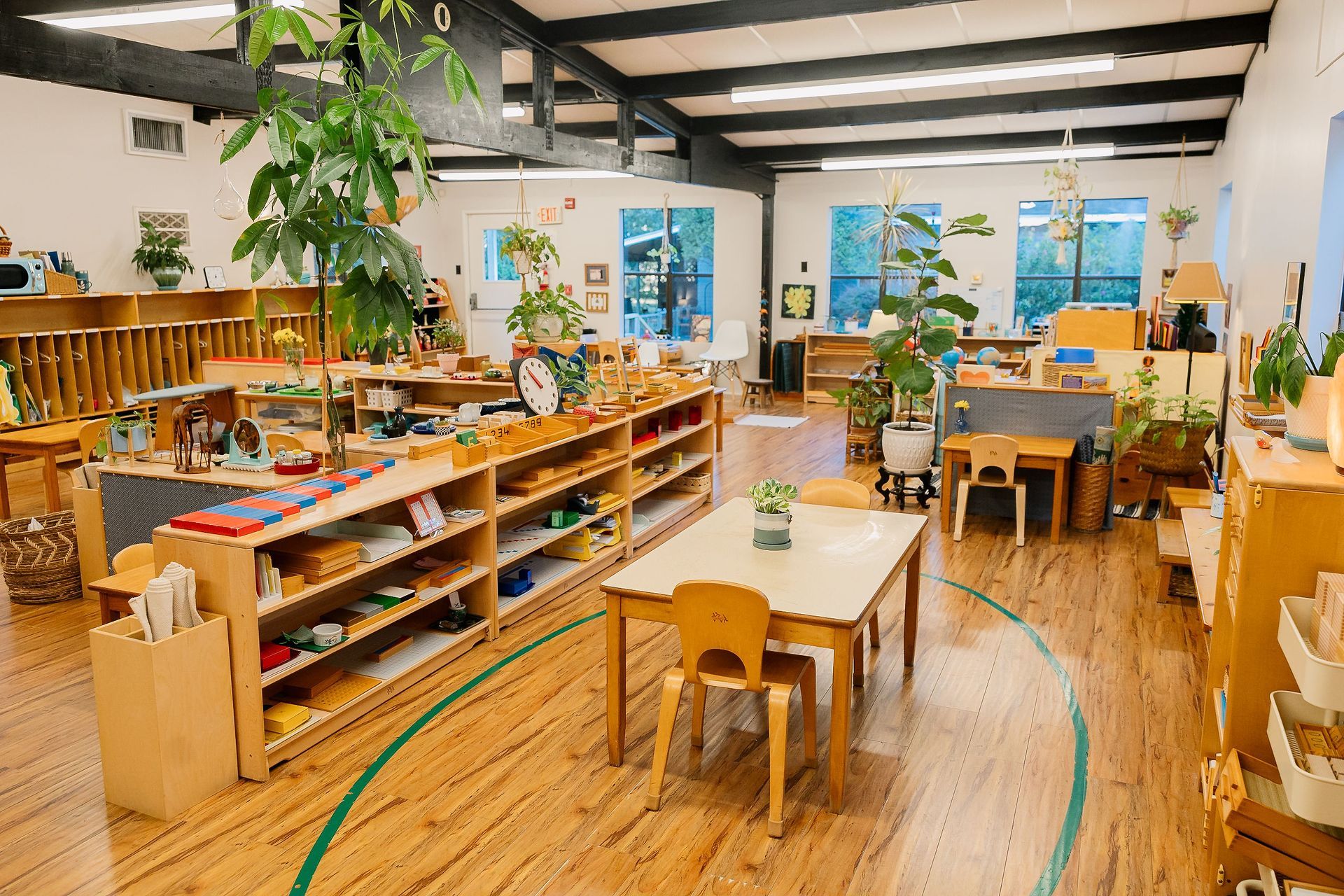
Montessori education emphasizes preparing the environment to support independence and cooperation.
Helpful summer environment ideas include:
- accessible snacks and water
- child-sized cleaning tools
- organized toy shelves
- hooks for towels and swimsuits
- quiet reading spaces
- limited, rotated materials
- easy access to outdoor play items
A prepared environment reduces frustration and supports self-confidence.
The Goal Is Not Perfect Behavior
At Northwood Montessori, we understand that discipline is a long-term process of guiding human development. Children are learning how to exist in the world, regulate emotions, communicate needs, and function within the community.
There will still be meltdowns. There will still be difficult days.
The goal is not perfection.
The goal is relationship, growth, and the gradual development of inner discipline.
Summer offers a beautiful opportunity to slow down, reconnect, and approach discipline with greater intentionality, empathy, and respect.
When children are guided with warmth, consistency, meaningful responsibility, and clear limits, they begin developing the internal tools they will carry with them far beyond childhood
You might also like