A summer journey of discovery as children explore continents, cultures, traditions, and the interconnectedness of our world.
From Puzzle Maps to Global Understanding: How Montessori Children Explore the World Through Hands-On Learning and Cultural Discovery
Summer often brings family vacations, road trips, visits with relatives, and opportunities to explore new places. Whether your child is traveling across the world or simply visiting a neighboring town, every new experience expands their understanding of people, places, language, food, music, traditions, and ways of life.
At Northwood Montessori, geography is not treated as a memorization subject reserved for older students. In an authentic AMI Montessori environment, geography and culture are introduced in the Primary classroom as a living, interconnected study of the world beginning in early childhood.
For many families, summer travel becomes a beautiful extension of what children are already exploring in the Montessori classroom.
Geography Begins in Early Childhood
In a traditional school setting, geography is often introduced much later through textbooks, maps, state capitals, or isolated social studies units. World geography may only be briefly covered or offered later as an elective course. Children are typically expected to memorize facts before they have developed a meaningful connection to the world itself.
The Montessori approach is fundamentally different.
Dr. Maria Montessori recognized that young children possess a deep curiosity about the world around them. In the Montessori Primary environment, children ages three to six are given concrete, hands-on experiences that help them build an understanding of the earth and the diverse cultures that inhabit it.
Rather than learning geography as abstract information, children encounter it sensorially and through purposeful exploration.
The Montessori Geography Curriculum
In an authentic AMI Montessori classroom, geography materials are carefully sequenced to move from concrete experiences to greater abstraction. Children begin by understanding the world through touch, movement, exploration, and classification.
Some of the materials children may work with include:
The Globe
Children are introduced to the earth through tactile globes. One globe may show land and water through texture, allowing even the youngest child to feel the difference between continents and oceans.
Another globe introduces the continents by color, helping children begin to recognize the world as a whole.
Puzzle Maps
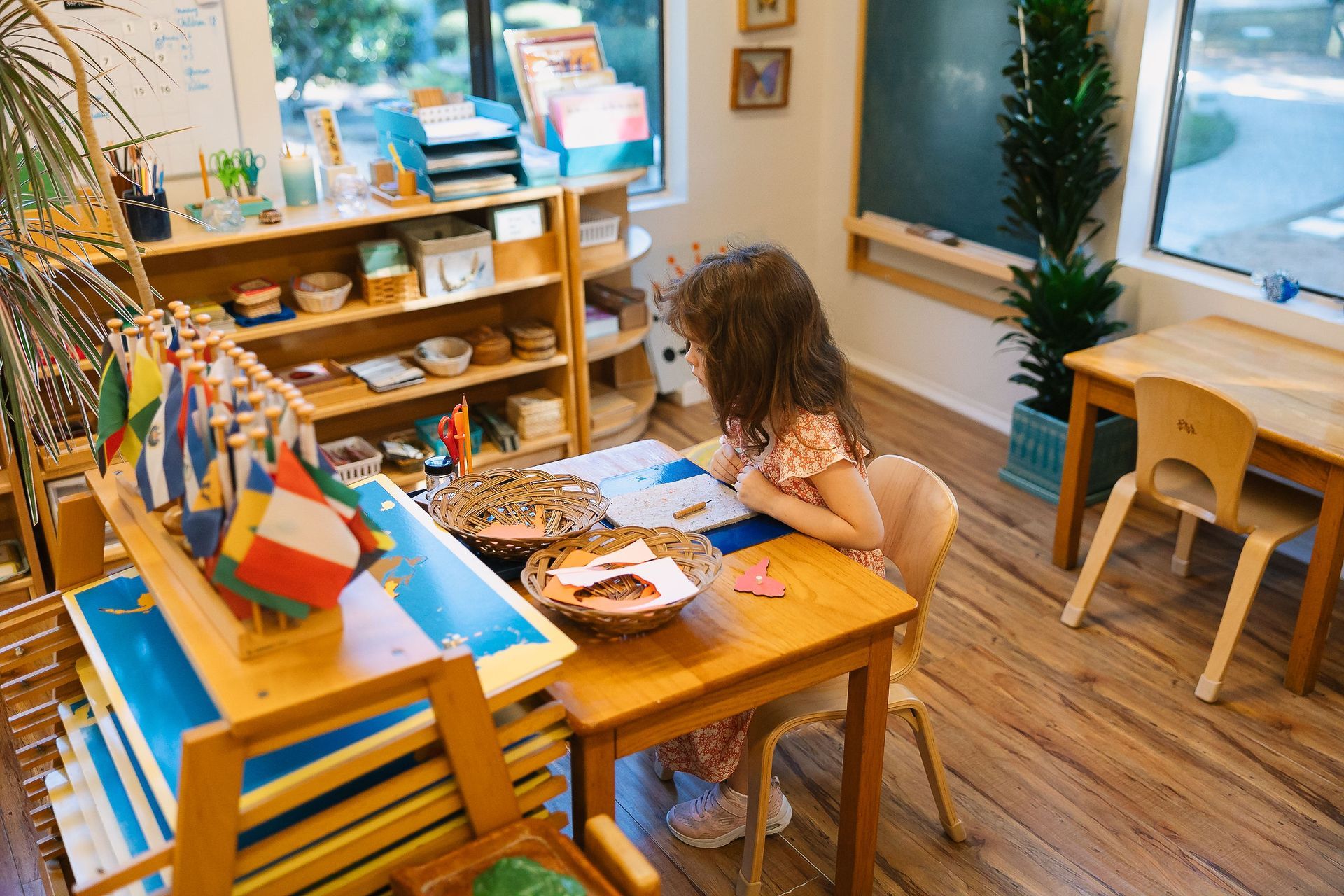
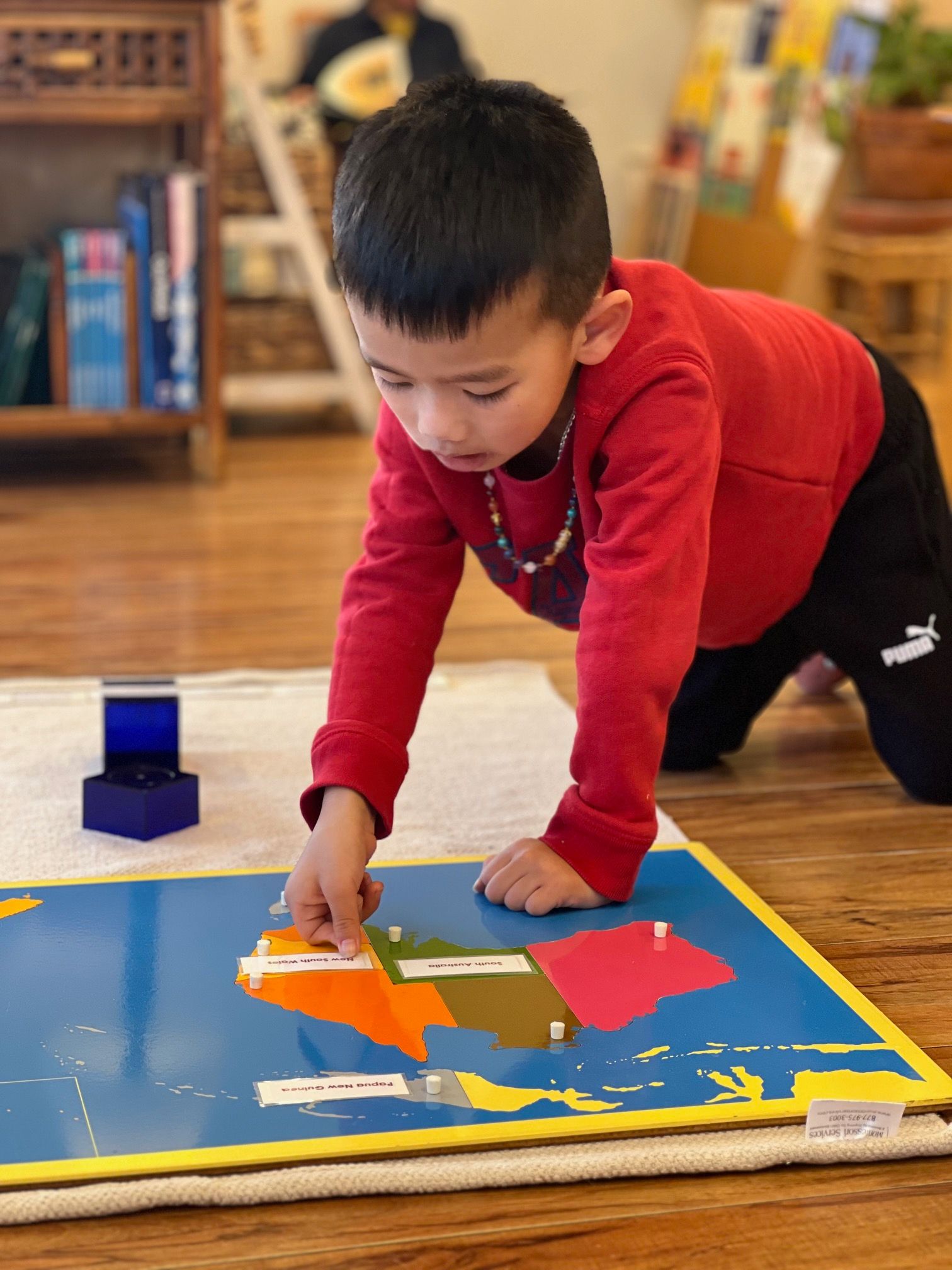
The Montessori puzzle maps are iconic materials in the Primary classroom. Children remove and replace continent pieces, trace them, label them, and gradually internalize the shape and location of countries and continents through repetition and movement.
This work develops spatial awareness, concentration, coordination, and a genuine familiarity with the world map long before traditional geography instruction typically begins.
Culture as a Living Experience
In Montessori, culture is not presented as a collection of stereotypes or holidays. Instead, children are introduced to the beauty and diversity of humanity with respect and wonder.
Children may explore:
- Traditional homes around the world
- Foods from different cultures
- Music and art
- Clothing
- Animals and habitats
- Landforms and climates
- Flags and languages
- Daily life in different countries
These experiences cultivate global awareness and empathy from a very young age.
The goal is not simply academic knowledge. The deeper purpose is helping the child understand:
“We are all part of one human family sharing one planet.”
Why Geography Matters So Much in Montessori Education
Maria Montessori believed that education should help children develop a sense of connection to the world and responsibility toward others. Geography lays the groundwork for this understanding.
When children study the continents, people, animals, and cultures of the world, they begin to see relationships and interdependence. They develop respect for differences and appreciation for the richness of human life.
This work also supports:
- Language development
- Vocabulary enrichment
- Classification skills
- Scientific observation
- Cultural awareness
- Peace education
- Curiosity and independence
In Montessori education, geography is not an isolated subject. It connects to every area of the classroom.
Bringing Montessori Geography Into Your Summer
Summer travel offers countless opportunities to reinforce what children experience in the Montessori environment.
Even simple experiences can become meaningful connections to geography and culture:
- Looking at maps together before a trip
- Talking about the climate and landscape of where you are visiting
- Trying foods from different cultures
- Listening to local music
- Learning greetings in another language
- Exploring local animals, plants, or landmarks
- Discussing customs and traditions respectfully
You do not need elaborate lessons. Young children learn best through real experiences, conversation, observation, and participation.
If you are staying close to home this summer, you can still nurture global awareness by visiting museums, reading books about different countries, cooking cultural recipes together, or exploring nature in your own community.
A Prepared Environment for Global Citizenship
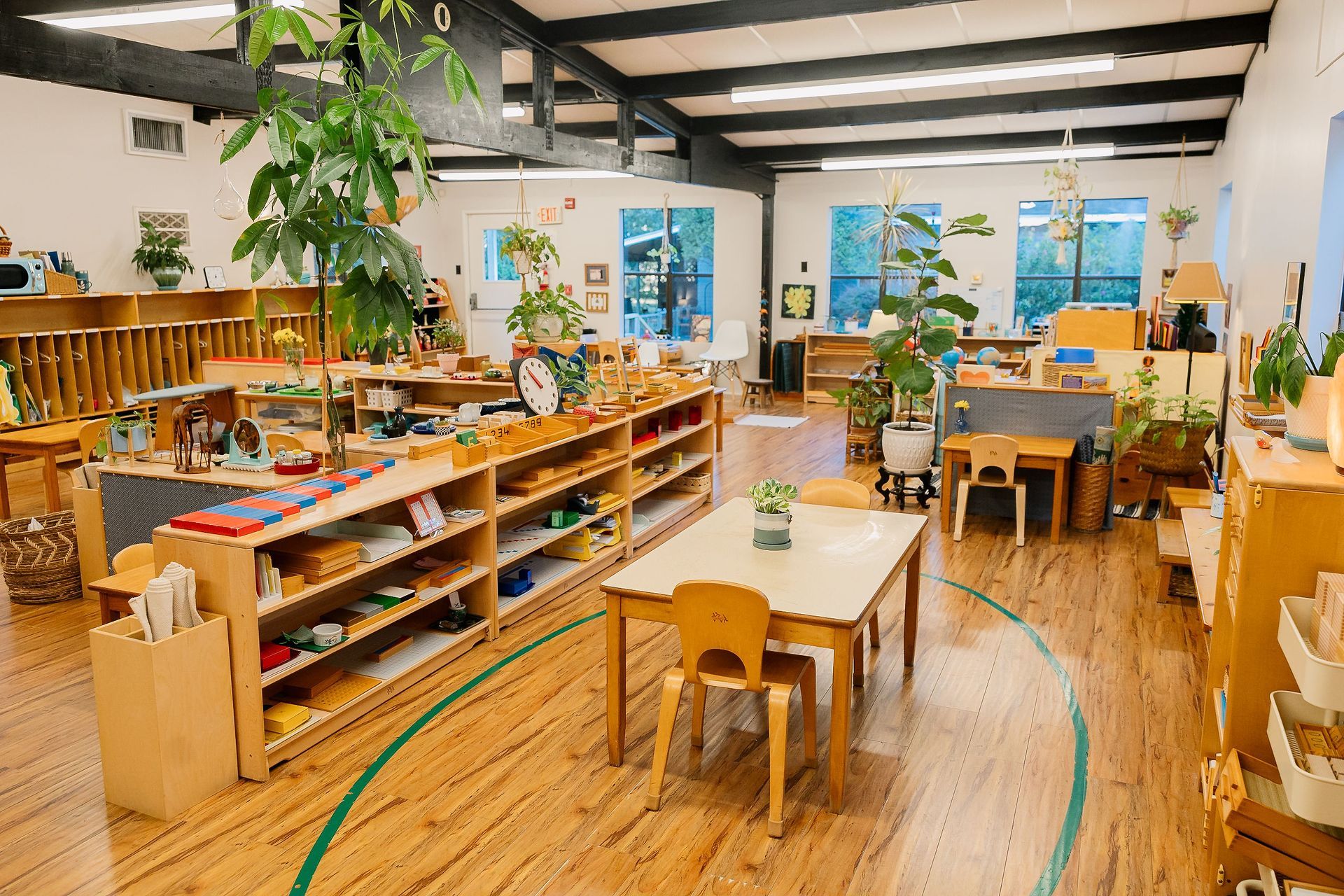
The Montessori classroom is intentionally designed to help children see themselves as part of a larger world. Geography materials are beautiful, accessible, and inviting because they are meant to spark curiosity naturally.
Children are not pressured to memorize facts for tests. Instead, they develop a genuine relationship with the world around them.
By the time many Montessori children enter elementary education, they already possess a remarkable familiarity with continents, countries, landforms, flags, animals, and cultural diversity; not because they were forced to study them academically, but because they were allowed to explore them joyfully and concretely during the sensitive period for learning.
This Summer, See the World Through Your Child’s Eyes
As you travel, explore, and spend time together this summer, you may notice your child recognizing a flag, identifying a continent, asking about another language, or making connections between people and places.
These moments are not accidental. They are the result of carefully prepared experiences in the Montessori environment that nurture curiosity, respect, and wonder about the world.
At Northwood Montessori, geography is more than a subject. It is an invitation for the child to discover their place within the greater human story.
You might also like