How Independence, Responsibility, and Respect Shape the Montessori Child
As we approach the week of Juneteenth; a time that reminds us of the value and meaning of freedom, it is a beautiful opportunity to reflect on how freedom shapes not only society, but also the life of a child.
At Northwood Montessori, freedom is one of the foundational principles of authentic Montessori education. In the Montessori Primary environment, children are not controlled through constant rewards, punishments, or external pressure. Instead, they are guided toward independence, self-discipline, responsibility, and respect for others.
For young children, freedom is not simply “doing whatever you want.” True freedom is something much deeper.
What Does Freedom Mean in Montessori?
In an authentic AMI Montessori environment, freedom always exists within clear and respectful limits.
Children are free to:
- Choose purposeful work
- Move carefully around the classroom
- Repeat activities as needed
- Develop at their own pace
- Care for themselves and their environment
- Express curiosity and concentration naturally
At the same time, children learn that their freedom cannot interfere with the safety, work, or well-being of others.
This balance is essential.
Maria Montessori understood that children thrive when they are given meaningful independence inside a carefully prepared environment. Rather than relying on adults to constantly direct every action, children gradually develop inner discipline and self-control.
Freedom Helps Build Confidence
One of the greatest gifts we can give young children is the opportunity to do things for themselves.
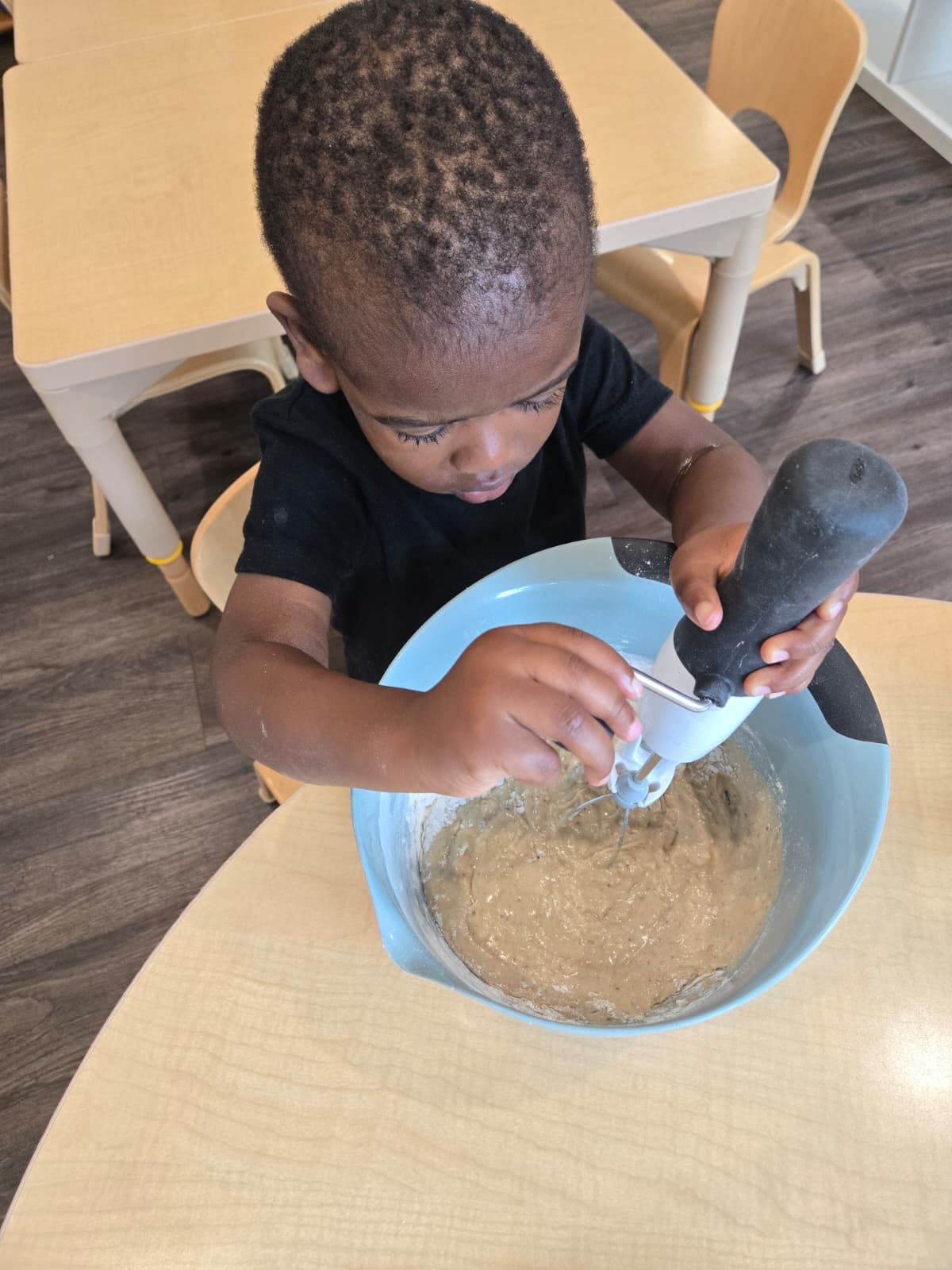
In the Montessori classroom, even very young children are trusted with real responsibilities:
- Pouring water
- Washing tables
- Preparing snacks
- Caring for plants
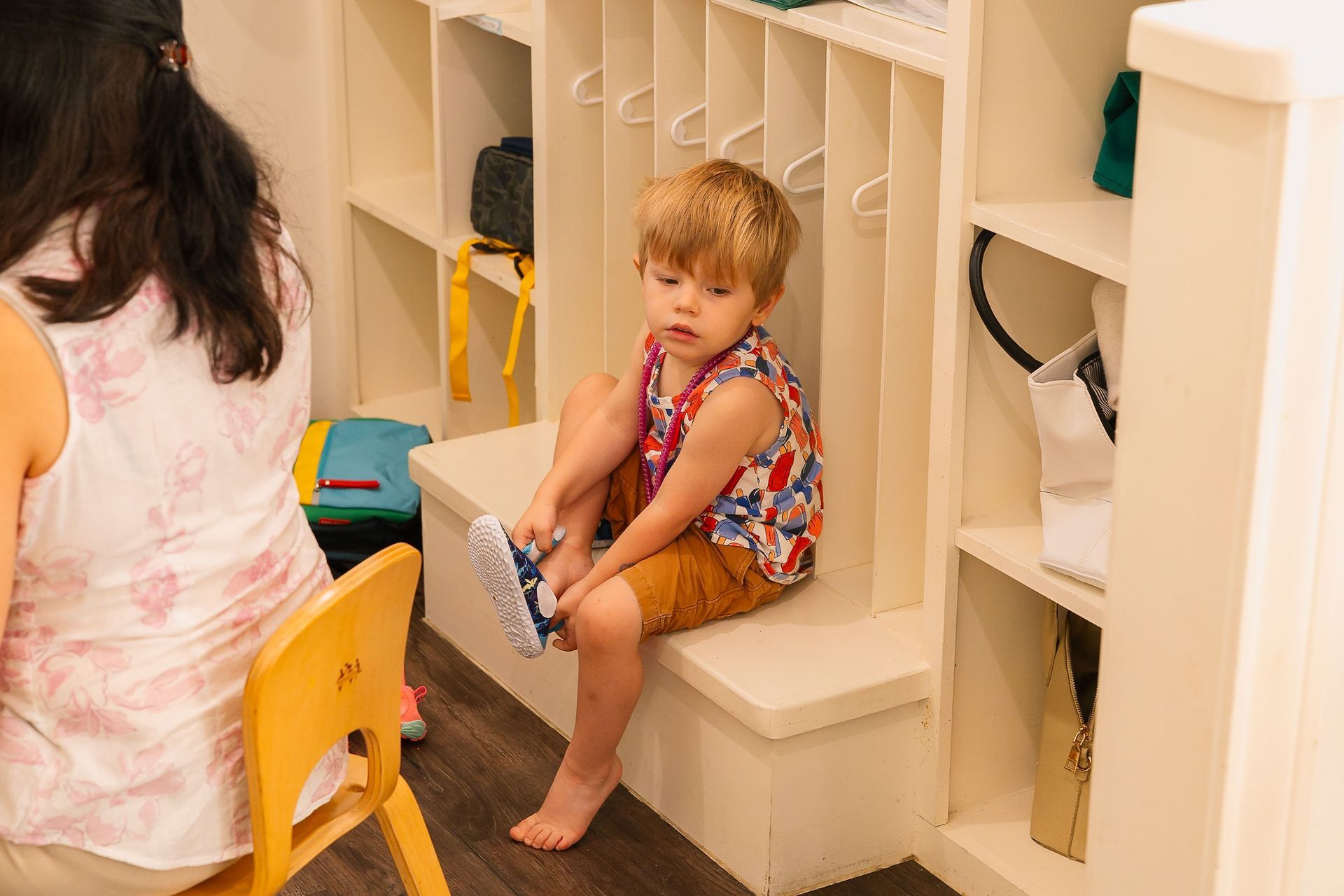
- Dressing independently
- Cleaning up their work
- Solving problems peacefully
These everyday experiences may seem simple, but they are powerful.
Each time a child accomplishes a task independently, they build confidence, capability, and a sense of dignity.
In many traditional educational settings, children spend much of the day being directed by adults: where to sit, what to work on, when to move, and how quickly to complete tasks. In Montessori, children are active participants in their own learning from the very beginning.
Freedom Supports Concentration and Self-Discipline
Interestingly; freedom in Montessori does not create chaos, it creates focus.
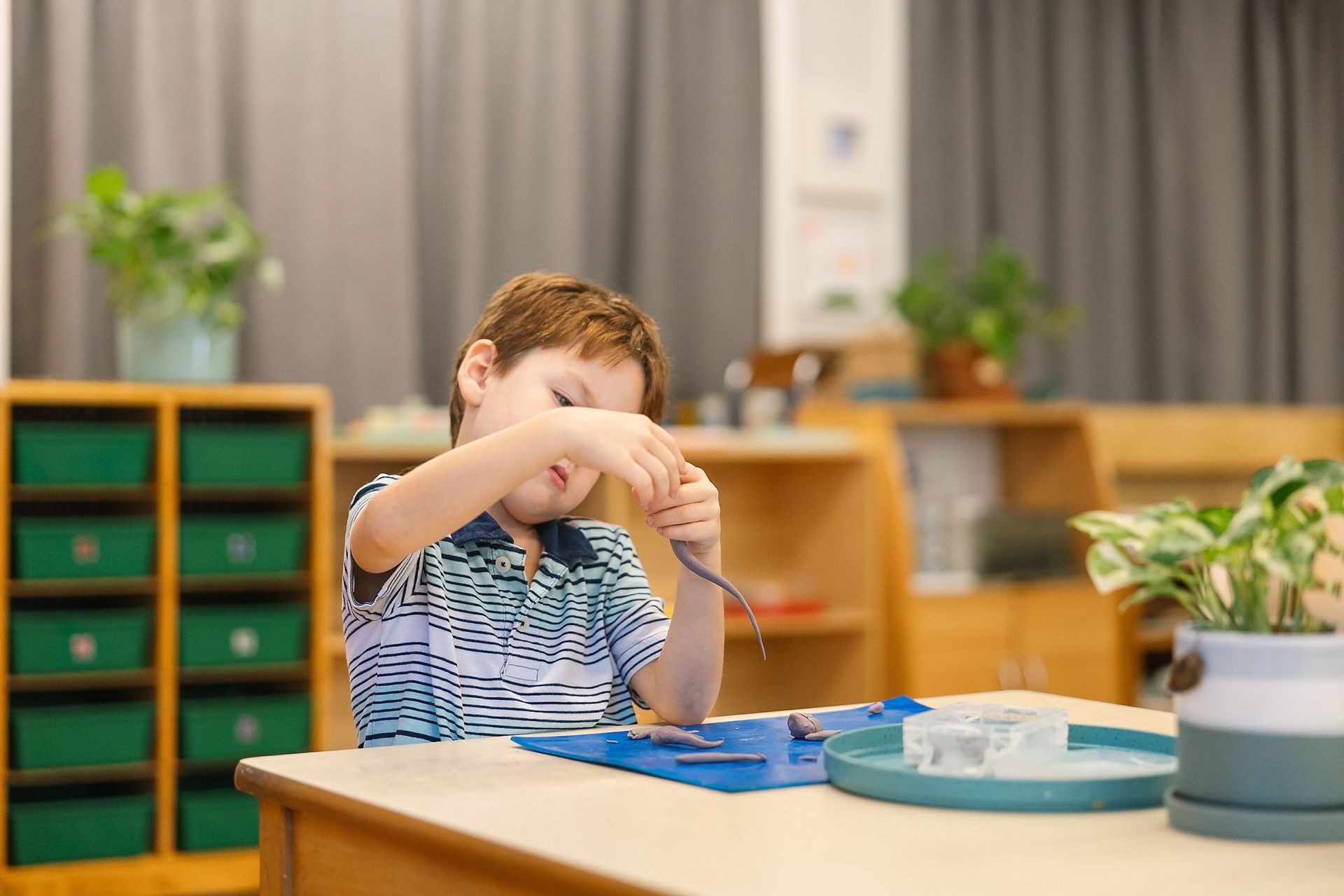
When children are allowed to choose meaningful work that matches their developmental needs, they naturally begin to concentrate for longer periods of time. Through repeated experiences of purposeful activity, children develop patience, persistence, coordination, and self-regulation.
This is why Montessori classrooms often appear calm and peaceful.
The discipline that emerges is not imposed from the outside through fear or rewards. It develops internally as the child matures.
This process takes time, consistency, and trust.
Why Freedom Matters for Young Children
Primary-aged children are in a sensitive period for independence. They deeply desire to participate in the world around them and often say:
- “I can do it myself.”
- “Let me try.”
- “I want to help.”
When adults consistently rush in, over-correct, or do everything for the child, we unintentionally limit the child’s opportunity to grow capable and confident.
Freedom allows children to:
- Develop decision-making skills
- Build responsibility
- Gain confidence
- Learn from mistakes
- Practice perseverance
- Experience natural consequences
- Develop intrinsic motivation
These are lifelong qualities that extend far beyond academics.
Freedom at Home During the Summer
Summer is an excellent time to continue supporting independence at home.
While routines may shift during the warmer months, children still benefit from opportunities to contribute meaningfully to family life.
Simple ways to encourage freedom and independence include:
- Allowing children to dress themselves
- Involving them in meal preparation
- Creating accessible spaces for snacks and water
- Giving children responsibilities around the home
- Offering limited choices
- Allowing extra time for children to complete tasks independently
- Encouraging problem-solving before stepping in to help
Young children do not need unlimited choices. They need thoughtful freedom within consistent boundaries.
For example:
- “Would you like the blue shirt or the green shirt?”
- “You may choose a book after you put your shoes away.”
- “You may play outside after we clean up together.”
This approach helps children feel respected while still providing the security of clear expectations.
Freedom and Respect Go Hand in Hand
In Montessori education, freedom is deeply connected to respect:
- Respect for oneself
- Respect for others
- Respect for the environment
- Respect for the child’s natural development
Children learn that true independence also includes responsibility, kindness, and consideration for the community around them.
This understanding begins in early childhood and becomes the foundation for healthy relationships and peaceful social interactions later in life.
Preparing Children for Life
At Northwood Montessori, our goal is not simply academic achievement. We are helping children become capable, thoughtful, independent human beings.
Freedom in the Montessori environment is carefully cultivated so children can develop:
- Confidence
- Responsibility
- Self-discipline
- Initiative
- Respect
- Joy in learning
As we reflect during the week of Juneteenth on the importance and meaning of freedom, we are reminded that even young children flourish when they are treated with dignity, trust, and respect.
When children are given the freedom to participate meaningfully in their own lives, they begin developing the inner tools they will carry with them for years to come.
You might also like