How Predictable Routines and Respectful Limits Help Toddlers Feel Secure, Independent, and Calm
Summer often brings exciting changes for families; vacations, later bedtimes, visits with relatives, camps, and more flexible schedules. While these seasonal shifts can be joyful, they can also be especially overwhelming for toddlers.
At Northwood Montessori, we often remind families that toddlers thrive on consistency, predictability, and order. In an authentic Montessori environment, these are not simply classroom management tools; they are deeply connected to the child’s developmental needs.
For toddlers, consistency creates security. And when a child feels secure, they are more capable of developing independence, confidence, emotional regulation, and peaceful behavior.
Why Toddlers Crave Consistency
Between birth and age three, children are building their understanding of the world at an extraordinary rate. During this stage of development, toddlers are working hard to answer important unconscious questions:
- Is the world predictable?
- Am I safe?
- Can I trust the people around me?
- What happens next?
Young children are not yet able to manage constant unpredictability the way adults can. Sudden changes, inconsistent limits, irregular schedules, or overstimulation can feel deeply unsettling to them.
This is why toddlers often become dysregulated during periods of transition or inconsistency.
From an authentic Montessori perspective, the young child has what Dr. Maria Montessori called a “sensitive period for order.” Toddlers are naturally drawn to routine, repetition, and consistency because these help them construct an internal sense of organization and understanding.
Consistency Builds Emotional Security
When daily life feels predictable, toddlers relax.
Consistent routines help children know:
- When meals happen
- What bedtime looks like
- What is expected of them
- What limits exist
- Who will care for them
- How transitions unfold
This predictability reduces anxiety and helps toddlers develop trust in both their environment and the adults around them.
Inconsistent responses from adults can be confusing for young children. For example:
- One day a behavior is allowed, the next day it is not
- Bedtime changes drastically each night
- Limits are enforced inconsistently
- Adults react unpredictably depending on mood or stress
Toddlers are not trying to “test” adults in the way people often assume. More often, they are seeking clarity, consistency, and reassurance.
Freedom Within Clear Limits
Montessori education is often associated with freedom, but in an authentic Montessori environment, freedom always exists within consistent and respectful boundaries.
Toddlers need adults who are:
- Calm
- Predictable
- Clear
- Kind
- Firm
This balance helps children feel emotionally safe.
For example:
- “I won’t let you hit.”
- “Food stays at the table.”
- “It’s time to clean up now.”
- “You may walk inside.”
These limits are communicated respectfully and consistently, without shame, bribes, or harsh punishment.
Over time, toddlers internalize these expectations and begin developing self-regulation.
Why Summer Can Be Challenging for Toddlers
Summer often disrupts the rhythms children rely upon:
- Later nights
- Increased screen time
- Traveling
- Missed naps
- Busy social schedules
- Less structured days
While occasional flexibility is completely normal, long periods without consistency can lead to:
- More tantrums
- Difficulty sleeping
- Increased clinginess
- Emotional dysregulation
- Power struggles
- Trouble with transitions
Toddlers do not necessarily need rigid schedules, but they do benefit greatly from dependable rhythms and routines.
Montessori-Inspired Tips for a More Peaceful Summer
Maintain Predictable Daily Rhythms
Children feel calmer when the general flow of the day remains consistent.
Try to maintain regular:
- Wake times
- Meals and snacks
- Nap or rest times
- Bedtime routines
Even during travel or vacations, preserving some familiar rhythms can help toddlers feel more secure.
Keep Routines Simple and Repetitive
Toddlers thrive on repetition.
Simple routines like:
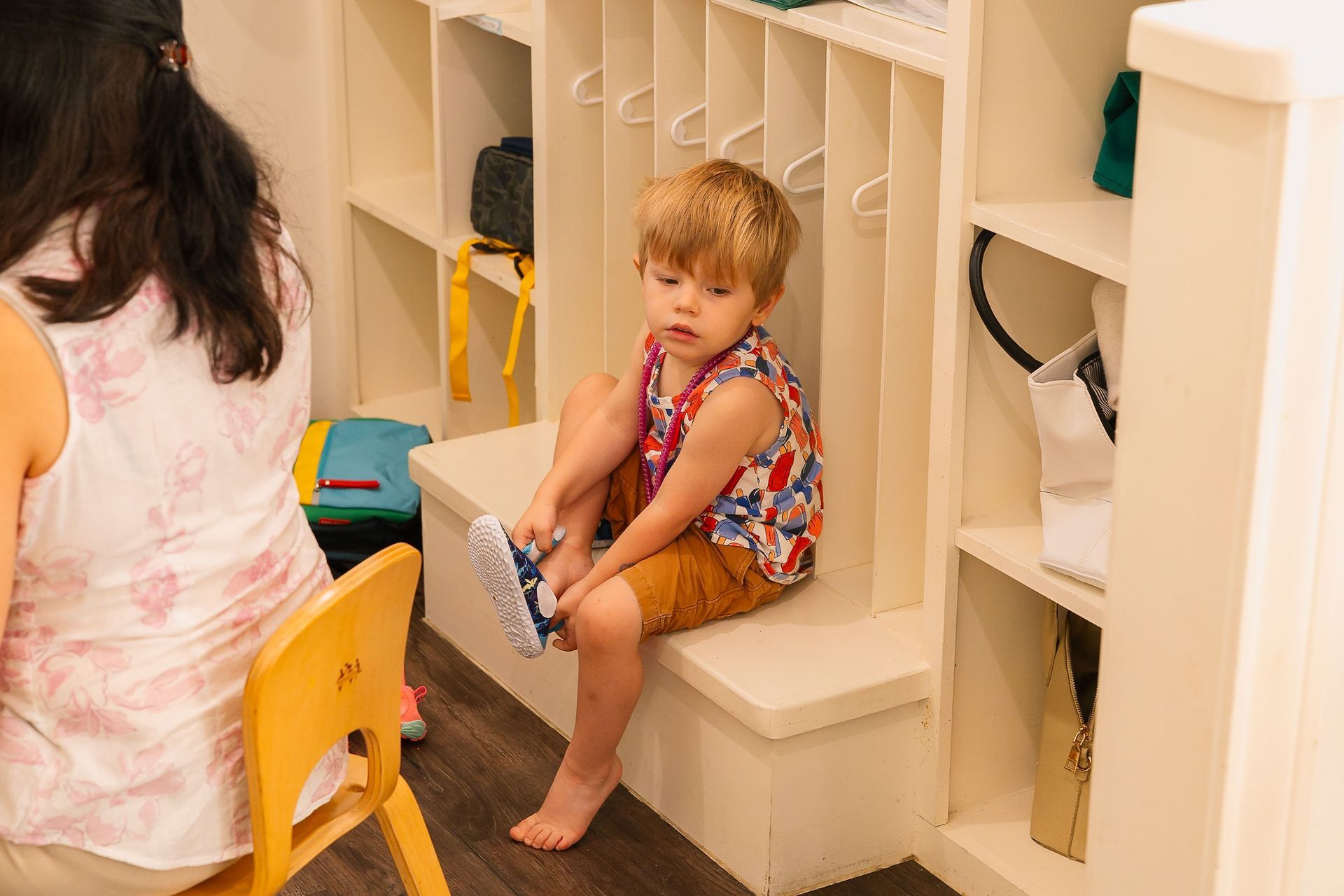
- Putting shoes in the same place
- Washing hands before meals
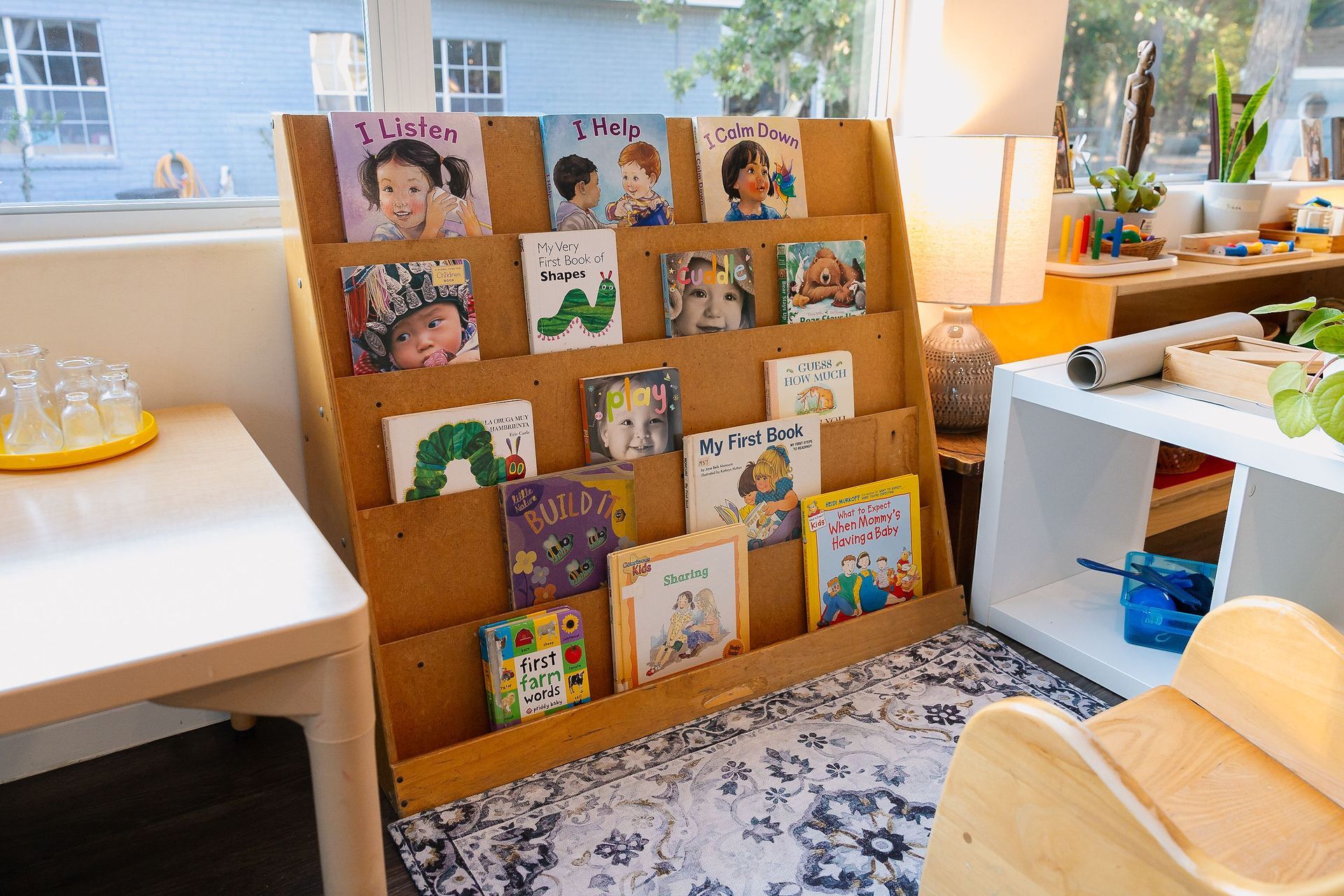
- Reading books before bed
- Cleaning up after play
help children build independence and confidence.
Consistency in these small moments matters tremendously.
Prepare Toddlers for Transitions
Young children struggle when transitions feel sudden.
Whenever possible:
- Give simple warnings before transitions
- Explain what will happen next
- Keep your language calm and concise
For example:
- “After lunch, we are going to Grandma’s house.”
- “Two more minutes, then bath time.”
Predictability helps reduce resistance.
Limit Overstimulation
Summer activities can quickly become overwhelming for toddlers.
Children under three benefit from:
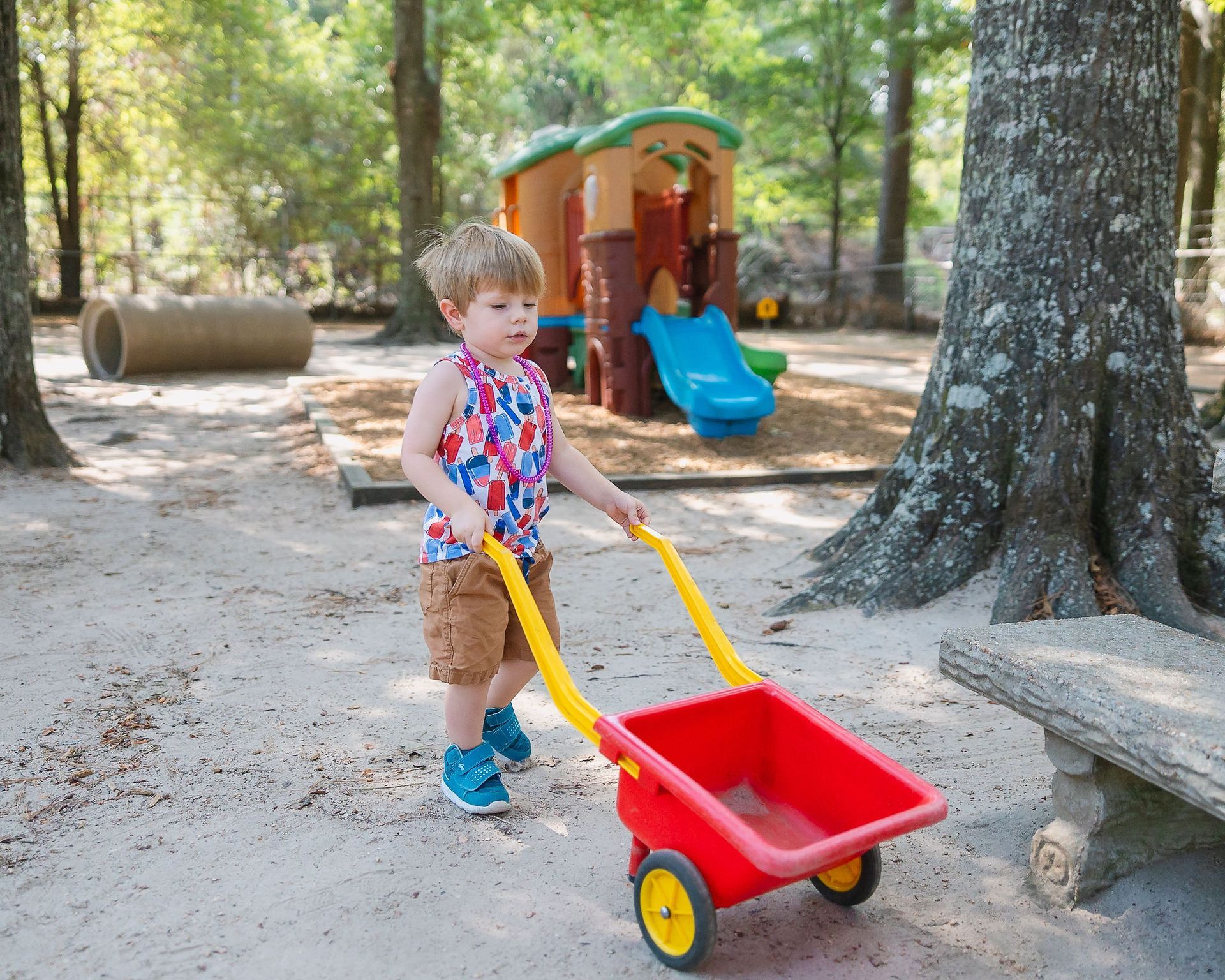
- Outdoor play
- Real-life activities
- Time in nature
- Slower pacing
- Opportunities for movement
- Meaningful participation in daily life
From a Montessori perspective, toddlers do not need constant entertainment. They need purposeful experiences and connection.
Involve Toddlers in Everyday Life
One of the best ways to support toddlers during the summer is through practical life activities.
Toddlers love meaningful work such as:
- Watering plants
- Washing fruit
- Carrying groceries
- Sweeping
- Folding washcloths
- Preparing snacks
These activities provide order, concentration, movement, and a sense of belonging.
Consistency Creates Confidence
At Northwood Montessori, we understand that toddlerhood is a profound period of development. Beneath every routine, limit, and repeated activity is a child working hard to build themselves.
Consistency is not about rigidity or perfection. It is about creating an environment where the child feels safe enough to grow.
When toddlers can rely on predictable rhythms, respectful limits, and calm guidance, they begin developing:
- Trust
- Independence
- Emotional regulation
- Confidence
- Security
- Self-discipline
These early foundations shape far more than behavior, they support the child’s entire development
You might also like