Why Authentic Montessori Education Looks Different From Traditional Early Childhood Programs and Why That Difference Matters
One of the most common questions parents ask when first exploring Montessori education is:
“What is the curriculum?”
Families visiting Montessori schools for the first time are often comparing what they see to more traditional early childhood programs. Parents may expect to find a schedule filled with separate classes and enrichment rotations like:
- Yoga
- Music class
- Spanish lessons
- STEM activities
- Art time
- Circle time blocks
When they enter an authentic Montessori environment, they are sometimes surprised to see something very different:
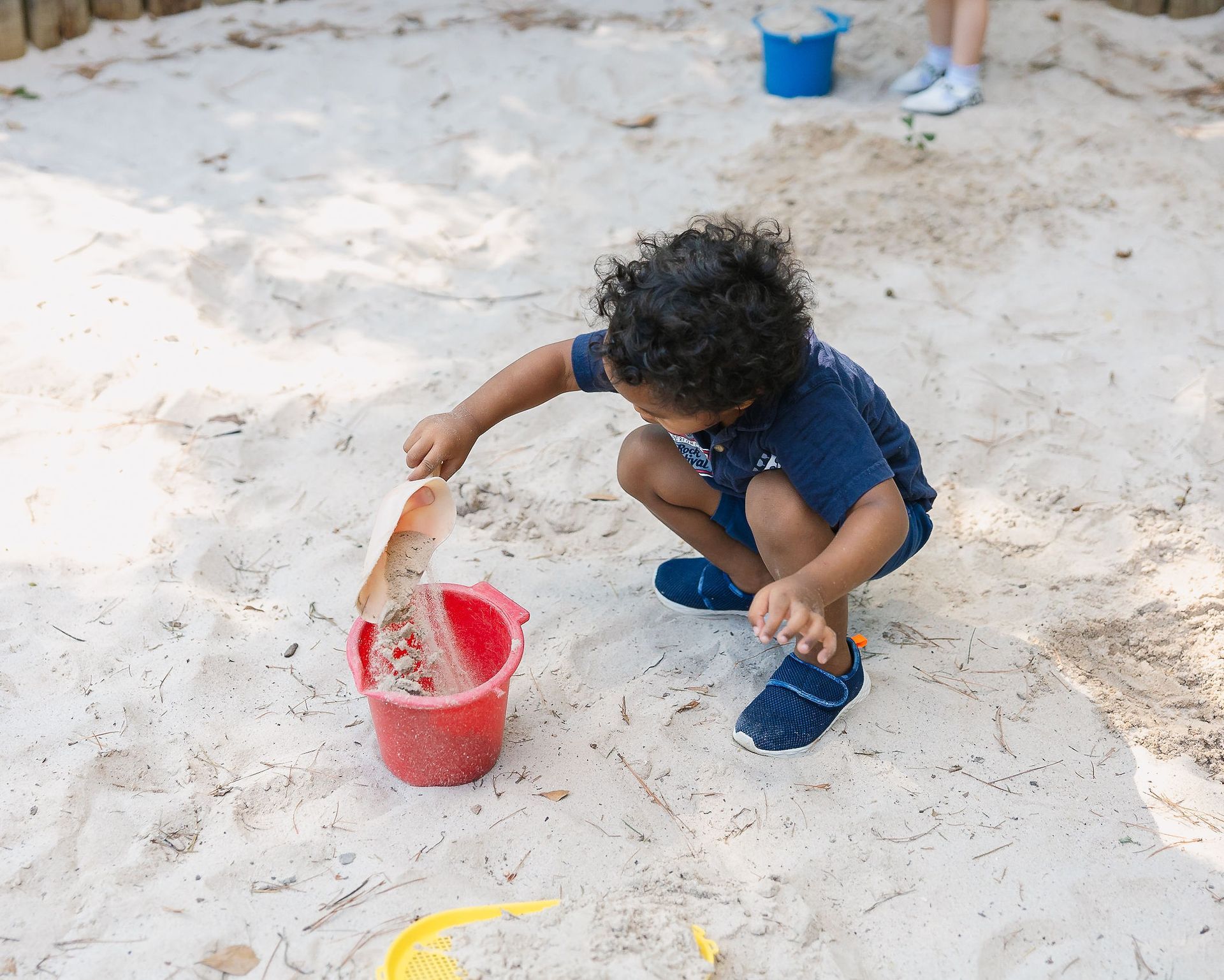
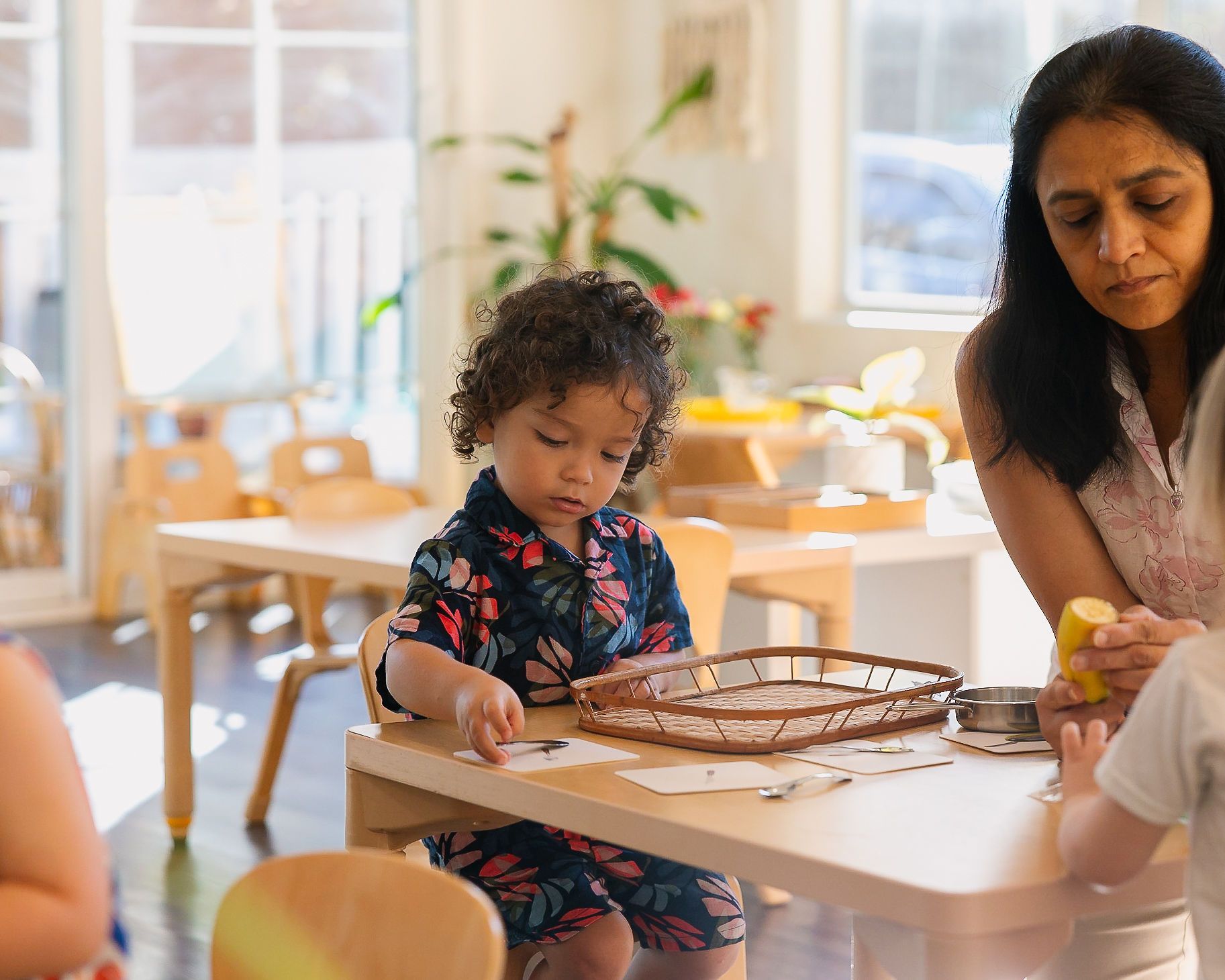
children independently choosing work, moving calmly throughout the classroom, preparing snacks, washing tables, building concentration, and engaging deeply with hands-on materials.
This naturally leads parents to wonder:
“When do they do the curriculum?”
At Northwood Montessori, we understand this question completely. The Montessori approach differs significantly from traditional educational models, especially for children ages 18 months through 6 years.
The important thing to understand is this:
In authentic AMI Montessori education, the classroom itself is the curriculum.
The Montessori Curriculum Is Embedded in the Environment
In many traditional schools, learning is divided into separate subjects, teacher-led lessons, and scheduled enrichment activities throughout the day.
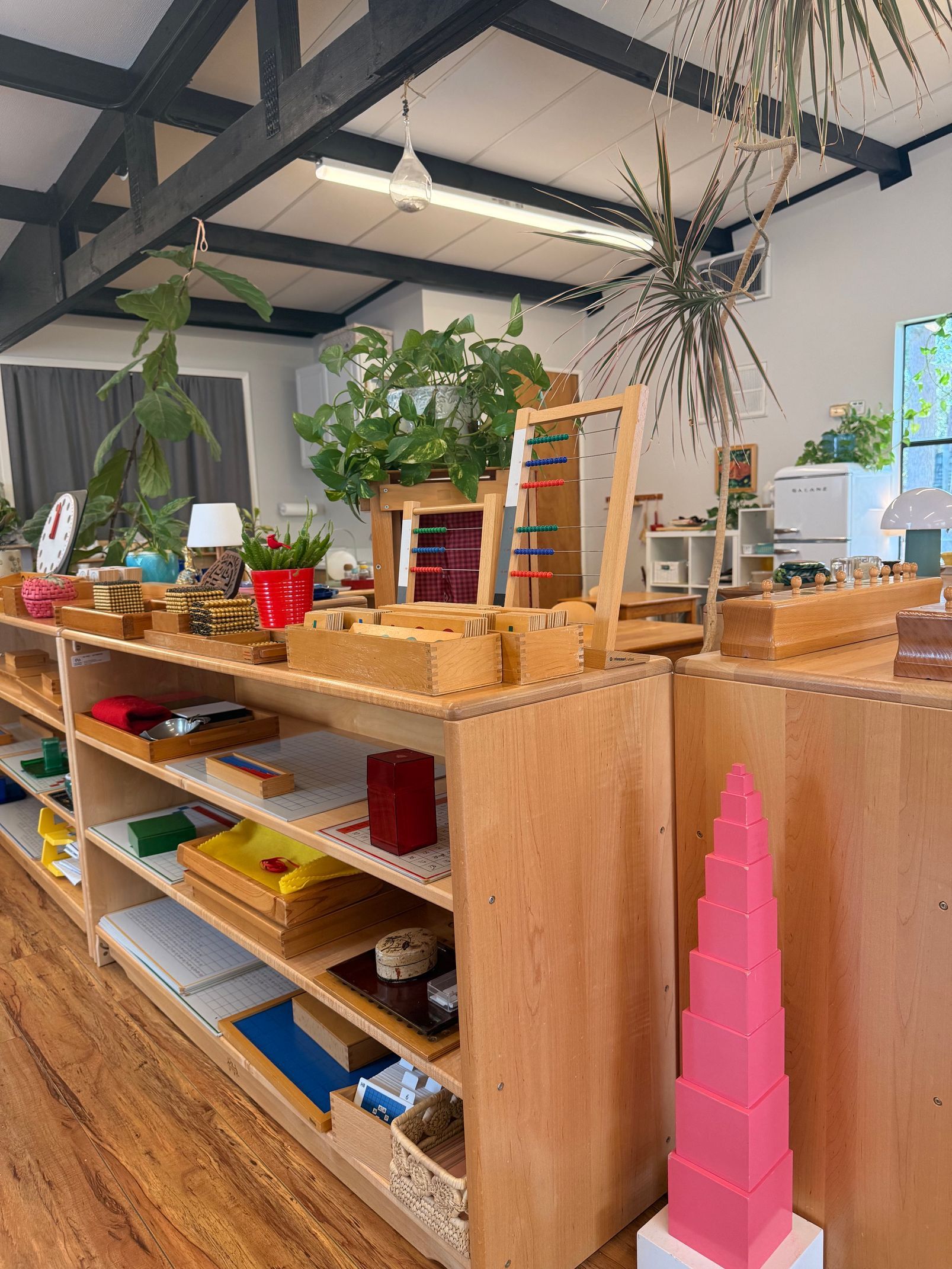
In an authentic Montessori environment, the curriculum is intentionally woven into the prepared environment, the Montessori materials, the child’s freedom of movement, and the uninterrupted work cycle.
Rather than constantly shifting children from activity to activity, Montessori protects long periods of concentration and purposeful work.
This is because young children learn best through:
- Repetition
- Movement
- Hands-on exploration
- Independence
- Real experiences
- Deep concentration
The Montessori classroom is scientifically designed to meet these developmental needs.
What Areas Are Included in the Montessori Curriculum?
The Montessori curriculum for toddlers and Primary children is rich, comprehensive, and interconnected.
For children ages 18 months to 3 years, the environment focuses heavily on:
- Practical life
- Language development
- Gross and fine motor coordination
- Care of self
- Care of the environment
- Grace and courtesy
- Independence
- Early sensorial exploration
For children ages 3 to 6, the curriculum expands into:
- Practical Life
- Sensorial
- Language
- Mathematics
- Geography
- Science
- Botany
- Zoology
- Art
- Music
- Cultural studies
These areas are not isolated subjects taught through worksheets or lectures. They are explored concretely through carefully designed Montessori materials and purposeful activity.
Why Montessori Protects the Uninterrupted Work Cycle
One of the defining characteristics of authentic Montessori education is the uninterrupted morning work cycle.
This long period of concentrated work allows children to:
- Choose activities independently
- Follow their interests
- Repeat work as needed
- Develop concentration
- Build executive functioning skills
- Experience intrinsic motivation
In many conventional early childhood settings, children are frequently interrupted for transitions, specials, group activities, and teacher-directed lessons.
While enrichment activities may appear exciting externally, constant interruptions can fragment concentration and reduce opportunities for deep engagement.
Maria Montessori observed that concentration is foundational to the child’s development. Protecting it is one of the most important responsibilities of the adult.
This is why authentic Montessori classrooms avoid over-scheduling the child’s day.
“But Do They Have Music, Spanish, or Yoga?”
Parents often ask whether children participate in additional enrichment programs.
In Montessori, these experiences are not viewed as separate “extras” added onto learning. Instead, culture, movement, music, language, and grace are naturally integrated into the daily life of the classroom.
For example:
- Children sing songs and learn rhythm through daily community experiences
- Movement is constant throughout the environment
- Grace and courtesy lessons teach social interaction and body awareness
- Vocabulary and language are continuously enriched
- Cultural studies expose children to global diversity
- Art is available as meaningful expression rather than craft replication
In many Montessori environments, children may also be exposed to songs, vocabulary, or cultural experiences connected to other languages and traditions. However, authentic Montessori education prioritizes depth of development over excessive enrichment scheduling.
For young children, especially under age six, more activities do not necessarily equal better learning.
The Child’s Development Is the Priority
Montessori education is fundamentally different because it follows the developmental needs of the child rather than adult expectations of what school “should look like.”
An authentic Montessori classroom is intentionally calm, ordered, and purposeful.
The goal is not to entertain children constantly. The goal is to help them construct themselves.
This includes developing:
- Concentration
- Coordination
- Independence
- Confidence
- Self-discipline
- Problem-solving
- Language
- Social awareness
- A love of learning
These capacities are built slowly and deeply through meaningful activity.
Why This Approach Matters So Much Before Age Six
From birth to age six, children are in what Maria Montessori called the period of the absorbent mind. During this stage, children unconsciously absorb everything from their environment.
Because of this, the quality of the environment matters tremendously.
Children do not need rushed academics, constant stimulation, or packed schedules. They need:
- Order
- Beauty
- Purposeful activity
- Movement
- Independence
- Real experiences
- Time to concentrate
Authentic Montessori education carefully protects these needs.
Montessori Education Is Richer Than It First Appears
To someone unfamiliar with Montessori, the classroom can initially seem simple. But beneath the calm environment is an extraordinarily intentional and comprehensive curriculum grounded in child development.
Every material has a purpose.
Every lesson is carefully sequenced.
Every part of the environment supports the child’s growth.
At Northwood Montessori; we believe that the early years are not simply preparation for future learning, they are the foundation for the child’s entire development.
When children are given the time, freedom, and carefully prepared environment they truly need, remarkable learning unfolds naturally.
You might also like