Following the Child: The Core of Our Montessori Practice
"When a child is given a little leeway, he will at once shout, 'I want to do it!' But in our schools, which have an environment adapted to children’s needs, they say, 'Help me to do it alone.'" Dr. Maria Montessori, The Secret of Childhood
At Northwood Montessori School, one phrase guides our days, shapes our environments, and drives our work with your children: "Follow the child." Since 1975, this foundational AMI principle has been at the heart of how we serve generations of Houston families. We believe that every child possesses an innate, natural drive toward learning and development. Our role as adults is simply to prepare the path, observe carefully, and step aside.
Following the child is not a practice reserved solely for our Toddler and Primary environments. It is a philosophy that can beautifully transform the rhythm of your home. Dr. Maria Montessori wrote extensively about this topic, and her insights remain remarkably practical for modern family life.
Pause and Resist Interruptions
"Praise, help, or even a look, may be enough to interrupt him, or destroy the activity. The great principle which brings success to the teacher is this: as soon as concentration has begun, act as if the child does not exist." Dr. Maria Montessori, The Absorbent Mind
As adults, we often feel a natural obligation to constantly engage with the children around us. We may feel duty-bound to dispense our knowledge, offer verbal guidance, or provide frequent praise. This often stems from our own upbringing and traditional schooling experiences, but it is rarely what the young child truly needs.
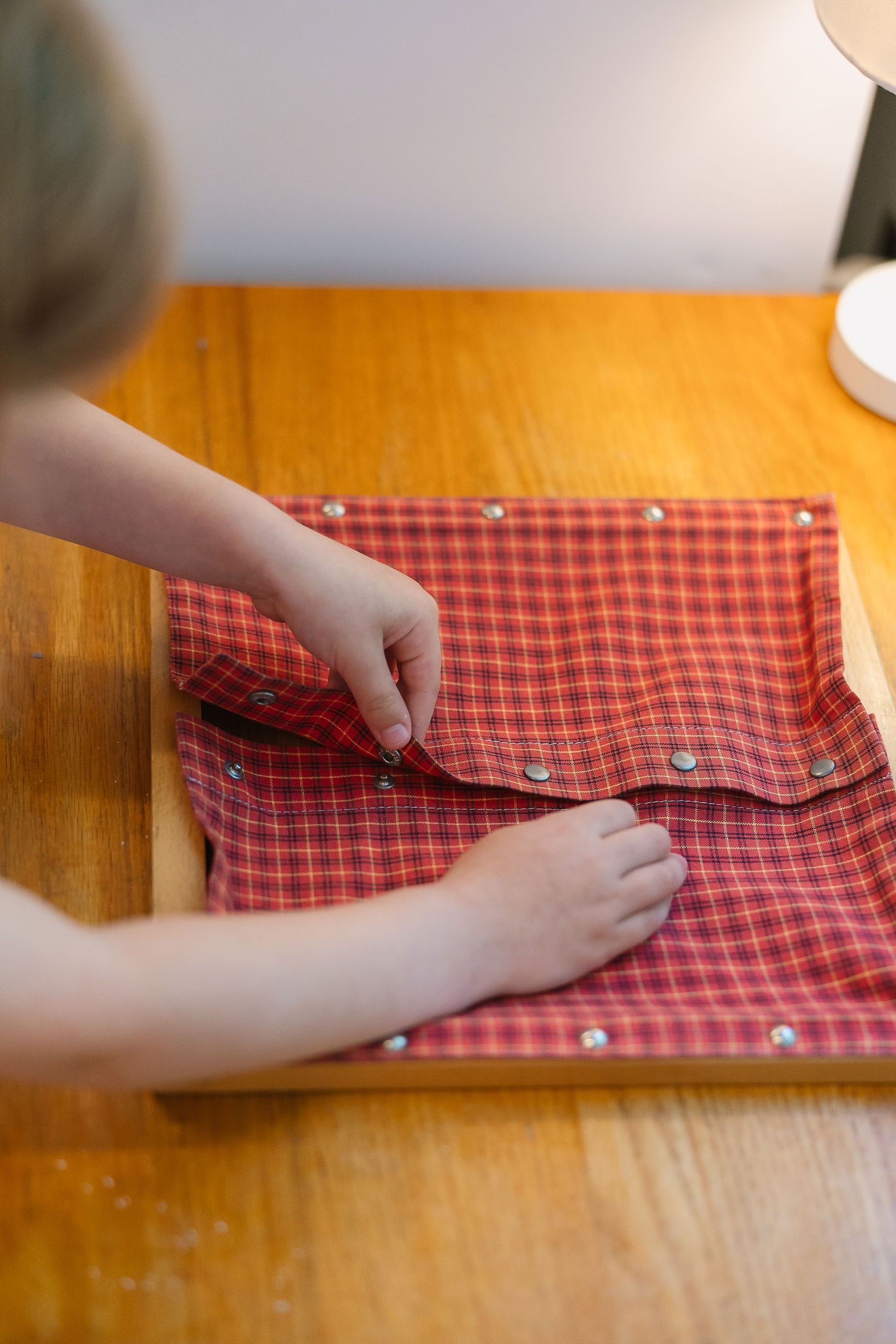
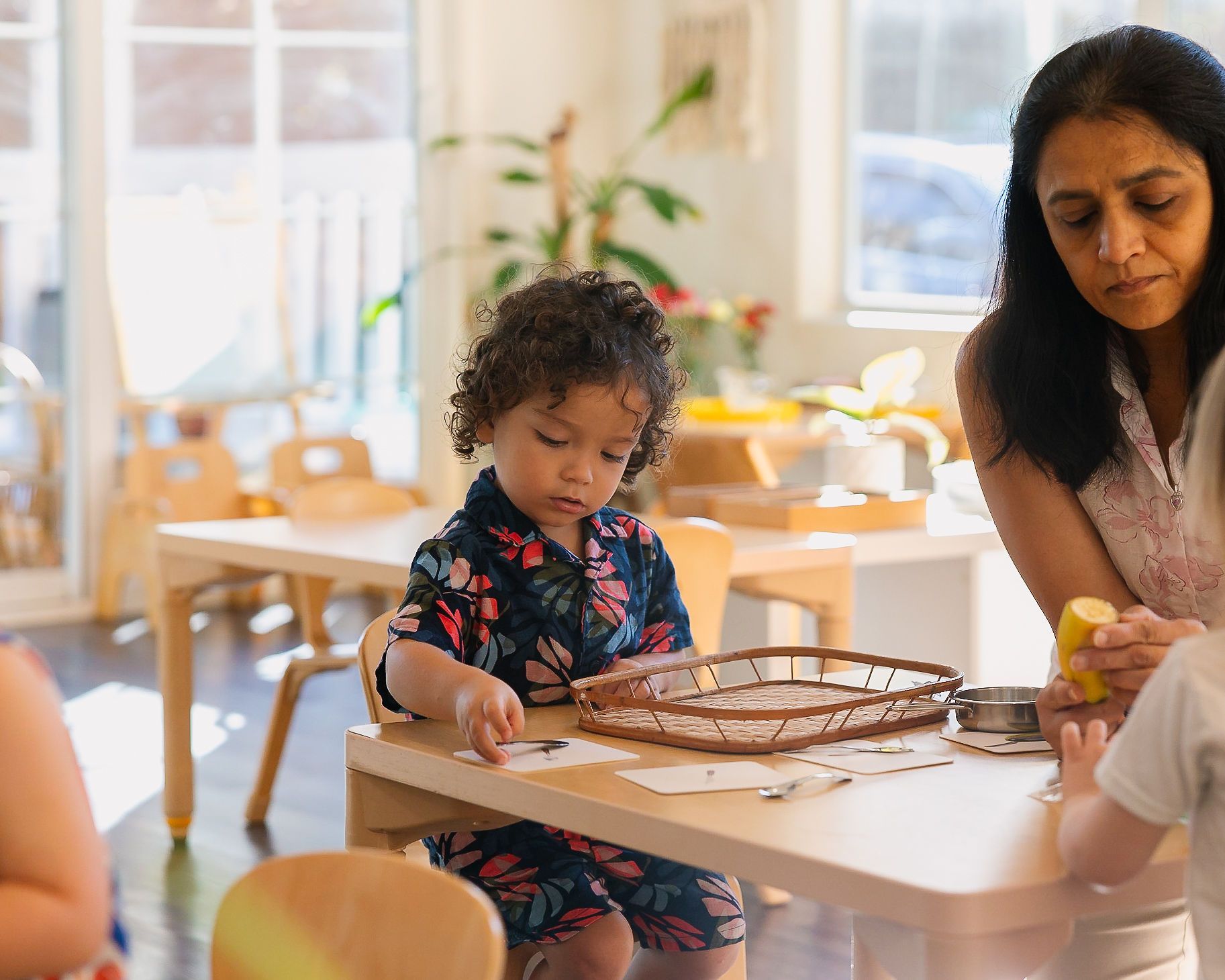
The most supportive action we can take when approaching a child is to pause. Is the child deeply focused? Are they carefully pouring water, buttoning a jacket, or matching language cards? If they are engaged and respecting the material, it is best not to interfere.
When a child is concentrating, they are not seeking external approval. Even if they are not using a material exactly as we envisioned, they are gaining valuable internal coordination and satisfaction.
When their work is finished, they do not require empty praise like "good job." Instead, we can offer objective acknowledgement that values their effort. You might say, "I noticed you spent a long time working on that puzzle today," which allows the child to take true ownership of their achievement.
Trust the Child’s Internal Drive
"The child looks for his independence first, not because he does not desire to be dependent on the adult. But because he has in himself some fire, some urge, to do certain things and not other things." Dr. Maria Montessori, The Theosophist
Young children do not inherently seek external rewards. When we rely heavily on prizes or excessive praise, we inadvertently teach children to work for the approval of others. When we trust that they want to learn for the sheer joy of the experience, we protect their natural, lifelong curiosity.
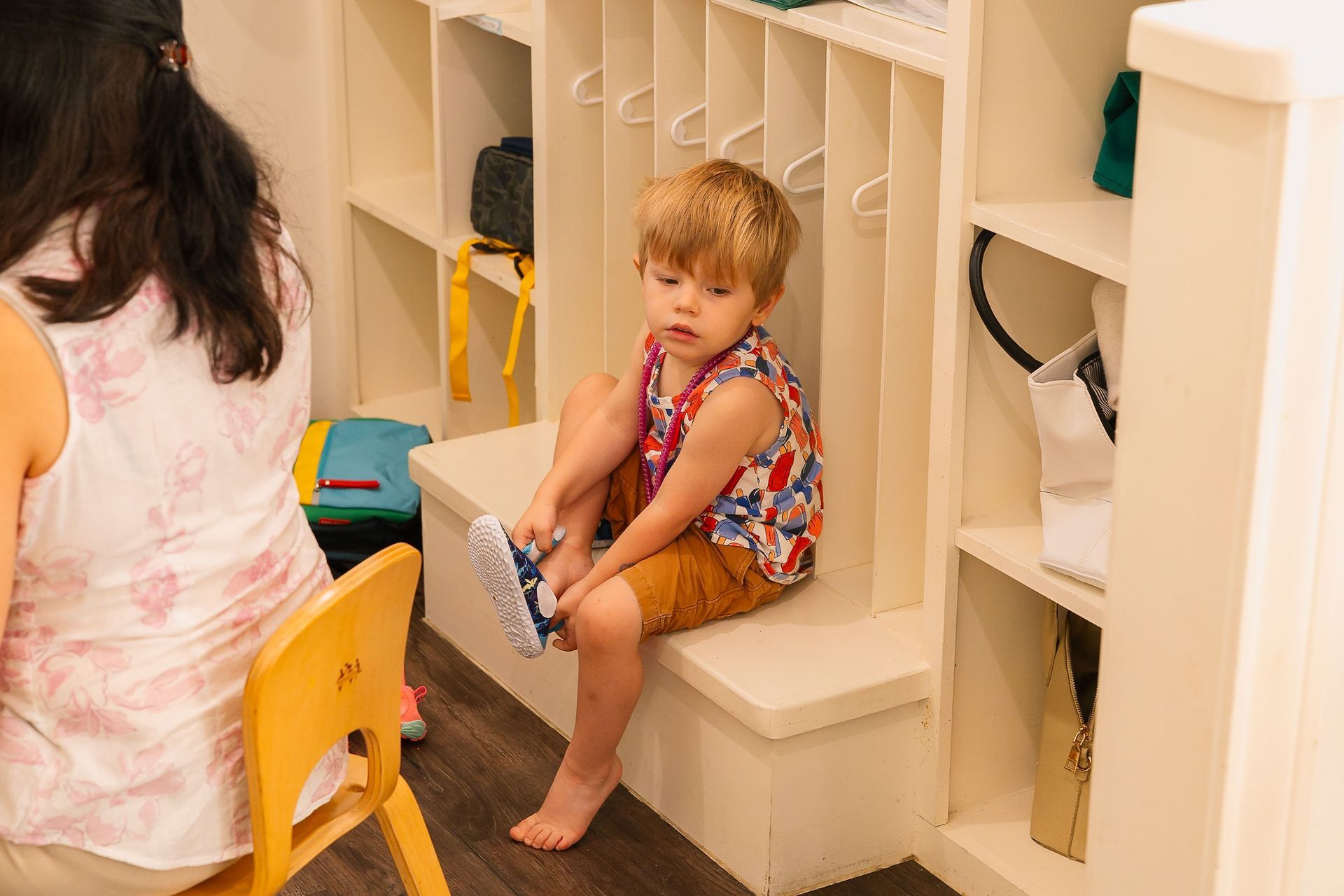
In the Toddler and Primary years, children show intense signs of wanting independence. When your toddler wants to help you wipe a spill on the kitchen floor, or your Primary child insists on putting on their own shoes, slow down and allow them to try.
We understand that busy schedules can make these moments feel challenging. However, protecting these small windows of time builds profound confidence. Our children want to work. They want to contribute to their environment. They simply need us to allow them the space to try.
Recognize the Value of the Prepared Environment
"Children acquire knowledge through experience in the environment." Dr. Maria Montessori, The 1946 London Lectures
"Now the adult himself is part of the child's environment; the adult must adjust himself to the child's needs if he is not to be a hindrance to him and if he is not to substitute himself for the child in the activities essential to growth and development." Dr. Maria Montessori, The Secret of Childhood
The environment is one of the greatest teachers a child can have. At Northwood, our AMI-trained guides spend countless hours meticulously preparing, analyzing, and maintaining our classrooms. If a piece of furniture disrupts the natural flow of the room, it is moved. If a child needs more space to work comfortably on the floor, the environment is adjusted to accommodate them. As adults, we are a living part of that environment, serving as an aid rather than the main focus.
You can apply this same intentionality to your home. By looking at your living spaces through the eyes of your child, you can remove subtle barriers to their independence.
- Placing a sturdy stool in the kitchen allows a child to safely wash their own hands or help prepare a snack.
- Hanging a low hook by the front door empowers them to hang up their own coat.
- Placing a small pitcher of water and a glass on a low shelf allows them to satisfy their own thirst.
When you observe a point of frustration for your child at home, ask yourself how the physical environment might be adjusted to meet that need.
Observe to Understand
"The child whose attention has once been held by a chosen object, while he concentrates his whole self on the repetition of the exercise, is a delivered soul in the sense of the spiritual safety of which we speak. From this moment there is no need to worry about him, except to prepare an environment which satisfies his needs, and to remove obstacles which may bar his way to perfection." Dr. Maria Montessori, The Absorbent Mind
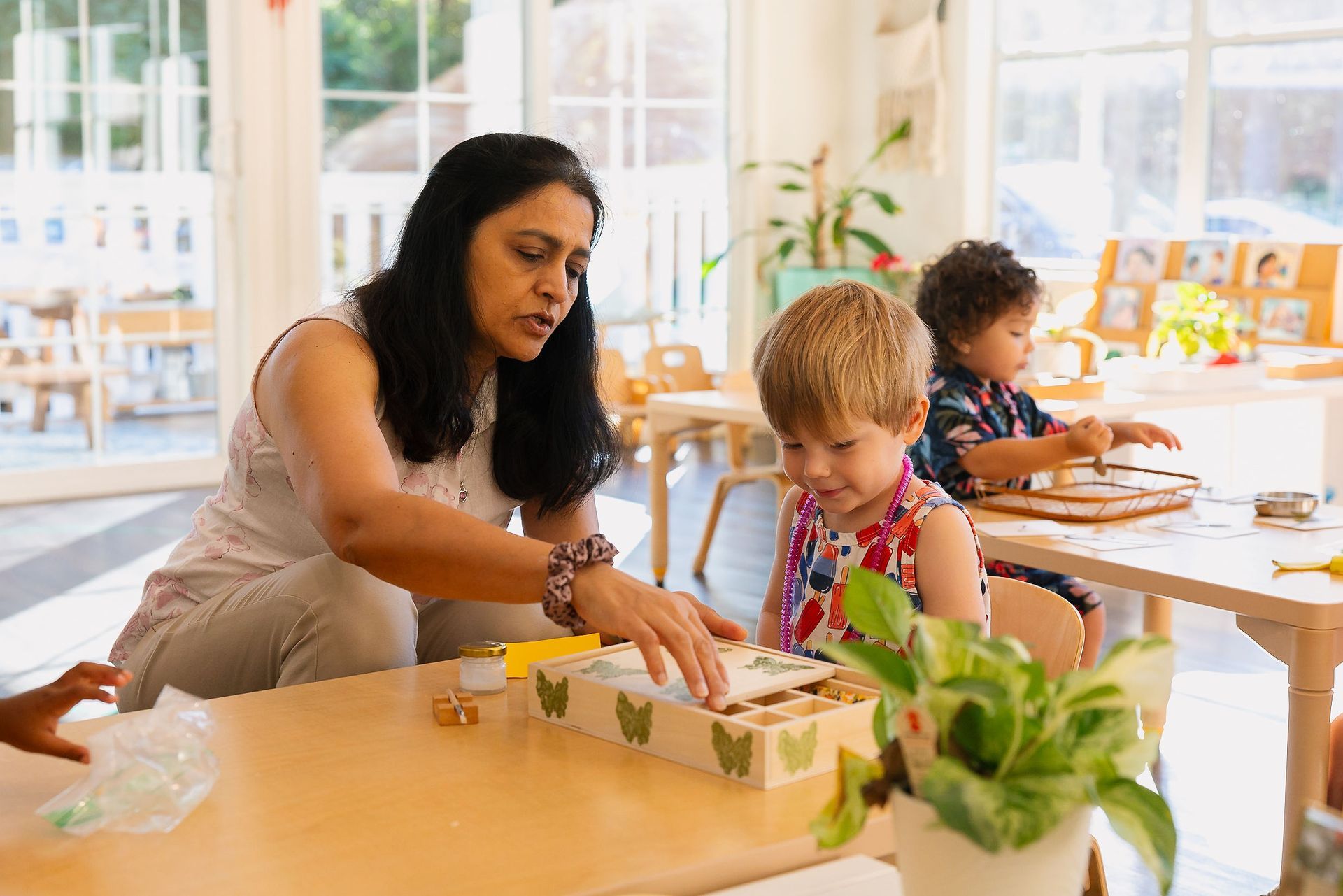
Dr. Montessori was a scientist. She developed her revolutionary method entirely through objective observation. Today, our guides continue this daily scientific practice. We carve out specific time to watch the children work. We note which materials draw them in, where they experience frustration, and when they show readiness for a new lesson. We observe without judgment so we can accurately prepare the environment for what comes next.
Observation is a beautiful tool for parents as well. If you notice your child has stopped engaging with certain books or toys, you might quietly rotate them out for others. If they are struggling with a morning routine, you can look for the specific point where the breakdown occurs and adjust the steps.
By stepping back and observing your child with a sense of curiosity, you will gain incredible insight into their development. We have so much to learn from our children when we take the time to truly look.
You might also like