Understanding Body Schema: Nurturing the Mind-Body Connection in Early Childhood
Our youngest children are sensory-motor learners. They discover the world and absorb information constantly through physical movement and sensory input. Think about young babies and how fascinated they are with their own hands and feet. They move them, touch them, and look at them with absolute wonder and delight. This experience provides essential physical feedback, helping them identify what is a part of their own body and what is external to them.
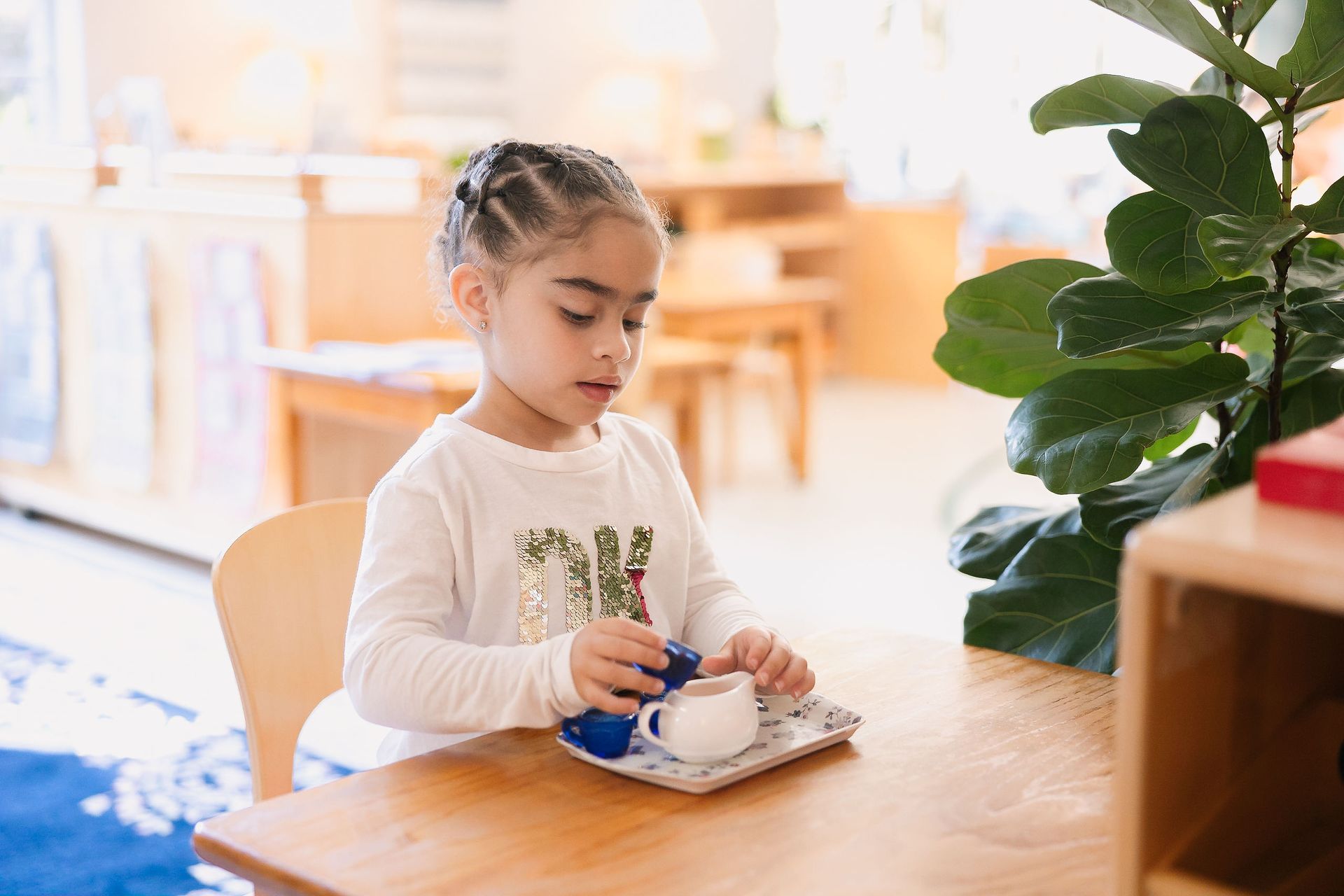
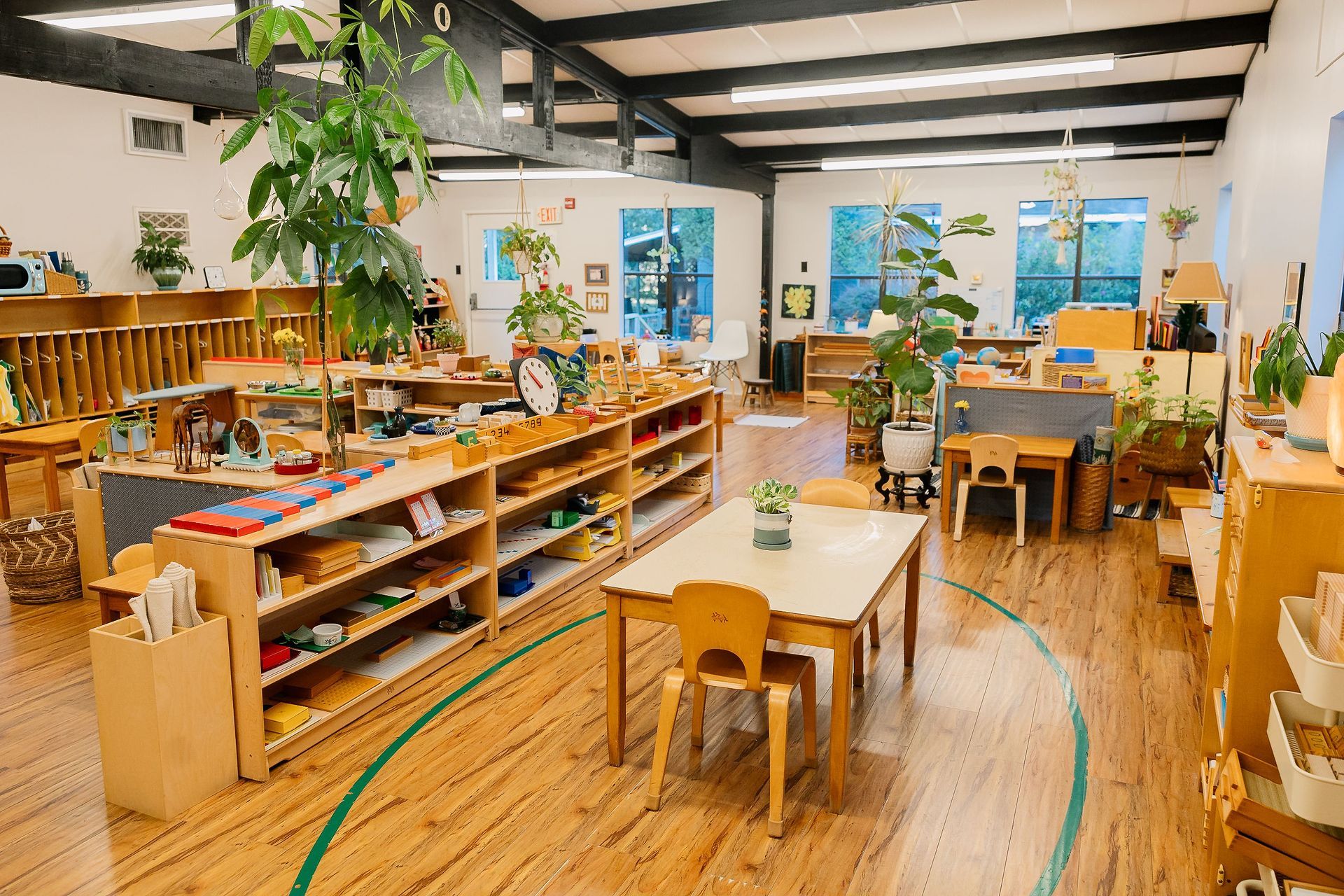
At Northwood Montessori School, our Toddler and Primary environments are carefully prepared to honor this natural stage of development. Since 1975, our AMI-trained guides have partnered with Houston families to support the natural, healthy development of the whole child, starting with the physical foundation of the mind-body connection.
What is Body Schema?
Body schema is the internal, unconscious awareness we have of our own body and the relationship of our body parts to one another. It is essentially a map in the brain that tells a child where their physical self ends and the external environment begins.
Our senses and movements are the building blocks of this internal map. When newborns feel the sensation of clothing against their skin or when they are gently lifted, these tactile experiences define their physical boundaries.
Why the Development of Body Schema Matters
Developing a healthy body schema helps a child build a secure sense of self. To form a positive image of who they are, children need positive physical and psychological experiences. When children receive clear feedback from their environment, they develop an accurate body schema and, ultimately, a healthy self-image.
A well-developed body schema leads to a natural unity of mind and body. When a young child begins any purposeful movement, they require complete coordination between their mind and their physical frame. To achieve deliberate, precise movements, they must possess a clear internal awareness of all their body parts.
How Body Schema Develops
Body schema develops through continuous sensory experiences and movement, beginning well before birth. By twelve weeks, an unborn baby can feel the movement of amniotic fluid and can bring their hands to their mouth.
After birth, a newborn's body schema develops intensely through the way we feed, handle, hold, bathe, and change them. During the first year of life, children experience dramatic changes to this internal map as they transition from lying down to slithering, crawling, standing, and finally walking. We want to offer infants ample opportunities to explore freely so their body schema can continuously adjust to their new physical accomplishments.
As children move into toddlerhood and early childhood, this development continues at a more gradual pace. When they eventually reach adolescence, they will experience another rapid wave of physical changes, requiring the brain to map a brand-new body scheme.
How We Can Help at Home and School
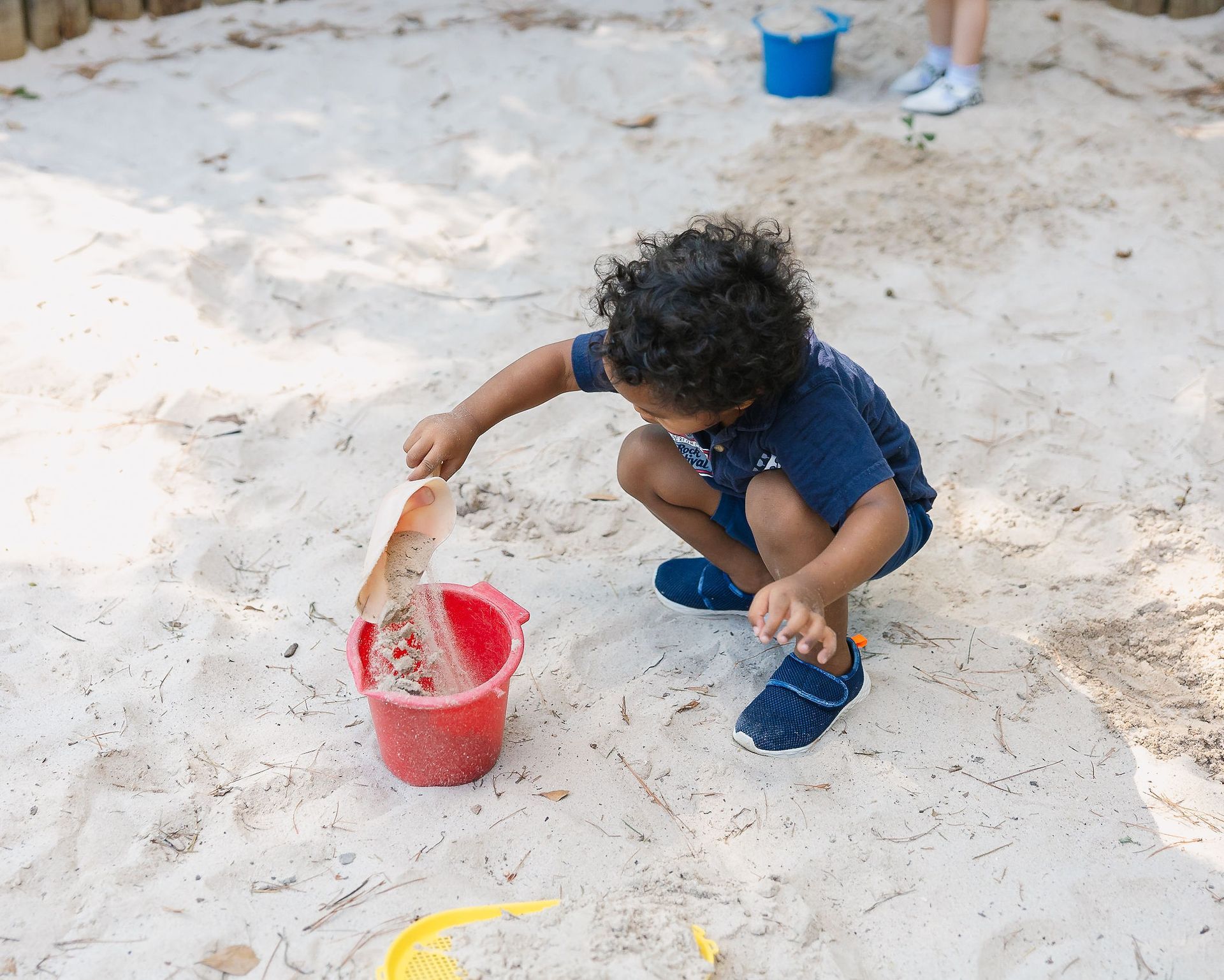
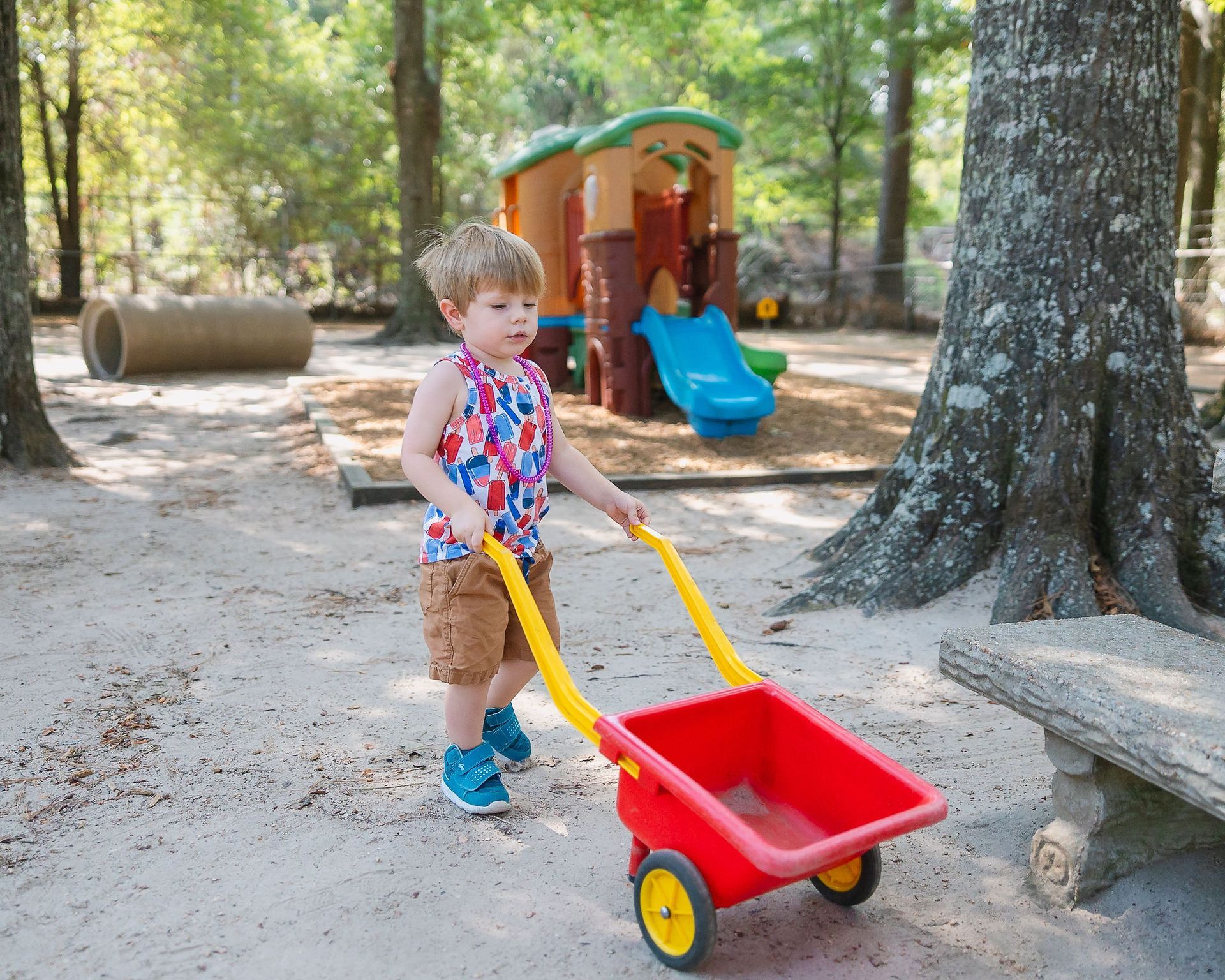
We can support young children by offering activities that invite maximum effort. This begins with the natural motivation to slither and crawl, and it progresses to carrying heavy items while walking upright, pushing sturdy wagons, jumping, and climbing. When our little ones use their entire body in effortful ways, they become fully present and aware of their movements.
We can also help by using precise language for body parts. During bath time, or while supporting your child with getting dressed, you can naturally name each area. You might say, "I am washing behind your knee," "Push your heel down into your shoe," or "I am pulling the sleeve over your elbow."
As children grow into our Primary classrooms, they love games of imitation and movement, such as obstacle courses or collaborative games, which provide a playful way to hone body awareness.
Equipment and Habits to Avoid
Because children need abundant opportunities for free movement, it helps to look closely at our daily routines. The modern parenting landscape relies heavily on car seats, strollers, and plastic infant containers. We can inadvertently hinder a baby’s development of body schema by limiting their ability to stretch and move freely. Whenever possible, we can place them on a soft blanket on the floor to let them explore their natural range of motion.
It is also helpful to ensure children wear clothing that promotes easy movement and leaves their hands and feet bare when safe. Out of fear that newborns might scratch themselves, parents often cover their hands with mittens. This happens at the exact time infants need to explore their fingers and develop an awareness of how their hands move in space.
Additionally, prolonged use of pacifiers can sometimes blur physical boundaries, as the child begins to feel like the pacifier is an actual extension of their own body.
The key is to remember that children require constant sensory feedback to develop a healthy sense of where they are in space. This physical feedback builds a strong mind-body connection, laying the groundwork for true coordination.
The Ultimate Result: Confidence and Trust
When children enjoy these formative sensory-motor experiences, they develop a deep trust in the world and in their own capabilities. The self-confidence that emerges leads to a healthy integration of mind and body, an accurate perception of self, and a joyful, positive attitude toward life.
The carefully prepared environments at Northwood Montessori School are designed to allow children the freedom of movement necessary to build this physical and mental coordination. If you would like to observe how our Toddler and Primary classrooms support the development of the whole child, please
schedule a campus tour.
You might also like