What Is Grace and Courtesy in Montessori and Why It Matters So Deeply
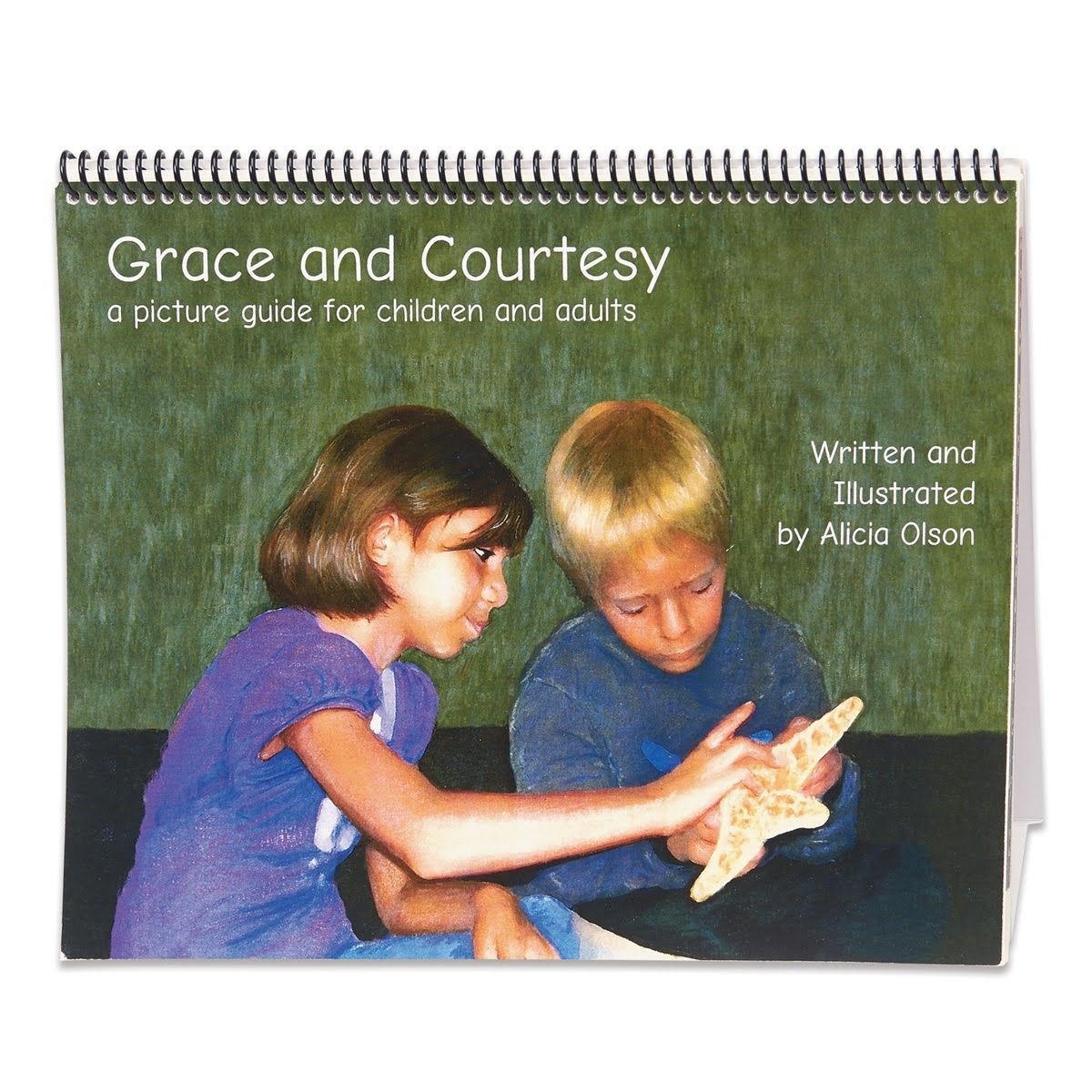
In a Montessori classroom, learning is not limited to letters, numbers, or materials on a shelf. Just as essential is how children learn to be with one another. One of the most powerful and often most misunderstood elements of Montessori education is Grace and Courtesy.
At Northwood Montessori, grace and courtesy is not an “add-on” or a behavior management strategy. It is a foundational practice that supports the child’s social, emotional, and moral development and helps create a peaceful, purposeful community where authentic learning can flourish.
What Is Grace and Courtesy?
Grace and courtesy are explicit lessons and daily practices that model respectful, kind, and socially aware behavior. These lessons give children the language, movements, and social tools they need to navigate their world with confidence and care.
Examples include:
- How to greet a friend or guest
- How to wait for a turn or observe quietly
- How to offer help—or how to decline it politely
- How to interrupt respectfully
- How to care for shared materials and shared spaces
These lessons are typically presented through short, intentional demonstrations, allowing children to observe first and then practice naturally in real-life situations.
Why Do We Practice Grace and Courtesy in Montessori Environments?
1. Children Are Building Their Social Identity
Dr. Maria Montessori recognized that children are actively constructing who they are in relation to others. Social behavior does not develop automatically—it must be modeled, named, and practiced.
Grace and courtesy lessons:
- Give children clear expectations for social interaction
- Replace correction and punishment with guidance and dignity
- Help children internalize respectful behavior rather than perform it for approval
When children know how to act, they are more likely to act with confidence and kindness.
2. Independence Requires Social Competence
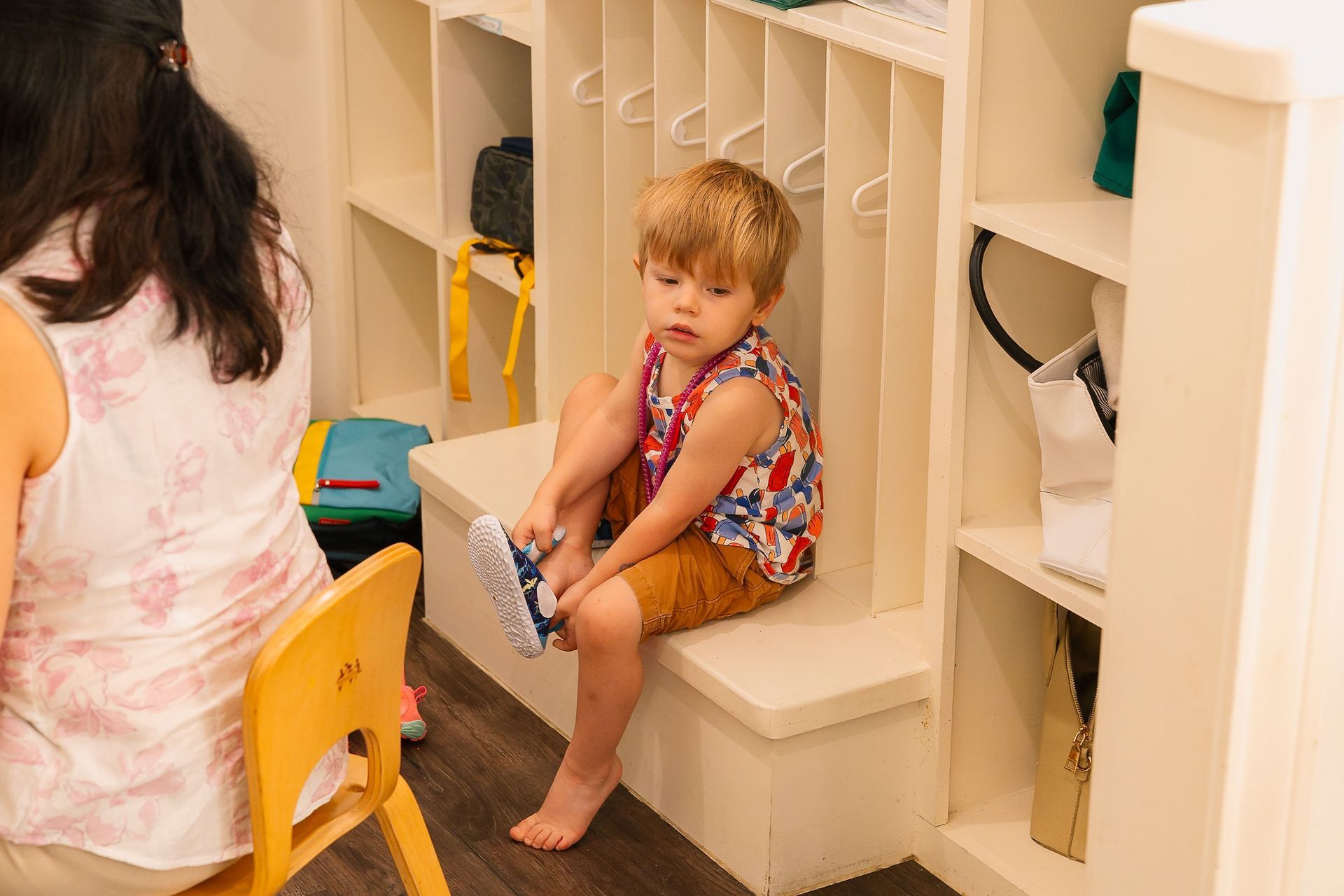
Montessori independence is not only about tying shoes or choosing work, it is also about navigating relationships independently.
Grace and courtesy supports independence by teaching children:
- How to solve small social conflicts on their own
- How to advocate for themselves respectfully
- How to collaborate without adult mediation
This social independence empowers children to function confidently in both the classroom and the wider world.
3. A Peaceful Classroom Is a Product of Preparation
Montessori environments are carefully prepared; not only with materials, but with social structures that allow many children to work together harmoniously.
Grace and courtesy:
- Reduces unnecessary conflict
- Creates predictability and emotional safety
- Allows children to focus deeply on their work
Peace is not enforced, it is cultivated through shared understanding and mutual respect.
The Deeper Benefits of Grace and Courtesy
Emotional Intelligence and Empathy
Through daily practice, children learn to:
- Recognize the feelings of others
- Respond with compassion
- Understand the impact of their actions
These skills form the foundation of empathy, a capacity that will serve them throughout life.
Strong Executive Function Skills
Grace and courtesy lessons strengthen:
- Impulse control
- Self-regulation
- Perspective-taking
These are critical executive functions that directly support academic learning, problem-solving, and emotional resilience.
A True Sense of Belonging
When children know how to contribute positively to a community, they feel:
- Valued
- Capable
- Connected
Grace and courtesy fosters a classroom culture where every child belongs, regardless of age, ability, or temperament.
How Grace and Courtesy Helps Children Long-Term
The benefits extend far beyond the Montessori classroom. Children who experience consistent grace and courtesy practice often demonstrate:
- Strong communication skills
- Respectful leadership
- Confidence in social settings
- A natural inclination toward fairness and kindness
These are not short-term outcomes, they are life skills.
Grace and Courtesy as a Foundation for Peace
Dr. Montessori believed that education was the key to peace, and grace and courtesy is where that vision becomes tangible. By teaching children how to move through the world with respect and care, we are not only shaping capable students; we are nurturing thoughtful, compassionate human beings.
At Northwood Montessori, grace and courtesy is woven into every day because how children learn to treat one another matters just as much as what they learn.
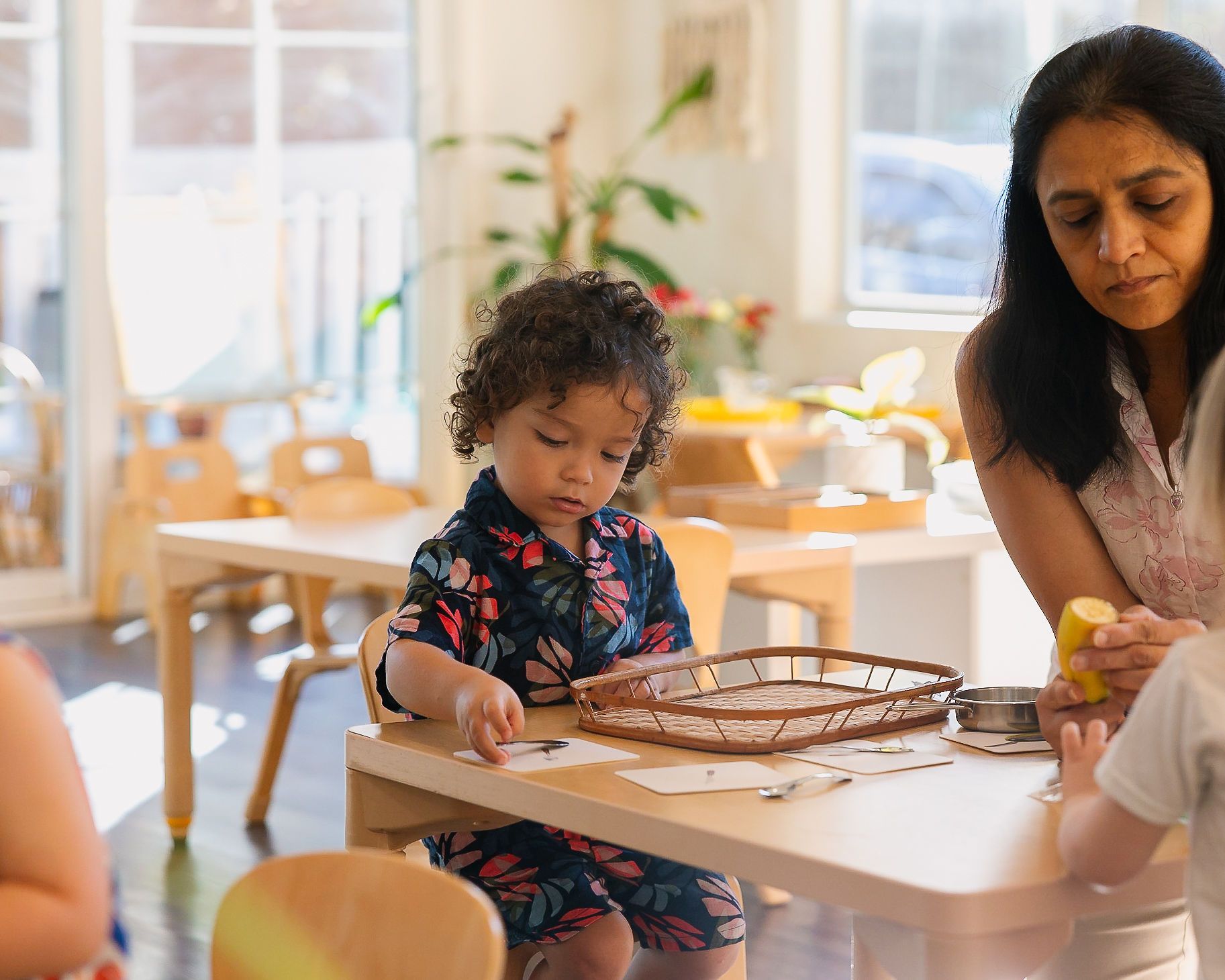
If you walk into our classrooms, you’ll see it in the quiet patience of a child waiting, the gentle words of a peer offering help, and the confidence of children who know they belong.
That is the lasting gift of grace and courtesy.
You might also like