The importance of the 0-6 years.
Understanding Sensitive Periods in Early Childhood: A Montessori Perspective (0 - 6 Years)
At Northwood Montessori School, our approach to early childhood education is rooted in the work of Dr. Maria Montessori and aligned with the standards of the Association Montessori Internationale (AMI). One of the most profound contributions Maria Montessori made to child development is the discovery of sensitive periods, critical windows of opportunity in a child’s growth from birth to six years.
Understanding sensitive periods helps parents recognize why the early years matter so deeply and how a high-quality Montessori school environment supports each child’s natural development.
What Are Sensitive Periods?
Sensitive periods are temporary phases in early childhood when a child is neurologically primed to acquire specific skills or knowledge effortlessly and joyfully. During these periods, learning happens almost unconsciously and with intense focus.
Maria Montessori observed that children are not randomly developing; instead, they follow a precise developmental timetable guided by inner drives.
“There is in every child a special sensitivity which leads him to absorb everything about him, and as soon as this sensitivity has passed, it is gone forever.”
- Maria Montessori
From an AMI Montessori perspective, this is crucial: once a sensitive period has passed, it does not return. Learning can still occur later, but never with the same ease, enthusiasm, or depth.
Key Sensitive Periods from Birth to Age Six
1. Sensitive Period for Movement (Birth - 4½ Years)
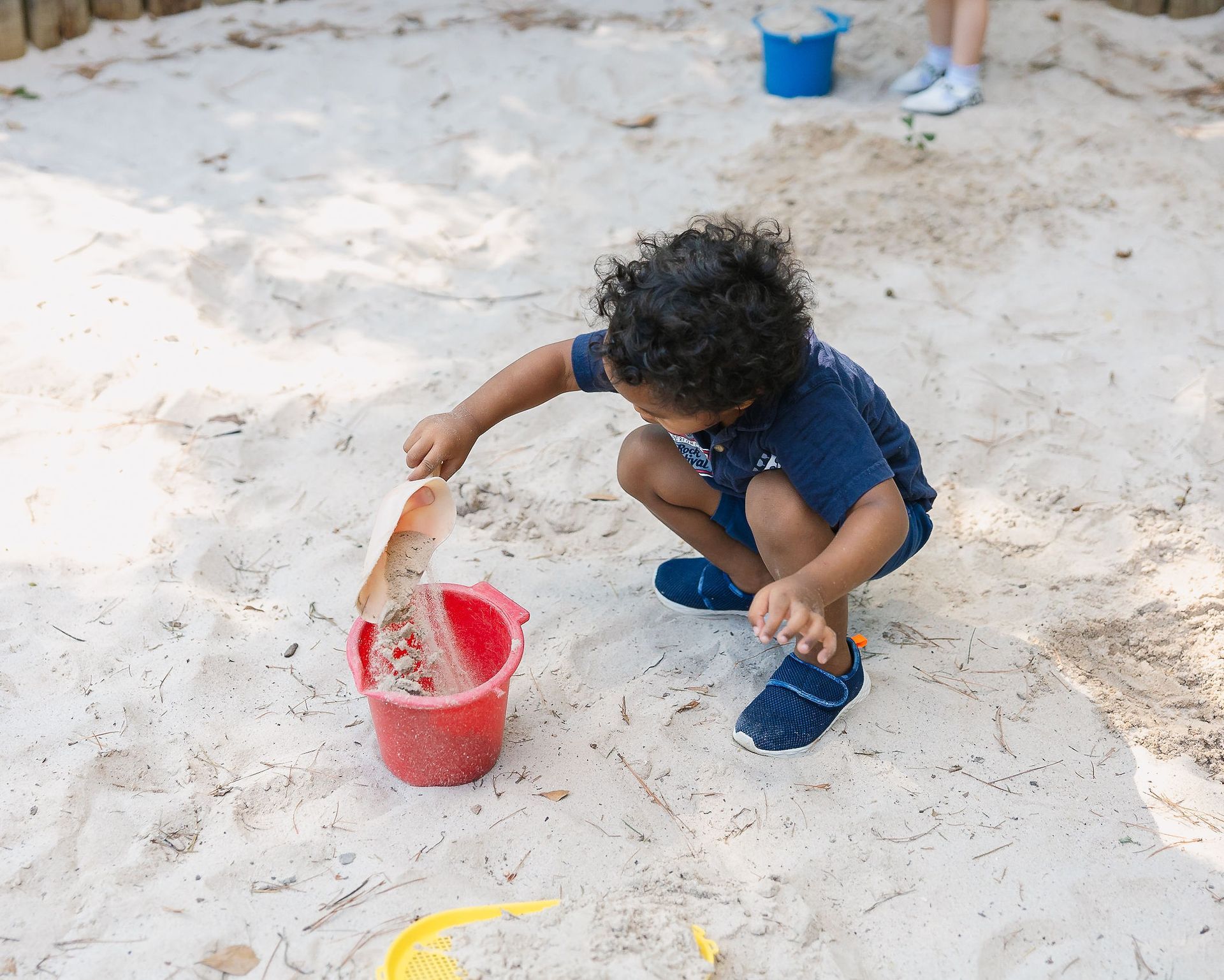
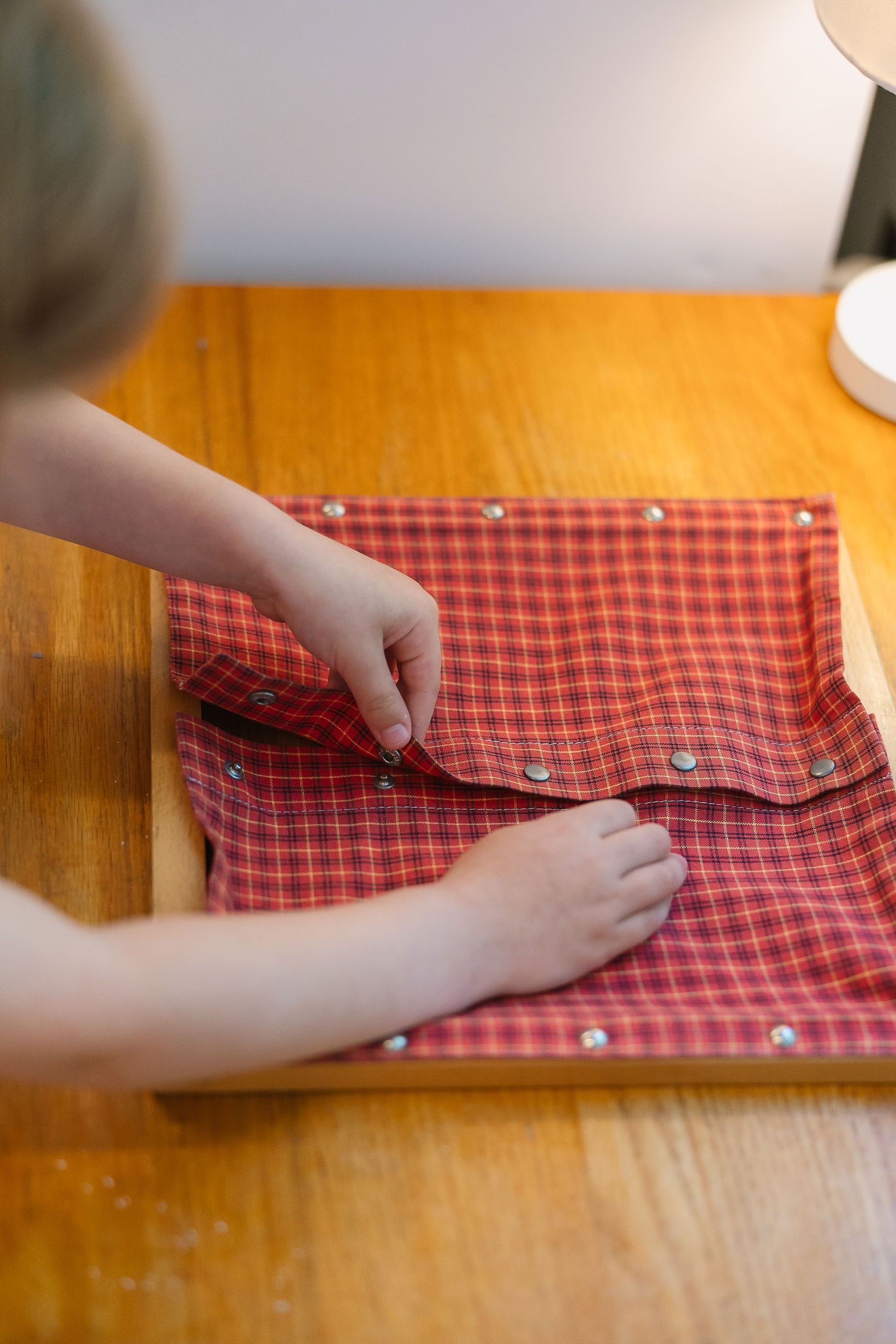
From birth, children are driven to move; not simply to burn energy, but to build the brain. Crawling, walking, climbing, carrying, pouring, and refining hand movements all support cognitive development.
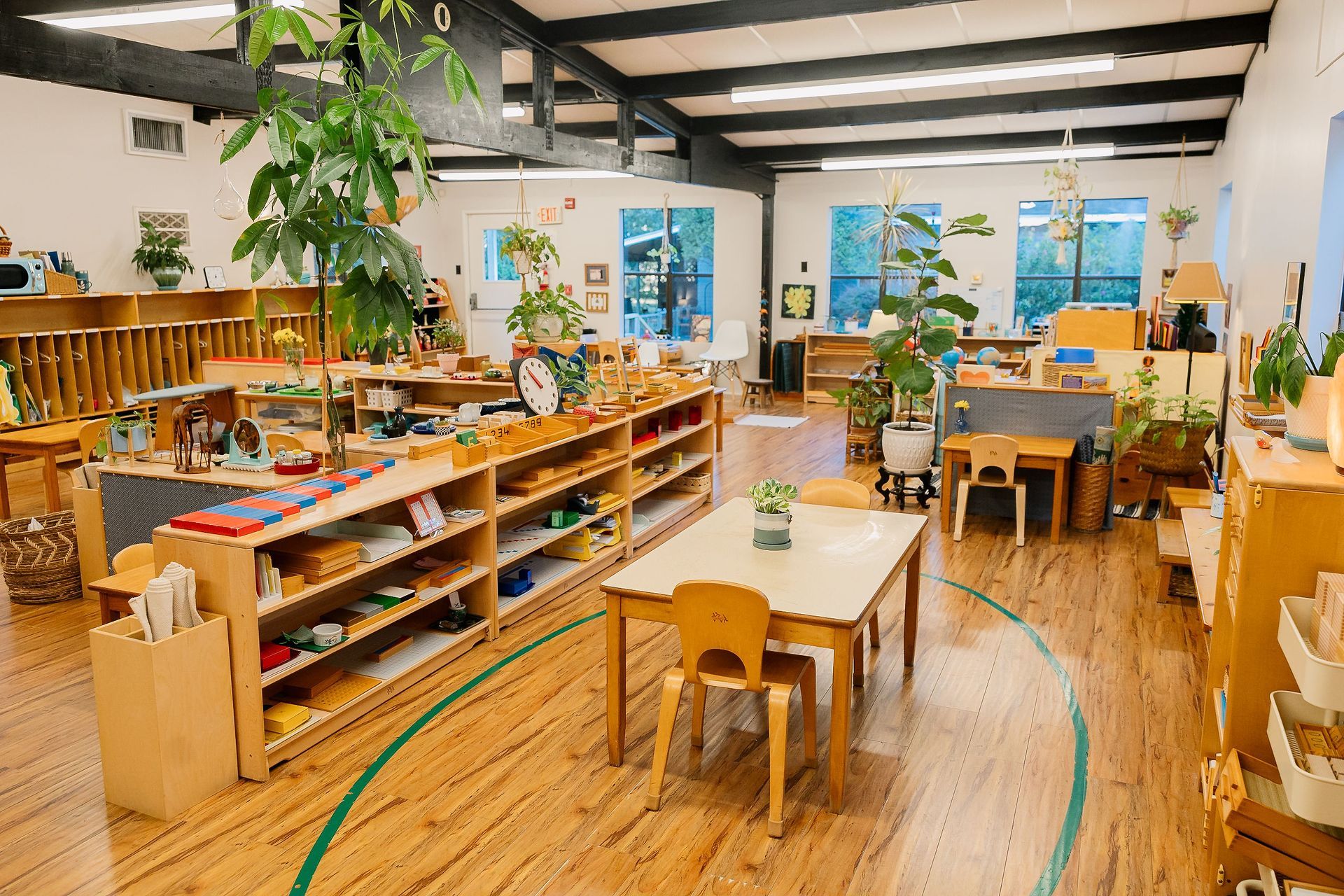
In a Montessori classroom, purposeful movement is encouraged rather than restricted. Child-sized furniture, open floor space, and hands-on materials allow children to develop coordination, balance, and independence naturally.
2. Sensitive Period for Language (Birth - 6 Years)
Language development begins at birth. Children absorb spoken language effortlessly, followed by vocabulary expansion, sentence structure, writing, and reading.
The Montessori prepared environment supports this sensitive period through:
- Rich, precise vocabulary
- Classified language materials
- Phonetic awareness and hands-on literacy tools
- Respectful, intentional adult language
This is why Montessori early childhood programs place such importance on oral language; phonics, and writing before reading, following the child’s natural developmental sequence.
3. Sensitive Period for Order (Approximately 1 - 4 Years)
Order helps young children make sense of the world. This includes physical order, routine, and consistency. When order is disrupted, children may show distress because their internal need is not being met.
The Montessori classroom is carefully structured, with:
- Consistent routines
- Materials always in the same place
- A logical progression of work
This external order supports the child’s internal emotional and cognitive organization.
4. Sensitive Period for Refinement of the Senses (2 - 6 Years)
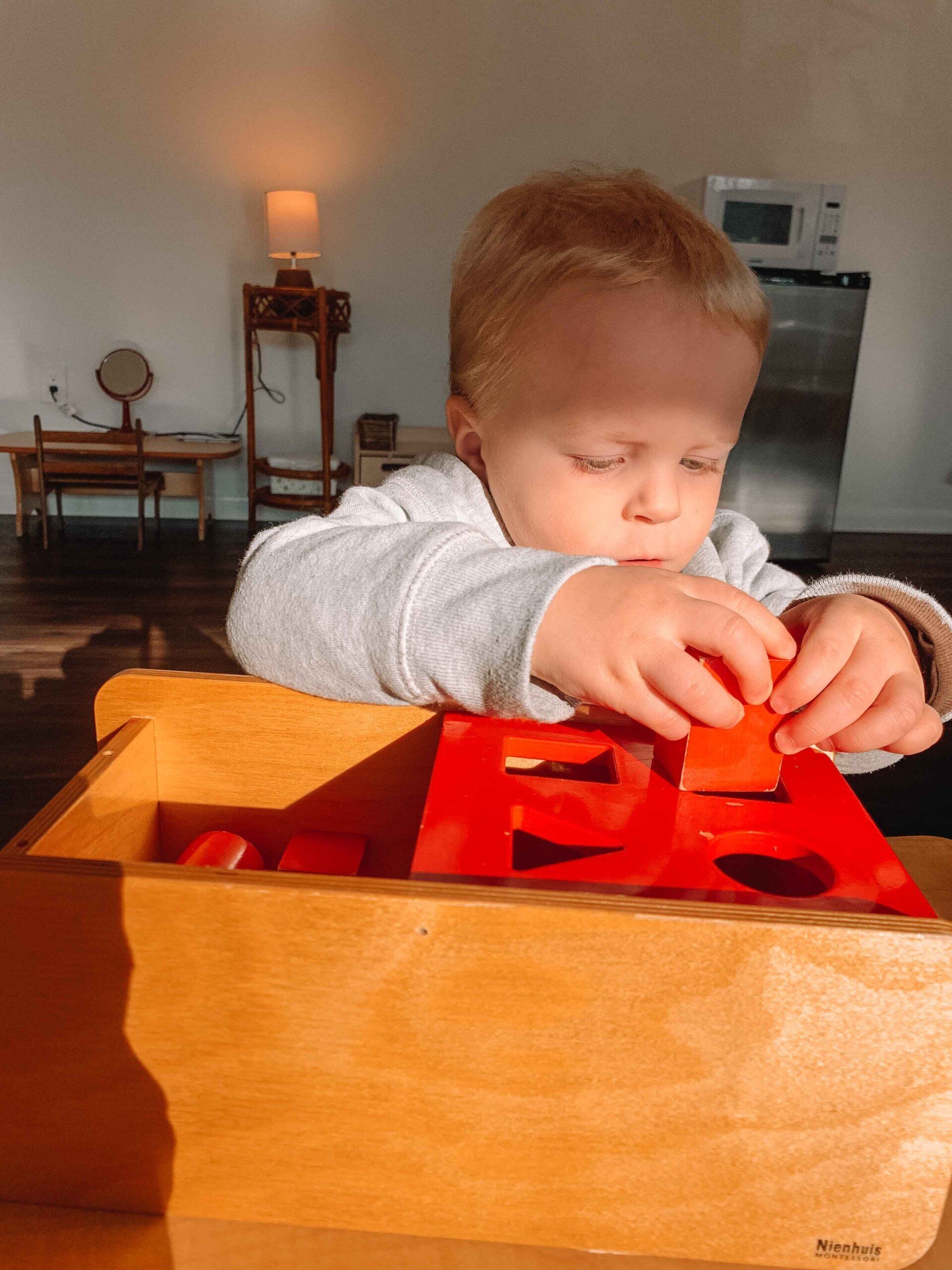
Children between two and six are driven to refine their senses; touch, sight, sound, smell, and taste. Montessori sensorial materials are scientifically designed to isolate specific qualities such as size, color, texture, weight, and sound.
Through repeated hands-on exploration, children build discrimination, concentration, and intellectual clarity, forming the foundation for later abstract thinking in mathematics and science.
5. Sensitive Period for Social Development and Grace & Courtesy (2½ - 6 Years)
Children are naturally drawn to understanding social relationships, cultural norms, and respectful behavior. Montessori environments explicitly support this through Grace and Courtesy lessons, modeling kindness, empathy, patience, and collaboration.
Mixed-age classrooms allow children to:
- Learn from older peers
- Develop leadership and responsibility
- Practice cooperation in a real social community
Why Sensitive Periods Matter So Much
From an AMI perspective, sensitive periods are non-negotiable realities of human development. When supported at the right time, children develop:
- Independence
- Confidence
- Self-discipline
- A lifelong love of learning
When missed or suppressed; development can still occur, but often with greater effort and frustration later in life.
This is why high-quality Montessori education from birth to six years is so impactful.
How Northwood Montessori School Supports Sensitive Periods
At Northwood Montessori School, our classrooms are carefully prepared to meet the developmental needs of each child exactly when they arise. Our AMI-aligned Montessori environment ensures that:
- Materials are developmentally precise
- Teachers are trained to observe and respond, not direct
- Children are free to follow their natural interests within a structured framework
- Each child progresses at their own pace
Rather than forcing learning, we protect and honor the sensitive periods, allowing development to unfold as nature intended.
Investing in the Most Important Years
The years from birth to six are not simply preparation for school, they are the foundation for life. Maria Montessori showed us that when we respect sensitive periods and provide the right environment, children reveal their full potential.
At Northwood Montessori School, we are honored to guide children and families through these critical early years with care, precision, and respect for the child.
You might also like