Montessori Education and a Neighborhood School: A Case Study of Two Early Childhood Education Classrooms
“Montessori education offers an educational experience that creates opportunities for students to engage in learning opportunities that are self-directed, exploratory, and based upon individual learners. As such, Montessori education may be thought of as culturally responsive, as it is based upon classroom learners.”
“...the flexibility of Montessori experiences allows students, particularly students of color, to express themselves and be themselves without assimilating to the norm within more-typical classroom settings.”
- Family engagement had increased.
- Montessori had a positive influence on the children’s learning.
- The model had been successfully implemented within the larger conventional school.
- Over time, students were able to more clearly express their individual selves.
- Montessori grace and courtesy lessons helped build relationships within the classroom.
You might also like
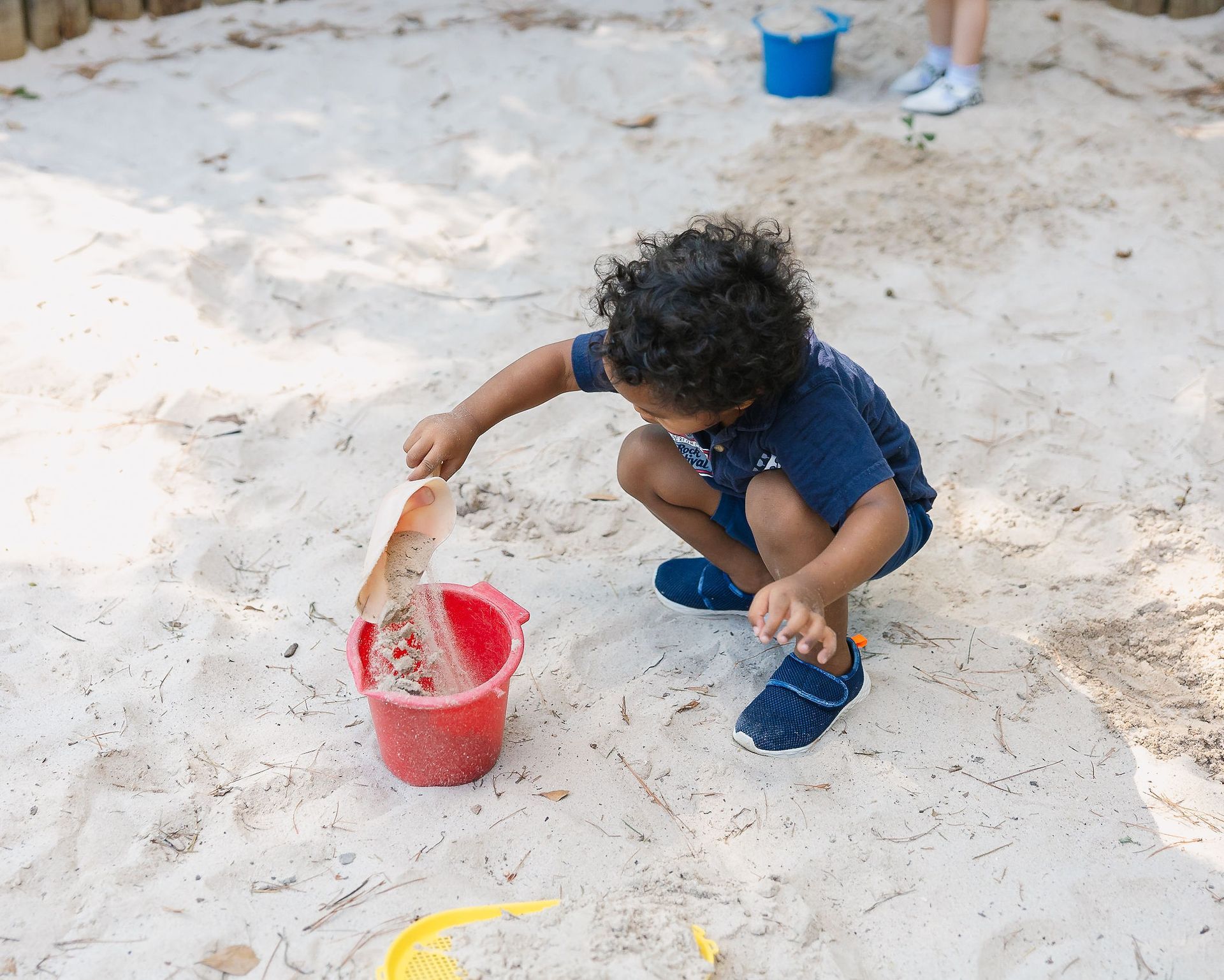
Discover how self-directed play builds independence and creativity in young children, plus practical tips to foster open-ended exploration at home.
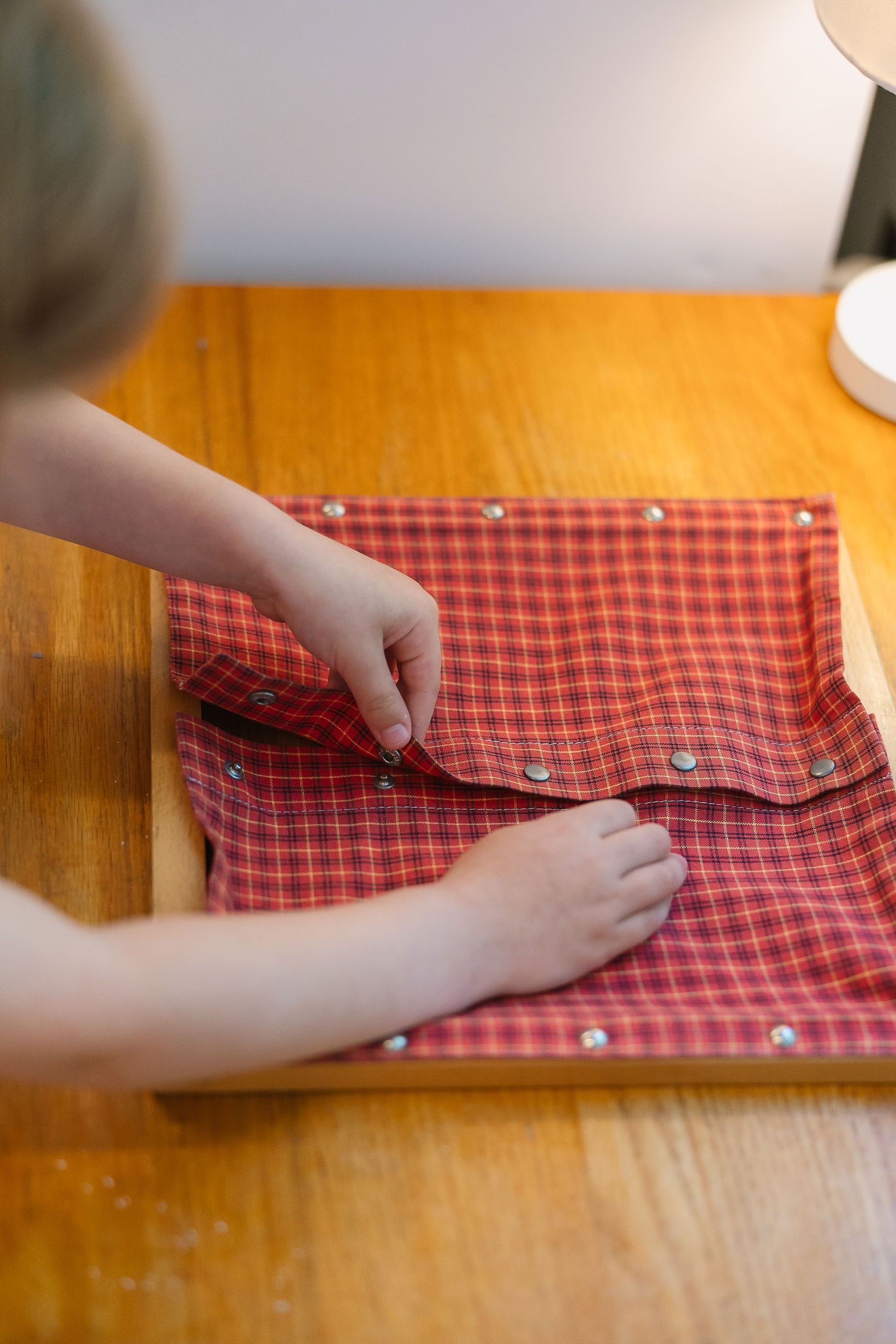
Explore how young children build independence from birth to age six, and learn how parents and Montessori environments support each developmental step.
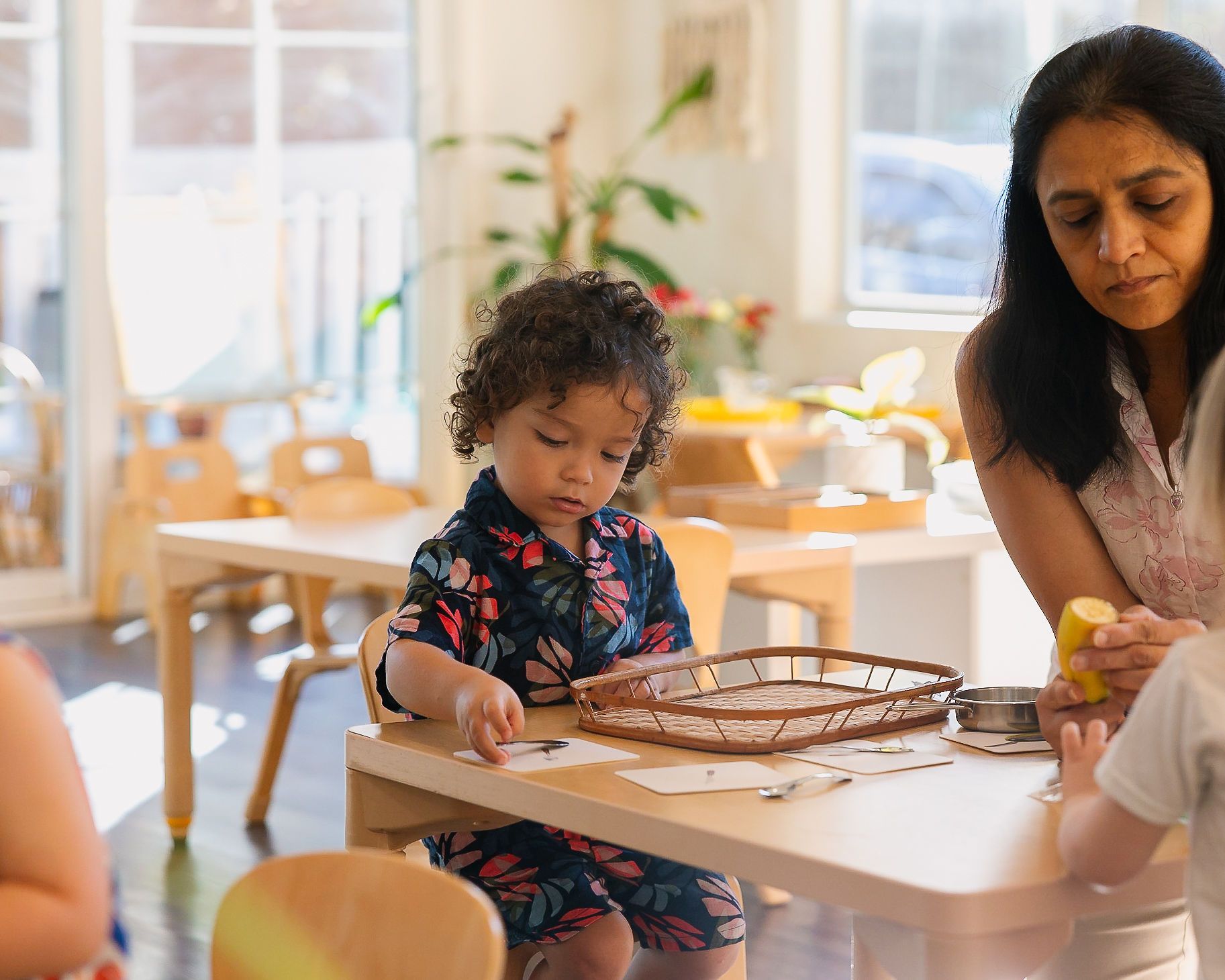
Discover how the symbiotic period builds trust and security for your infant, and how early attachment creates the foundation for future independence.