The true purpose of Montessori work is not creating products, it is supporting the development of the whole child
One of the most common questions parents ask in a Montessori school is:
"Why doesn’t my child bring home worksheets, crafts, or projects every day?"
In a traditional setting, parents often expect to see a finished product as evidence of learning. But in a Montessori environment, especially in the toddler and primary years, we place far greater value on the process than the product. This is because the young child is not simply completing tasks, the child is actively constructing himself.
The Montessori Understanding of Child Development
Maria Montessori observed that young children learn differently than adults. During the first six years of life, children possess what she called the absorbent mind, a unique capacity to unconsciously absorb everything from their environment. Through purposeful activity, movement, repetition, concentration, and independence, the child builds intelligence, coordination, language, self-confidence, and personality.
The goal is not to produce something for display.
The goal is the development of the child.
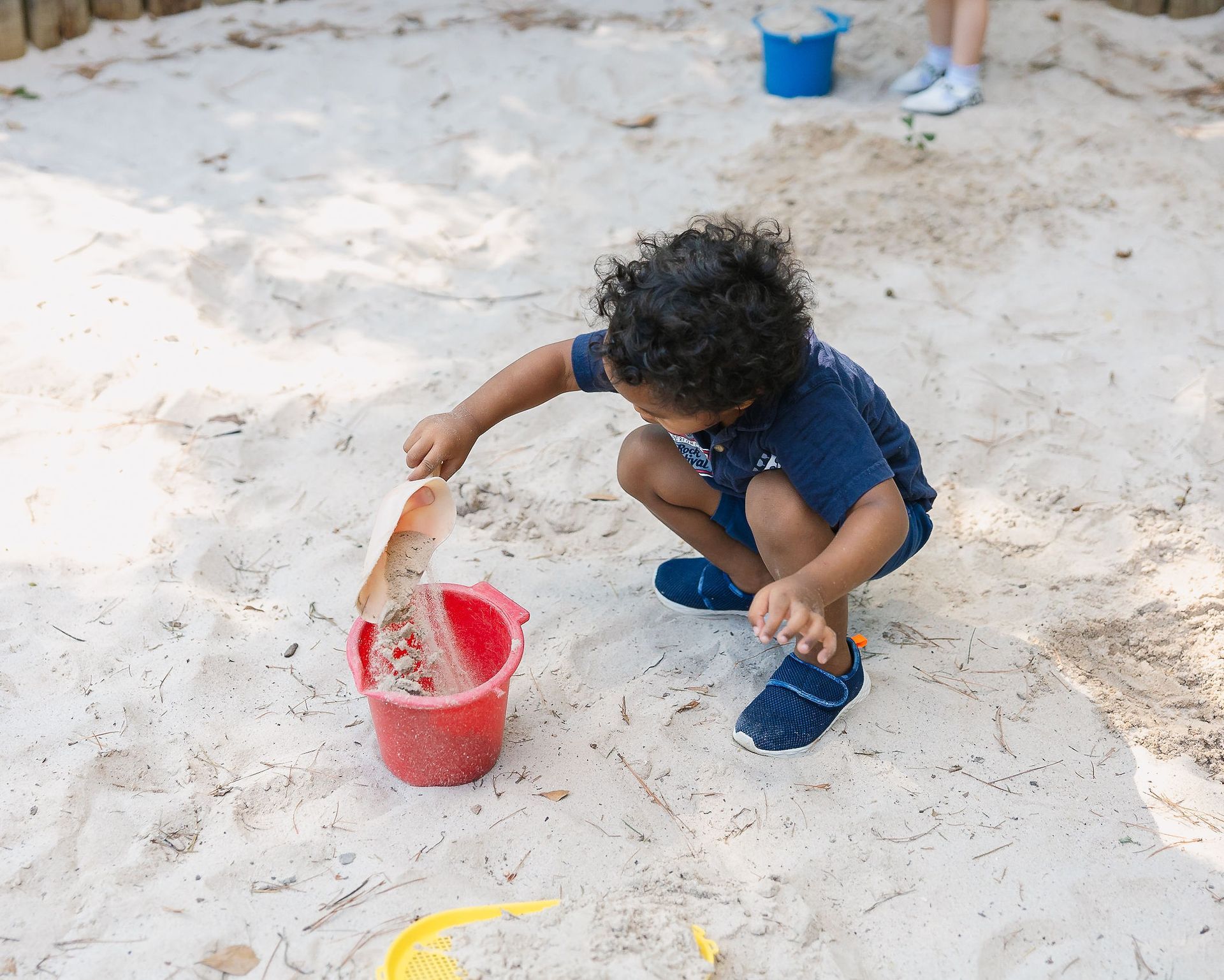
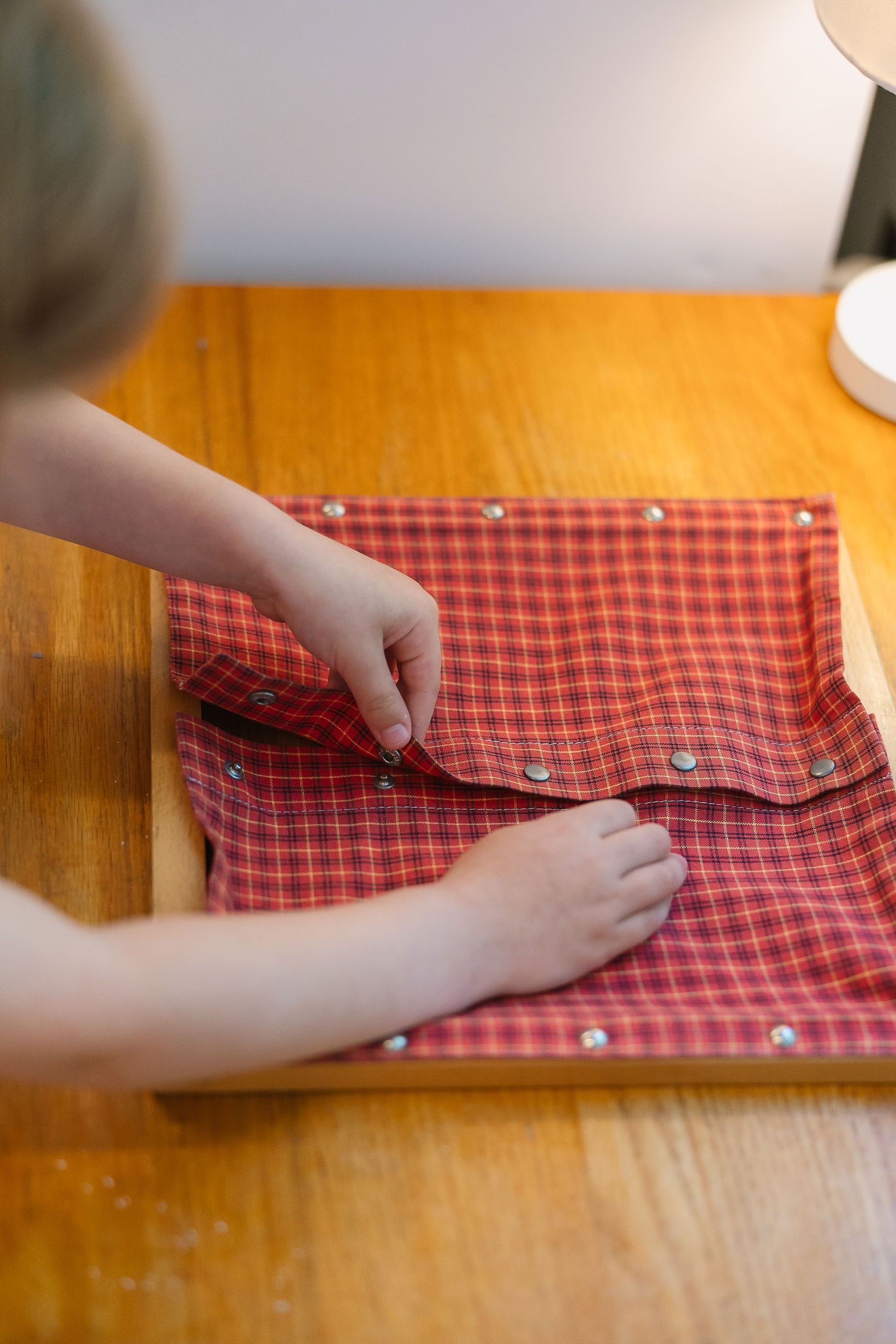
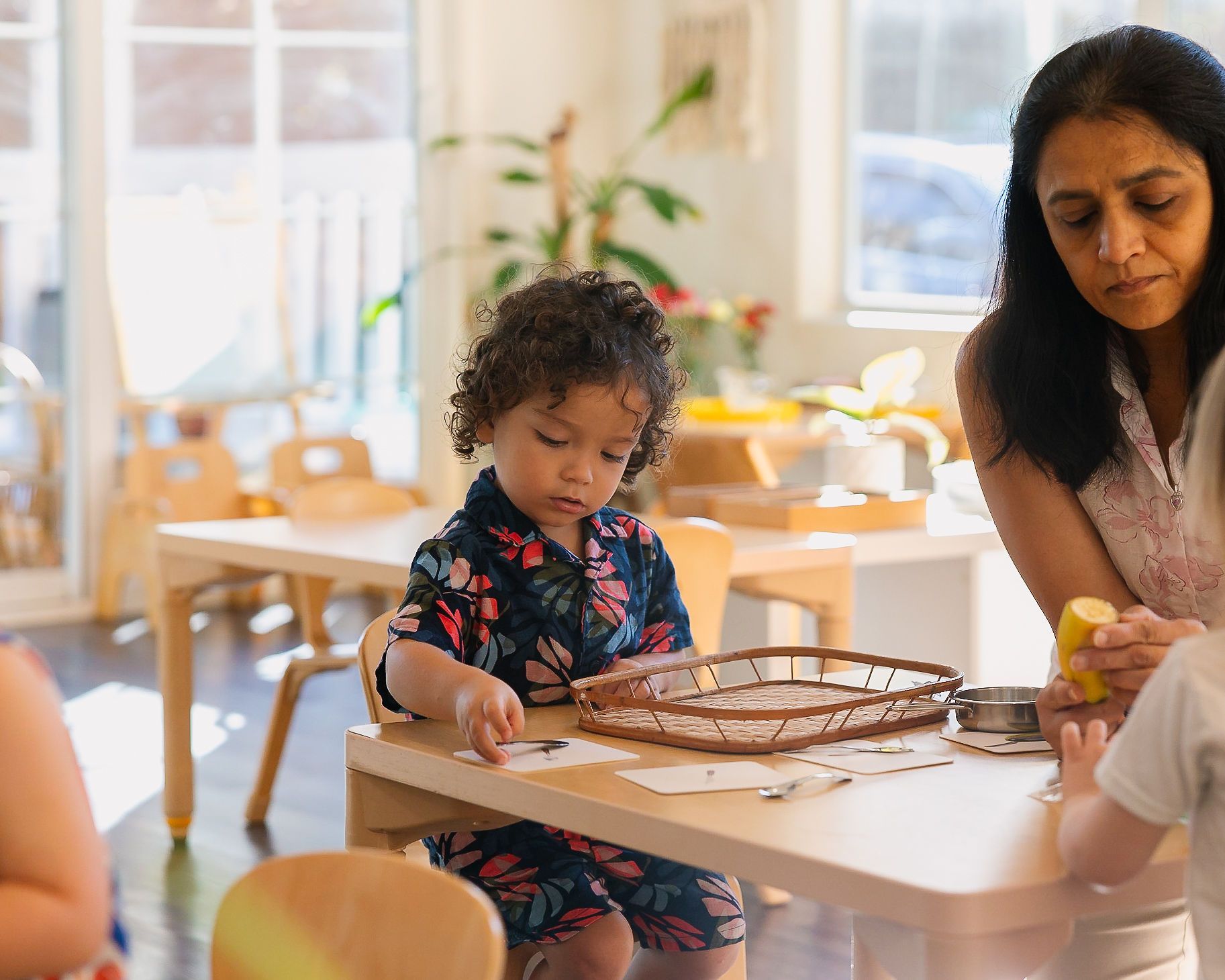
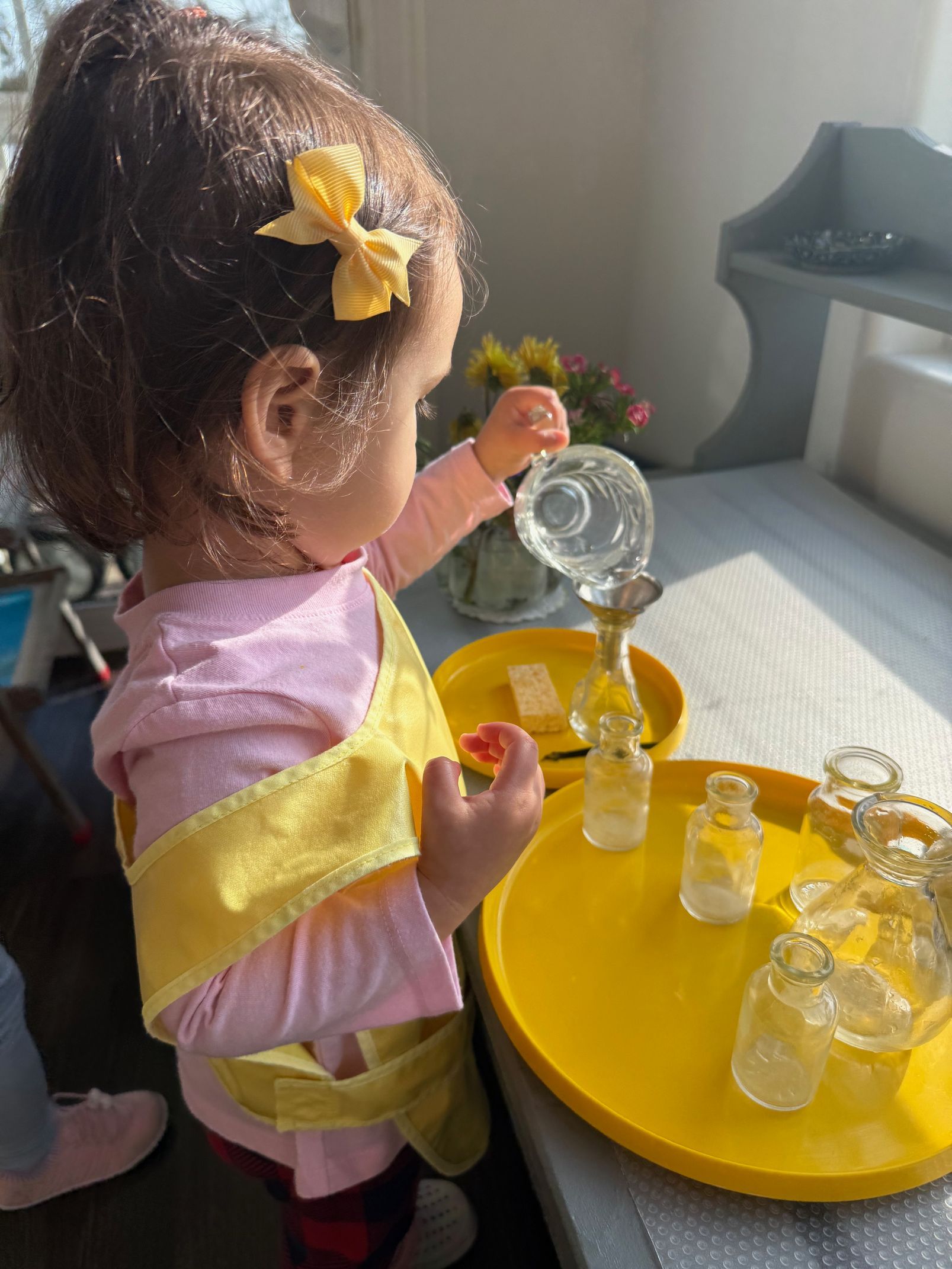
When a toddler carefully washes a table, carries water without spilling, peels a banana independently, or repeats a pouring activity ten times in a row, it may not appear “academic” from an adult perspective. Yet internally, tremendous work is taking place.
The child is developing:
- concentration
- coordination
- order
- independence
- confidence
- fine motor control
- problem-solving skills
- executive functioning
- intrinsic motivation
These foundational abilities cannot always be sent home in a folder.
The Importance of Process Over Product
In Montessori education, we are careful not to interrupt a child’s natural developmental process by placing unnecessary emphasis on external results, praise, rewards, or constant production.
When adults focus primarily on the final product like the perfect craft, the completed worksheet, the “cute” project, the child can begin working for adult approval rather than for the deep internal satisfaction that comes from meaningful activity and mastery.
This is especially important in the toddler and primary years.
A child who spends thirty uninterrupted minutes polishing a mirror, arranging flowers, tracing sandpaper letters, building the pink tower, or washing hands is engaging in work that supports the formation of the mind and personality. The repetition itself is essential. Through repetition, the child refines movement, strengthens neural pathways, and develops the capacity for concentration.
Often, what appears simple on the outside is profoundly complex within the child.
“Help Me Do It Myself”
Montessori classrooms are intentionally designed to support independence and self-construction. Rather than adults doing everything for the child, we prepare an environment where children can participate meaningfully in their own care and learning.
This is why you may see children:
- preparing snack independently
- cleaning spills without assistance
- dressing themselves
- caring for plants
- washing dishes
- choosing and returning work
- repeating activities by choice
These experiences are not “extra” activities. They are the curriculum.
The process of doing these things independently develops a capable, confident child who feels secure in his or her abilities.
Why Some Work Does Come Home and Some Does Not
Children in Montessori classrooms certainly create art, practice writing, explore mathematics, and engage in beautiful academic work. However, not every meaningful experience results in a take-home product.
Many of the most important lessons are internal:
- the ability to focus
- perseverance through difficulty
- coordination of movement
- grace and courtesy
- self-discipline
- joy in learning
- care for others and the environment
These are the invisible foundations of lifelong learning.
Sometimes a child may spend an entire morning deeply engaged in activities that leave no paper evidence behind yet that morning may have been extraordinarily productive for the child’s development.
Trusting the Child’s Developmental Journey
Montessori education asks adults to shift their perspective.
Instead of asking:
“What did my child make today?”
We begin asking:
“Who is my child becoming?”
At Northwood Montessori, we carefully observe each child’s development and prepare an environment that supports concentration, independence, confidence, and a genuine love of learning. We trust the child’s natural developmental process and understand that the most important growth often cannot be measured by the amount of paperwork sent home.
The work of childhood is not simply producing things.
The true work of childhood is the construction of the self.
You might also like