Focused on Friends (or Frenemies!)
During their elementary years, it can seem like our children are only focused on friends (and frenemies!). We hear about what happened at recess or who they sat with at lunch. They come home with elaborate accounts of being wronged. It’s easy to begin to wonder what they are really learning at school!
In Montessori we always try to understand what is happening developmentally, so we can address children’s needs and offer the best forms of support. When we consider our six- to twelve-year-olds, it’s pretty apparent how they are intensely focused on peers!
Physical Changes
As children approach the age of six, it’s easy to see the physical changes of middle childhood. Their hair becomes coarser. They lose that soft baby skin. Their first teeth begin to fall out. Their bodies become more stretched out. It is as if our children literally become rougher!
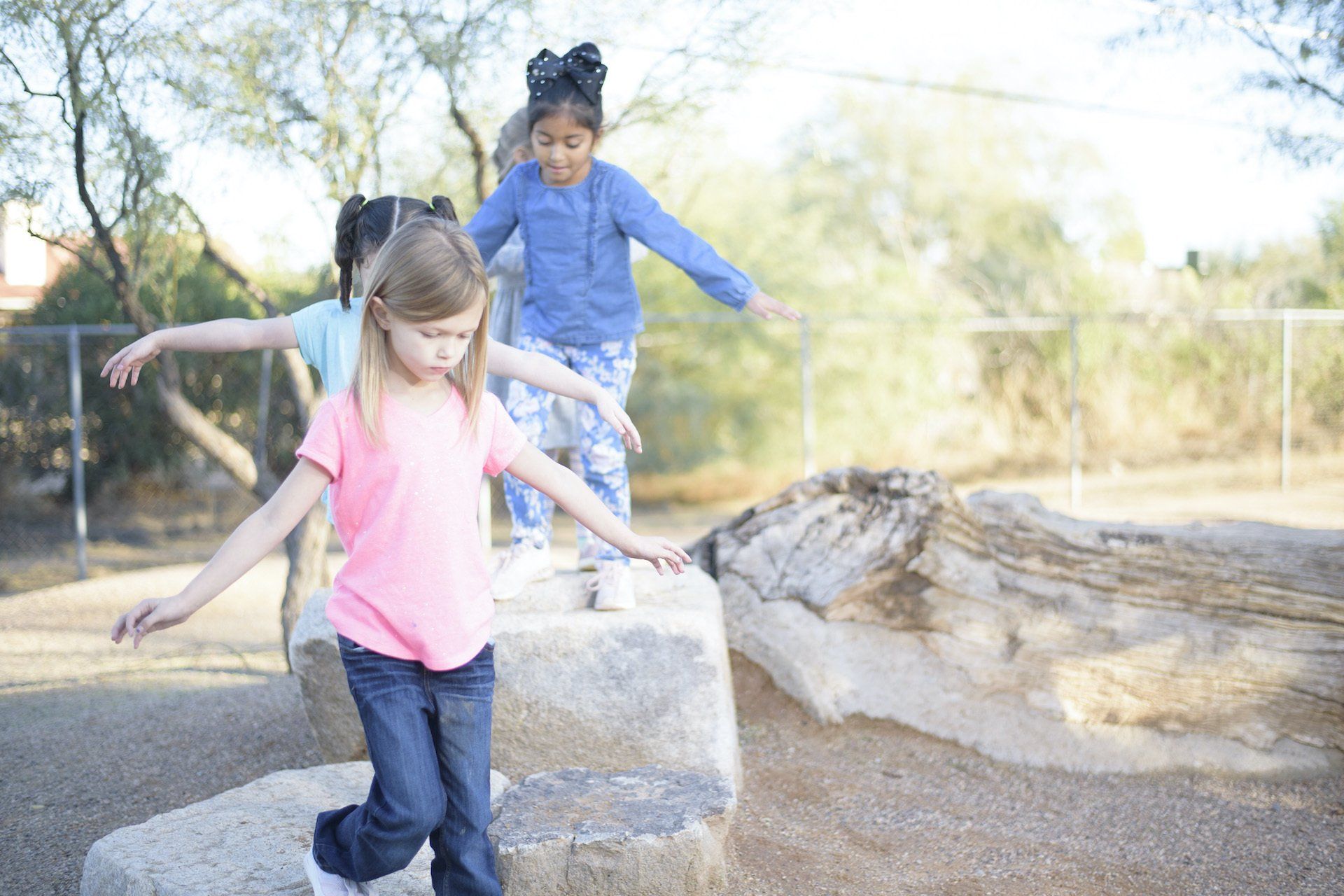
In addition, they have incredible physical stamina and can ride bikes, swim, climb trees, and play games from dawn to dusk. This newfound toughness means they are less likely to make a fuss over scrapes, bruises, or falls. Often neatness and cleanliness no longer seem to matter and we may find ourselves offering multiple reminders to comb hair, change clothes, brush teeth, or even take a shower.
A Focus on Friends
In addition to these physical changes, elementary-age children are also shifting how they relate to others. They are developing their moral compass during a time in their lives when their thinking is still pretty black and white. As a result, they are regularly trying to evaluate what is happening with everyone around them. This is when tattling can take center stage. When they come to report someone else actions, it’s often their attempt to figure out if the choices others made were right or wrong. Elementary children are trying to make sense of the rules, including how a group is organized: who leads, who follows, and what sacrifices need to be made.
In addition, elementary-age children begin to want to extend themselves beyond their family structure. This is when we start to see them separate from us as parents. They might walk ahead on the sidewalk or be reluctant to hold hands. What was previously a long goodbye at the start of the day shifts to a quick wave as they head down the sidewalk. They want to stretch beyond the bounds of home, and even past the school walls. They seem to constantly ask for playdates and sleepovers. Sometimes it can be hard to keep up with what is happening in their social world!
All of these shifts are part of normal development. In fact, it’s not just nice for elementary-aged children to be involved with their peers: it is essential for their social-emotional development. This is when children are trying to figure out who they are in relation to their friends.
Montessori Support
In Montessori, instead of working in opposition to this development, we use it to our advantage. Rather than relegate this social time to lunchtime or recess, we give lessons to small groups of children and encourage collaboration. When you come to visit our elementary classrooms, you might see a handful of children working through the steps of long division together as they navigate if 23 goes evenly into 2,425, or two students constructing the unfolding of events on an American History timeline, or a guide supporting four children sorting nouns by whether they are common, proper, abstract, or concrete.
For elementary children, there is incredible value in working with peers. Social learning comes first and foremost and opens the door for intellectual and academic pursuits. A reluctant writer can be inspired by a friend who wants to create a story together. Seeing classmates construct the periodic table can lead to an interest in learning about elements as building blocks of matter. Joining a group researching ancient Egypt can spark a lifelong joy of digging into history.
In Montessori, we also recognize that elementary-aged children need to go out beyond family and school bounds in order to practice taking steps in the broader world. To support this need, we offer opportunities for students to organize excursions based on their interests. A small group might arrange an interview with a local historian, visit a museum to see a style of art they have been studying, or even organize a trip to the store to gather supplies for a project.
At Home Support
Even though it can be hard to embrace some of the changes that emerge in the elementary years, it’s a great time to celebrate this new level of independence. Elementary-age children are more capable than ever before! The key is finding jobs and responsibilities that appeal to their sense of no longer being a little kid.
At home, we can explore opportunities for running an errand, which can start as simply as sending our kids to a different aisle in the grocery store to fetch an item from the list, or delivering a note to neighbors down the street. Eventually, they might want to take on additional jobs or responsibilities, like weeding the garden, mowing the grass, or stacking wood. Their physical stamina can be a gift as they take on bigger work at home.
When your child comes home complaining about the latest social event at school, take a deep breath and remember it’s developmental! Acknowledge their feelings and resist the temptation to want to solve the social drama of the day. Being a thoughtful and reflective listener allows our children to process and reflect on what they are experiencing in their little practice society.
If something sounds particularly concerning, it’s helpful to ask if they would like some help in solving whatever is coming up for them. Sometimes our kids just want to vent or air grievances, not unlike the times we may come home from work and just want to complain a bit. Yet it is also helpful to let our children know we can support proactive and respectful communication and problem-solving.
Although it may seem like our elementary children are only focused on friends, it’s a natural and healthy part of their development. In many ways, they are experimenting with and practicing what it means to live in a society. Our patient understanding and support will serve them well and provide hope for the future.
You might also like