Process, Self-Expression, and the Arts in the Montessori Environment
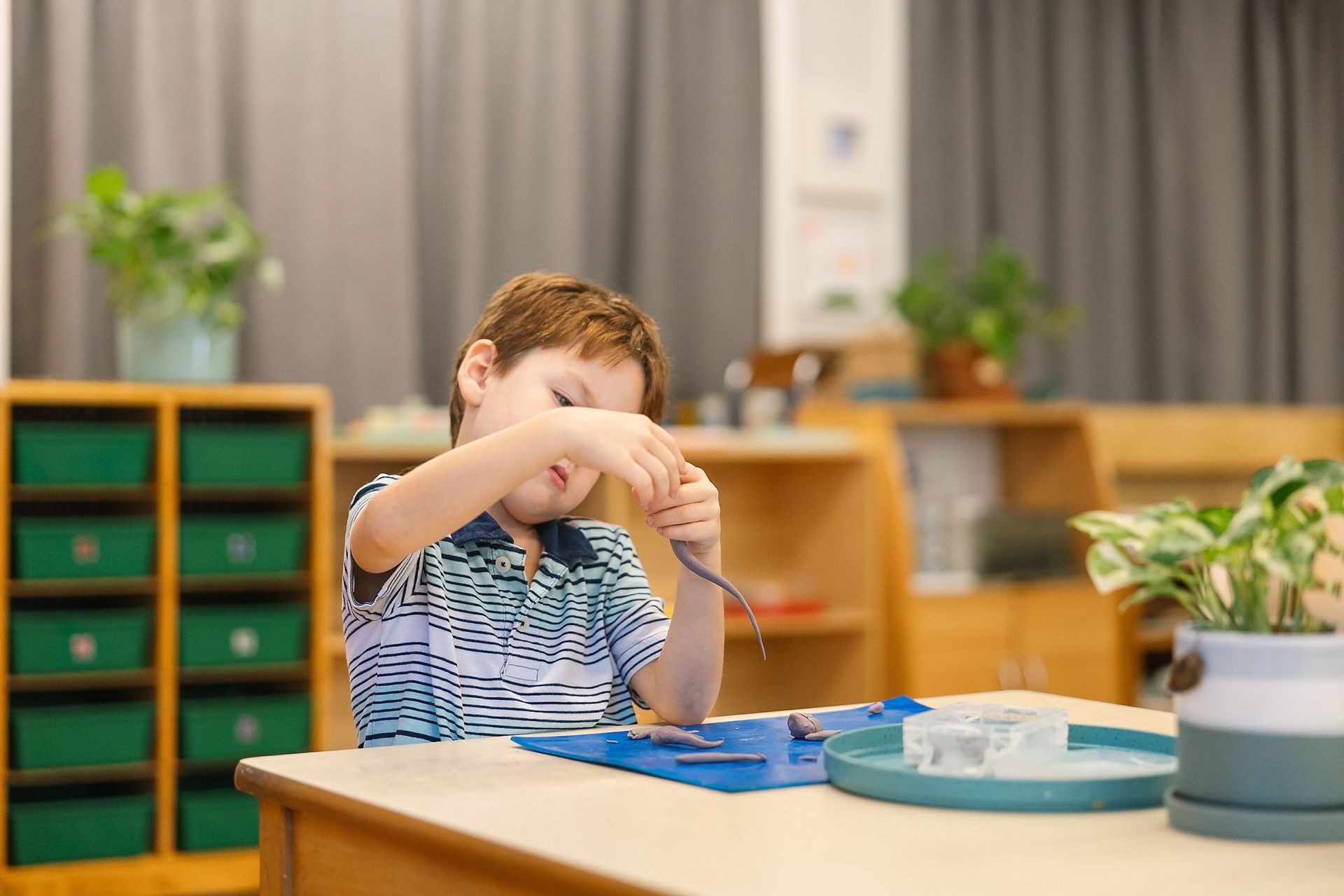
Numerous theories and a vast body of research frequently emphasize the profound importance of artistic expression in early childhood. For the young child, art is not merely a pastime. It is a vital form of personal communication and self-discovery.
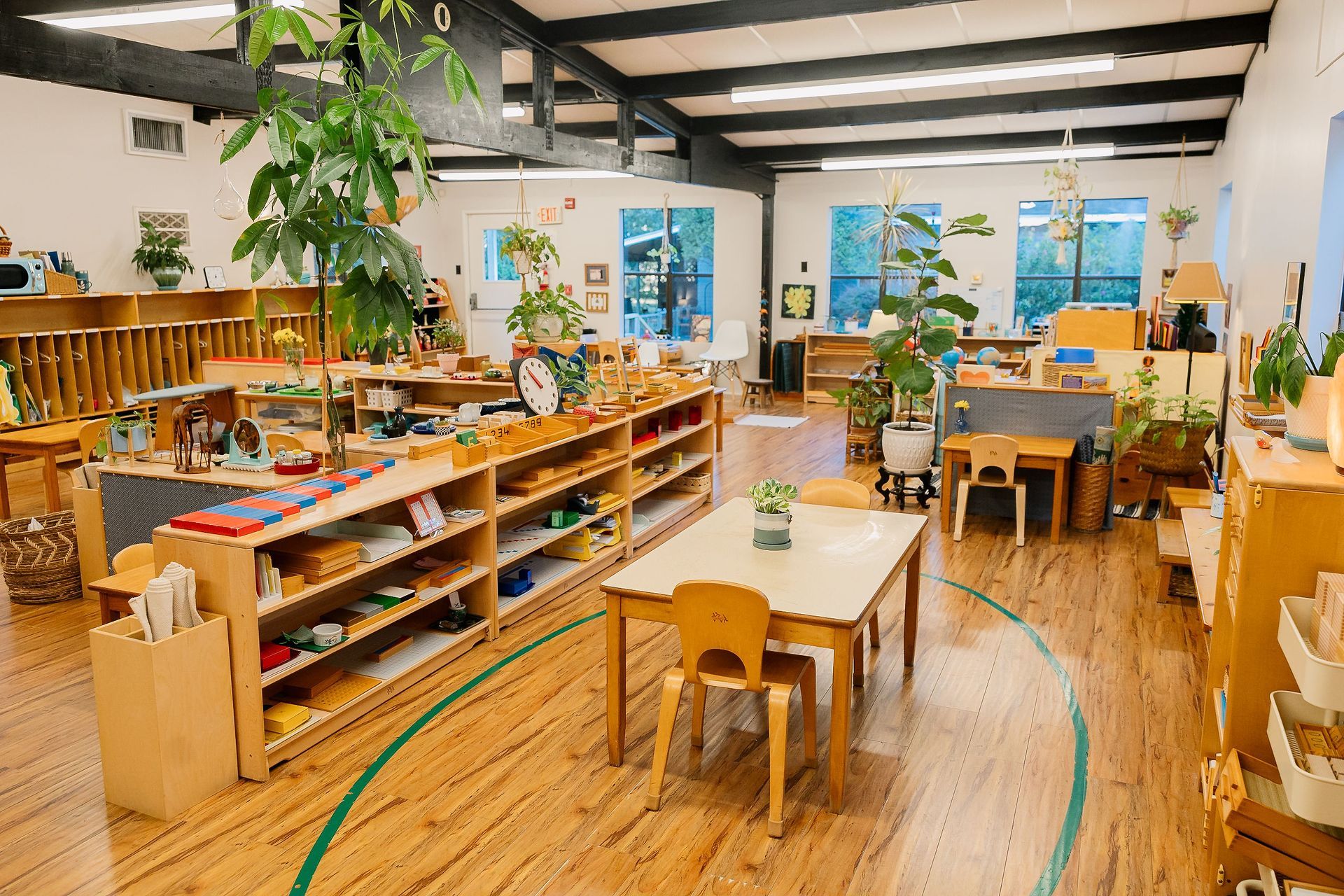
At Northwood Montessori School, where we have partnered with Houston families since 1975 to provide authentic AMI education, we understand that children need to experience their own creative process. Our goal is never to have them produce a standardized piece dictated by an adult. Instead, we honor the unique expressive needs of the child at each stage of their early development.
Process versus Product in the Early Years
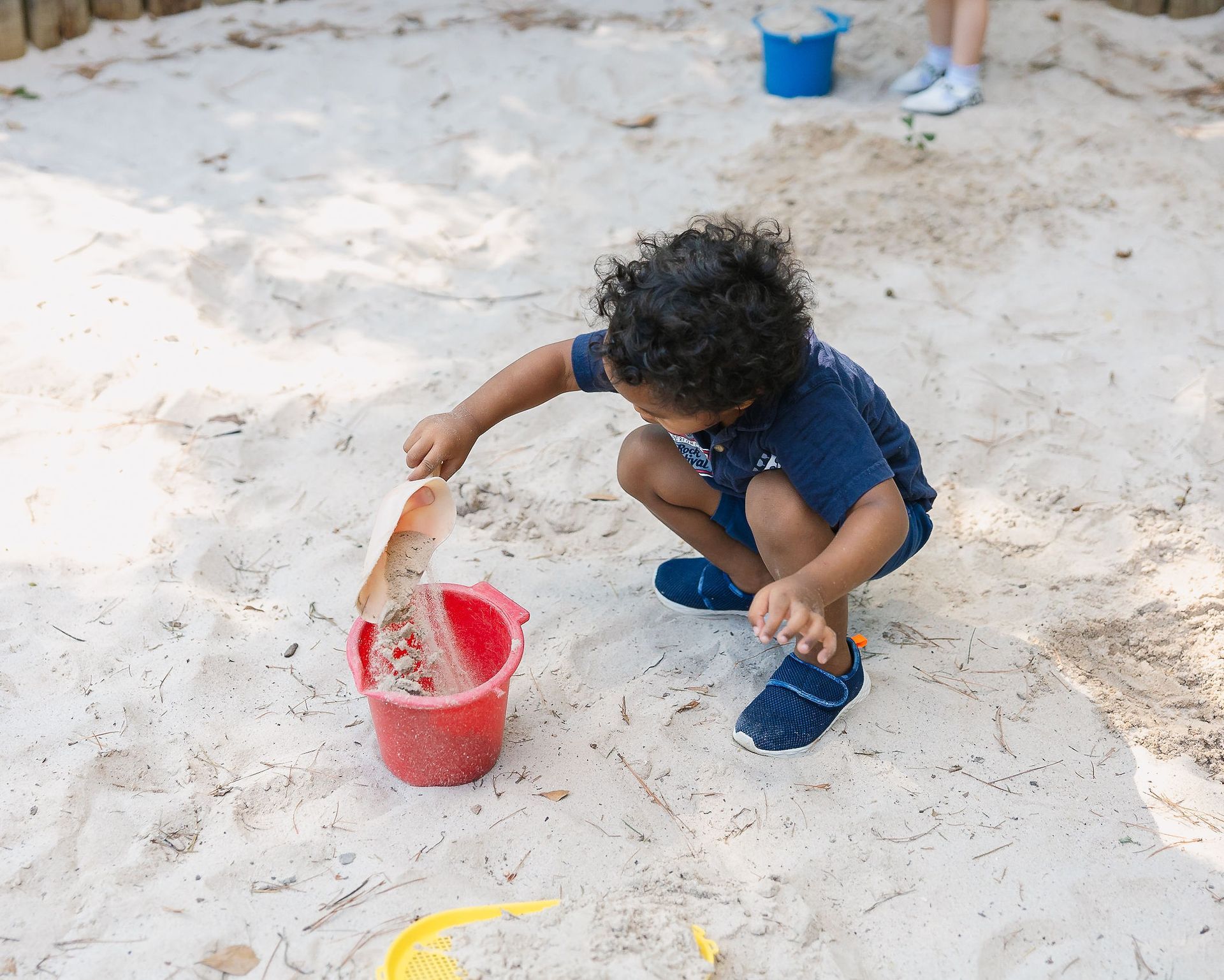
For toddlers and young children, the physical act of creating art is infinitely more valuable than the final product. When infants and toddlers engage with art materials, they are often expressing complex feelings and sensory discoveries that they do not yet have the verbal language to articulate. Because of this, our focus during these formative years is to offer a rich variety of artistic mediums rather than templates or coloring books.
In our environments, we introduce art materials by providing opportunities to work with larger physical spaces first, gradually moving toward smaller, more refined possibilities as the child grows. For example, a young child begins by painting at the easel, using large muscles of the shoulder and arm. As their hand-eye coordination refines and the fine motor muscles of the hand develop, we offer smaller pieces of paper, delicate brushes, and more intricate objects to paint.
The Purposeful Use of Tools
In a Montessori environment, art is treated with the same dignity and precision as any other area of purposeful work. We do not simply hand a child materials and step away. We carefully show them how to use and care for actual artistic tools.
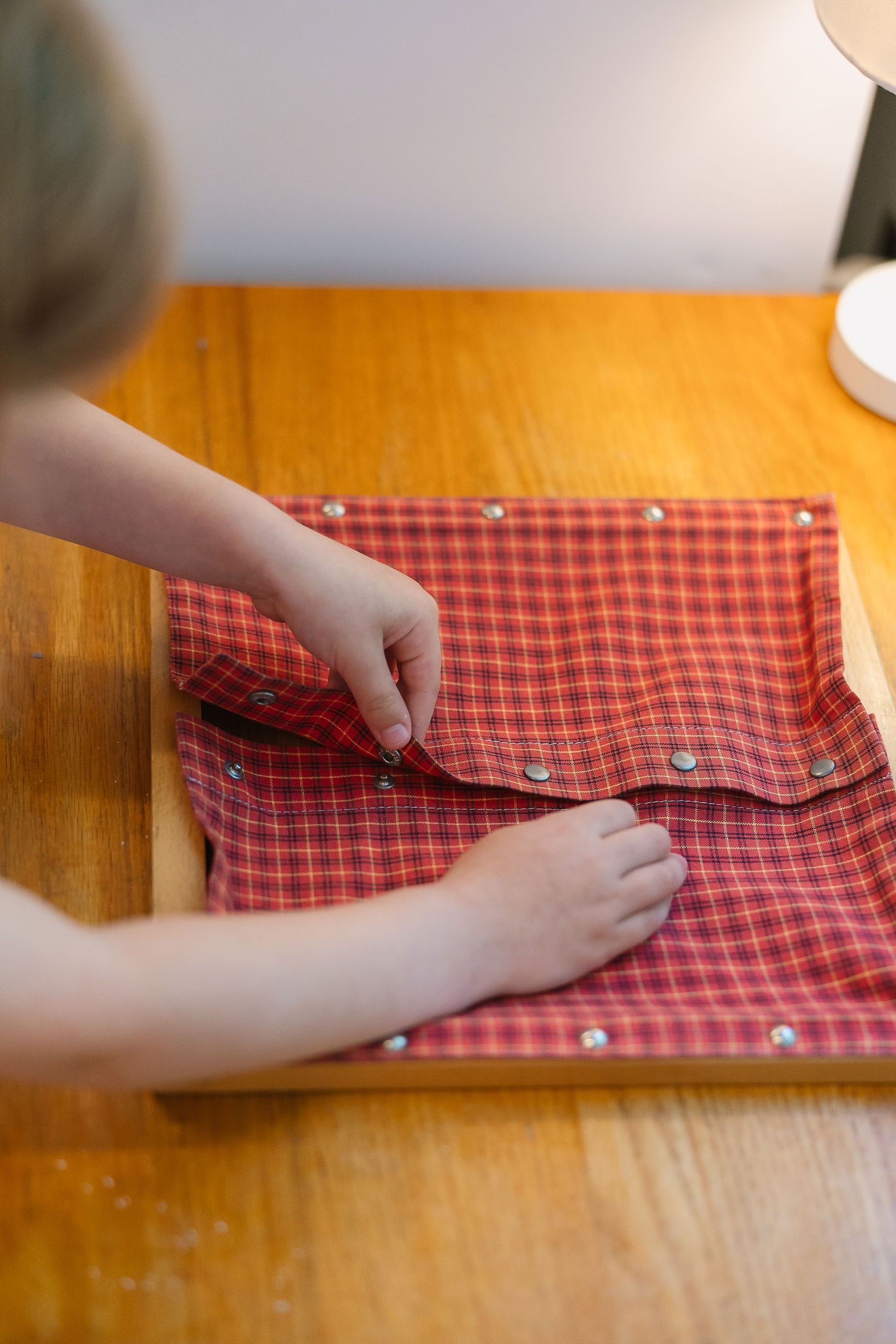
We demonstrate how to use just a touch of water and the tip of the brush with watercolor paints. We explore the distinct techniques required for chalk or crayons. As children progress through the Primary environment, we introduce fiber arts, showing them how to navigate simple weaving looms or basic sewing cards. Whatever the medium, we offer the high-quality tools required for successful, satisfying expression.
When introducing clay, for instance, the guide presents a complete, orderly sequence. We show the child how to carefully prepare the workspace, how to use techniques such as forming coils and slabs, how to safely use clay tools for cutting or carving, and how to properly store the clay so it remains pliable for the next person. We also share beautiful examples of sculptures in books or art history cards, giving the children a rich repository of inspiration when they choose to create.
The Intentional Adult Response
To truly support a child's creative independence, the adults in the environment must practice great restraint in how they respond to artwork. We utilize objective, descriptive language rather than subjective praise.
Instead of saying "that is beautiful" or "great job," we might say, "I see you used many intersecting lines here," or "you spent a long time working with the blue and red paint today."
We choose our words with care to avoid projecting our own interpretations or judgments. Young children are often exploring color, texture, and movement rather than trying to draw a specific object. By remaining objective, we ensure that we do not inadvertently create rigid expectations or cause the child to begin painting for adult approval.
In our Toddler and Primary communities, we never insist that a child participate in art, nor do we tell them what they should create. When a child chooses the art shelf, we grant them the uninterrupted freedom to lose themselves in the creative process. This ensures that the artwork leaving our classrooms is entirely individual, deeply creative, non-competitive, and authentic to the child who made it.
Laying the Foundation for Later Development
While our work at Northwood focuses intentionally on the profound developments within the Toddler and Primary years, the creative foundation built in these early environments prepares children for the entire continuum of growth.
As children transition into the elementary years and eventually into adolescence, their relationship with art changes. Older children begin to use art cognitively, often pursuing rigorous realism and integrating their creative projects with academic studies like history, geography, and science. Adolescents rely on the arts as a crucial emotional outlet, using music, drama, and visual arts to navigate questions of identity and peer connection.
By protecting the purity of the creative process during the Toddler and Primary years, we ensure that children view art as a safe, accessible, and deeply personal tool for the rest of their lives. They leave our school trusting their own hands and their own vision.
We invite you to
visit our campus to see this beautiful, joyful self-expression in action within our prepared environments.
You might also like