The Conquests of Independence: Supporting Your Child’s Journey from Birth to Age Six
As parents and caregivers, we hold a role that is both joyful and bittersweet. While we want to keep our children close, our ultimate purpose is to support them as they step confidently toward independence.
We expect dependence at the beginning of life, yet a newborn takes their very first step toward independence the moment they are born. From that first breath onward, young children are on a continuous journey to master their bodies, their minds, and their environment.
In AMI Montessori philosophy, we refer to these developmental milestones as "conquests of independence." When we understand this natural framework, we can better support our children as they grow. Here is a look at how independence unfolds across the first six years of life.
Birth to One Year: The First Steps Toward Trust
The first conquest of independence is birth itself. With the physical separation from the mother, infants begin to breathe and take in nutrition through their own effort. Throughout their first year, children achieve several key milestones:
- Movement: As infants learn to push up, sit, crawl, and pull themselves up, they gain locomotion. They no longer rely entirely on adults to move them from one place to another.
- Self-Feeding: The transition to solid foods at a weaning table allows infants to participate directly in mealtime. Using small, child-sized glasses and finger foods helps them learn to feed themselves rather than waiting for an adult to place food in their mouth.
- Time Alone: Healthy separation depends on secure attachment. Giving infants quiet time to explore their immediate surroundings without constant adult intervention builds early self-reliance.
- Early Communication: Crying, cooing, smiling, and eventually initial words allow infants to express their needs and begin their social journey.
One to Three Years: Movement, Language, and Self-Care
During the toddler years, children experience a dramatic explosion in physical capability and language. In our Toddler environment, we witness these milestones every day:
- Functional Movement: Once a child walks securely, their hands are freed to become tools for exploration. They can carry their own items, work with simple tools, and navigate their space.
- Toileting Independence: Stable walking opens the door to independent toileting, a major step in personal care.
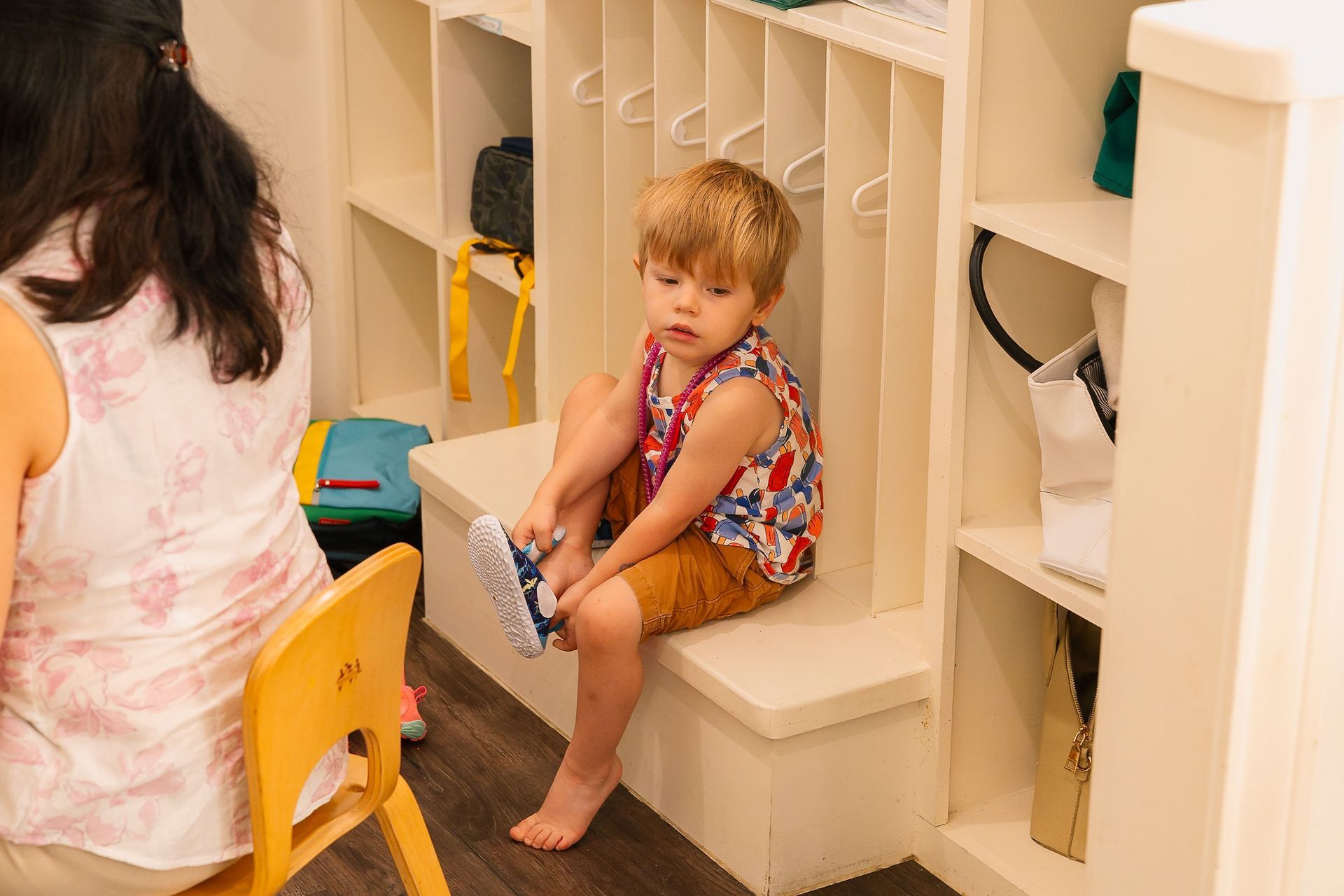
- Dressing and Hygiene: Toddlers begin learning to pull on their own pants, wash their hands independently, wipe their faces, and brush their hair.
- Care of the Environment: Children at this age love practical life activities. They are fully capable of wiping up small spills, sweeping crumbs, folding cloths, and returning work to a shelf.
- Exercising the Will: Toddlers need opportunities to make real, simple choices. Offering limited, purposeful choices allows them to practice decision-making and build inner discipline.
Three to Four and a Half Years: Expanding Social Skills and Dexterity
As children transition into our Primary classroom community, their capacity for independence deepens into purposeful work and community contribution:
- Separation and Trust: Entering a school environment represents a major conquest. Children realize they can thrive outside the family unit and learn to trust other caring adults.
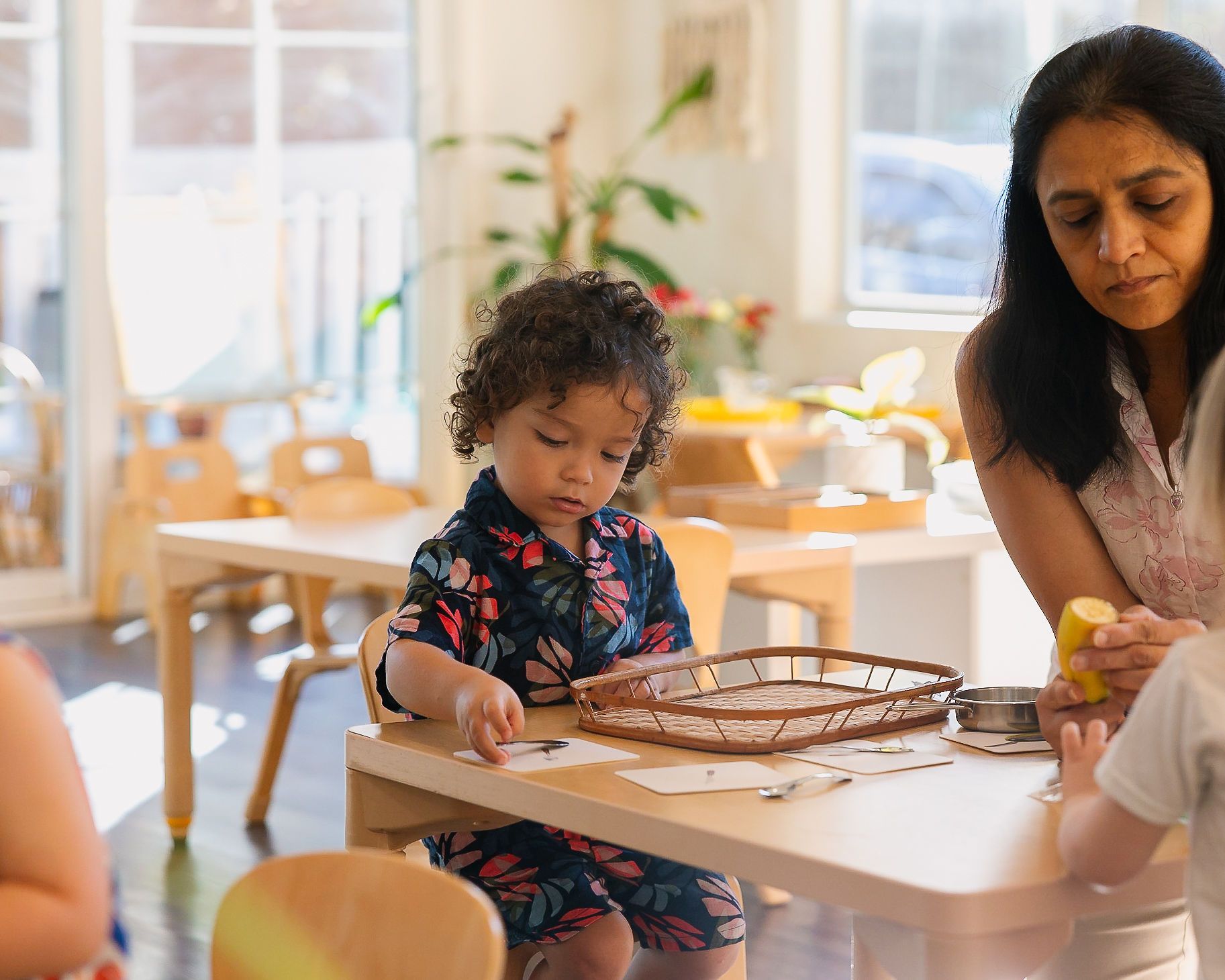
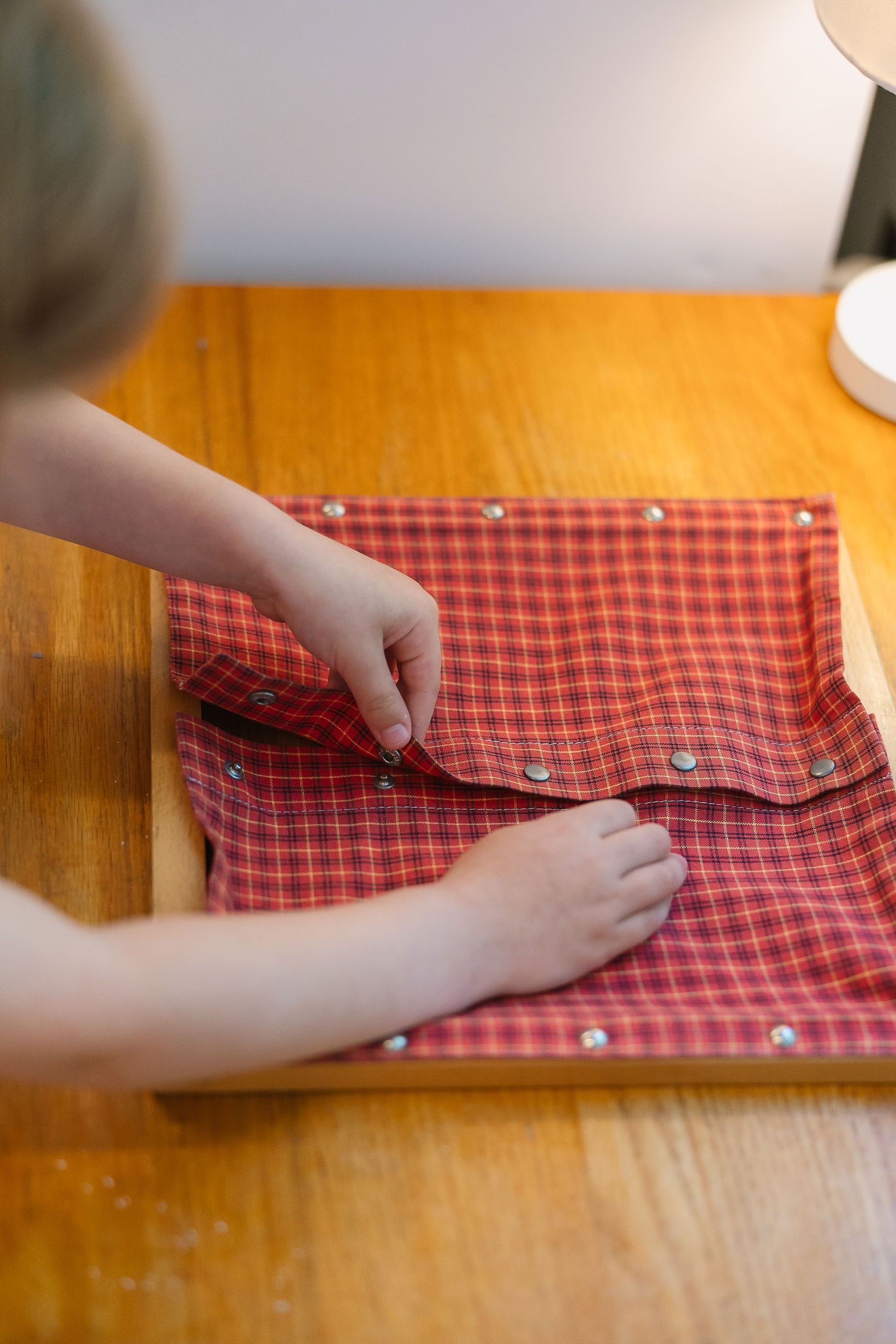
- Refined Motor Skills: Fine motor coordination develops rapidly. Children learn to use tools to prepare their own snacks, use utensils, and master fasteners like buttons, zippers, and buckles.
- Emotional Vocabulary: Children begin using precise language to express their feelings, resolving minor conflicts using words rather than reactions.
- Community Responsibility: Children take pride in caring for their classroom. They set tables, care for plants, and help maintain the order of the room, realizing their actions benefit the whole group.
Four and a Half to Six Years: Social Harmony and Academic Readiness
In the final years of the Primary cycle, the child's functional independence evolves into true leadership, empathy, and intellectual discovery:
- Social Independence: Older children internalize the social norms of their community. They push in their chairs, greet guests warmly, and respect the workspace of others without needing constant adult reminders.
- Helping Others: Mastery leads to mentorship. Older Primary children naturally assist younger classmates with dressing for outdoor play or choosing work.
- Empathy and Compassion: Children develop a genuine awareness of the feelings of others and offer help spontaneously.
- Intellectual Autonomy: Rather than rote memorization, children gain a deep, concrete understanding of math concepts and language symbols. They express their own thoughts through writing and discover the ideas of others through reading.
Supporting the Journey at Home and School
These conquests of independence are ultimately about helping a child become functionally independent, capable of saying, "Help me to do it myself." When we allow children the time, space, and child-sized tools to accomplish tasks on their own, we build their self-worth and resilience.
If you would like to see how our prepared Toddler and Primary environments foster natural independence for young children, we warmly invite you to
schedule a tour at Northwood Montessori School.
You might also like