The Joy of Self-Directed Play: How Open-Ended Exploration Builds Independent Thinkers
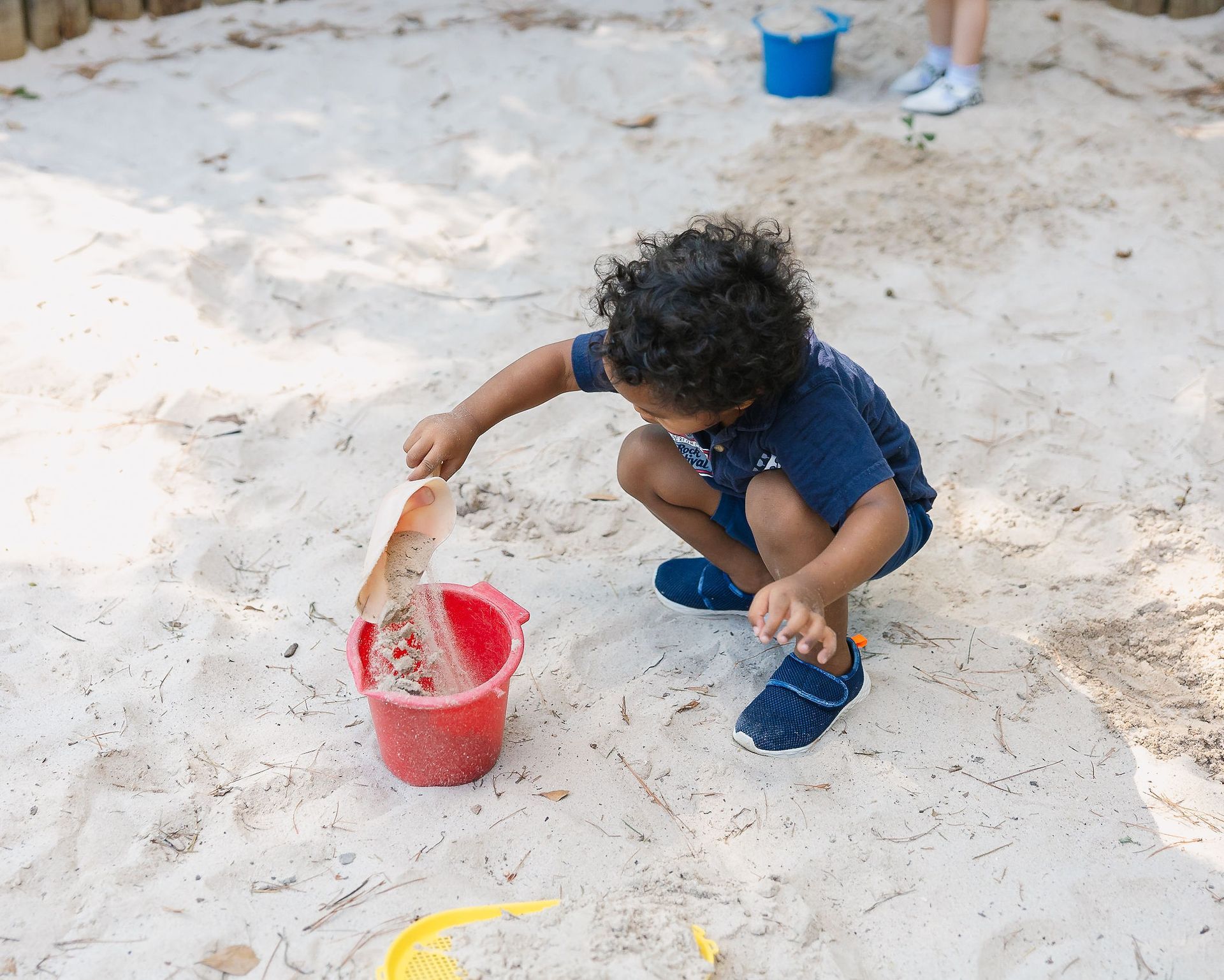
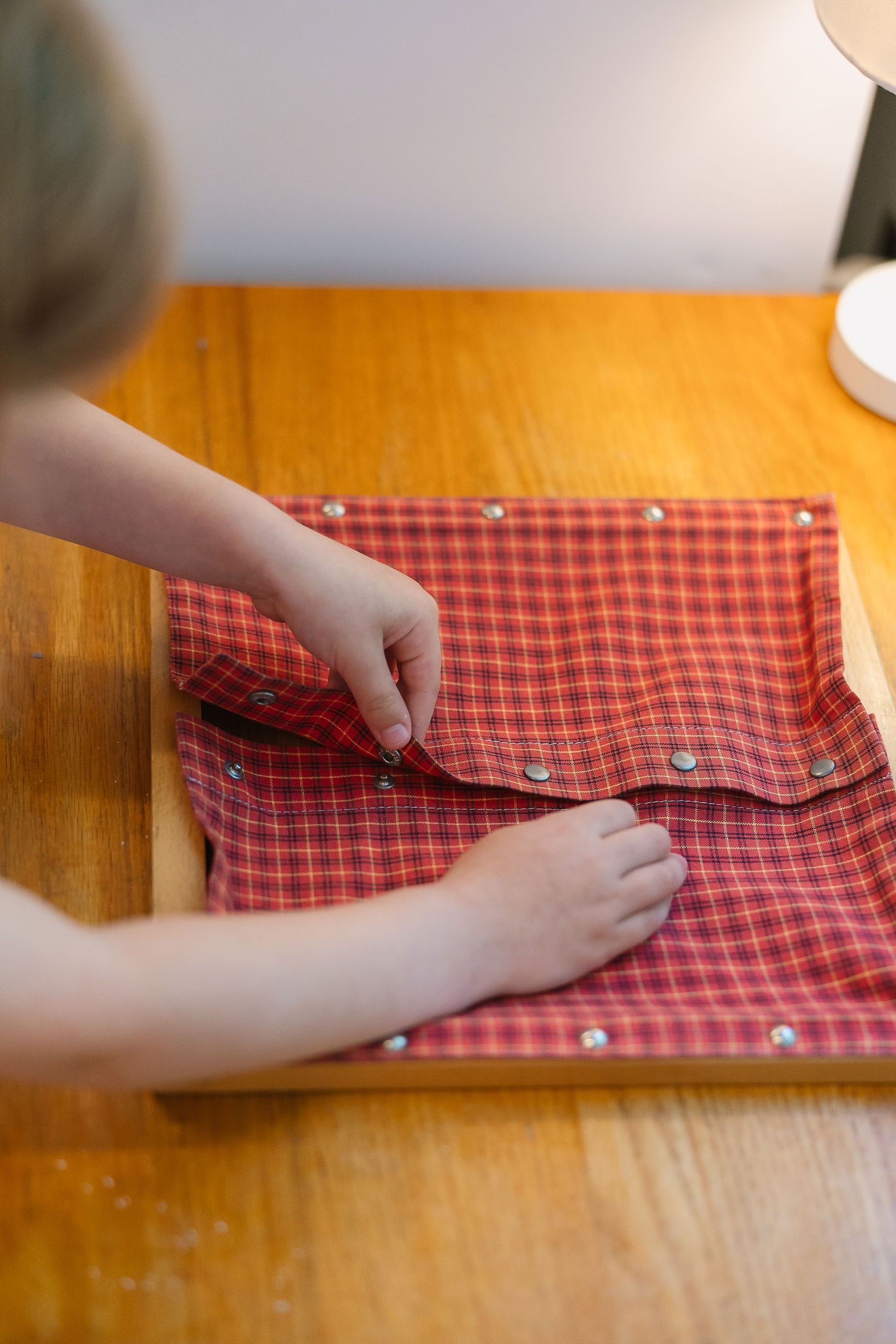
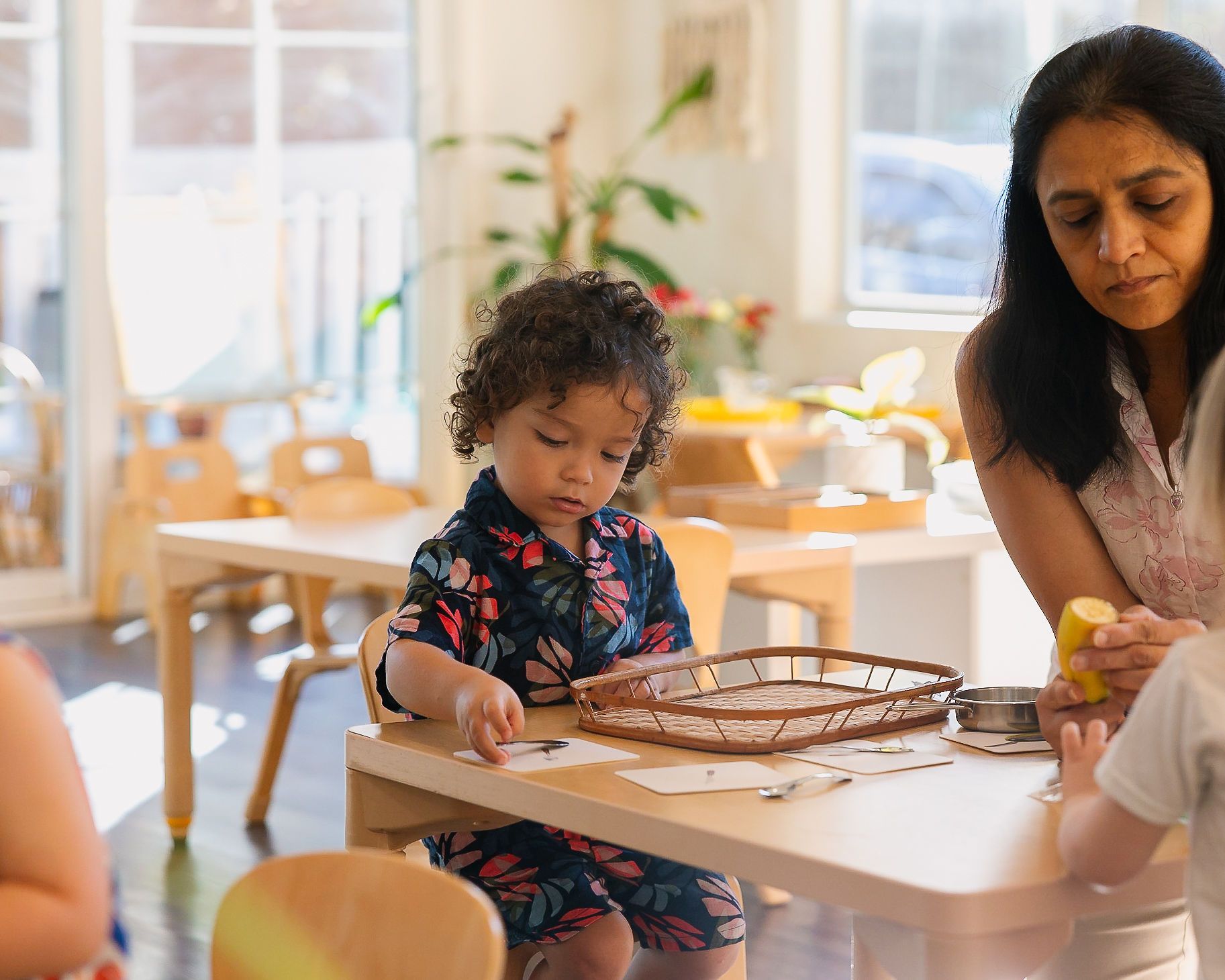
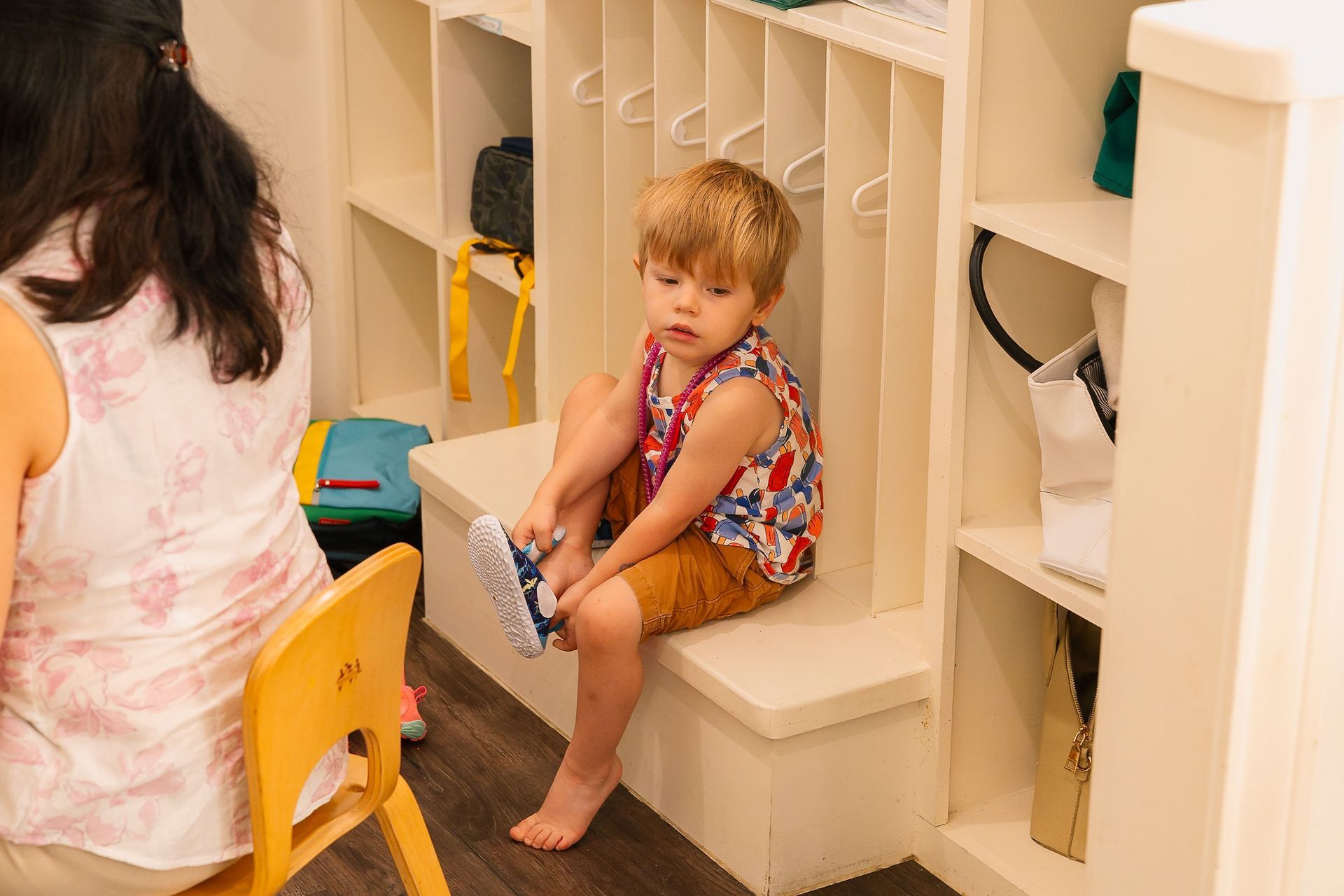
Perhaps you have heard about self-directed play, also known as open-ended play or self-chosen work. While it might seem like a recent parenting trend, the concept is as old as childhood itself. It also happens to lie at the very heart of authentic Montessori education.
When we understand why self-directed play is so essential, and how simple it can be to cultivate at home, it becomes a natural and joyful part of daily family life.
What Is Self-Directed Play?
If your child is using simple materials in creative ways without a forced or adult-directed outcome, they are already engaging in self-directed play.
Many modern toys are designed for a single, specific purpose. A battery-operated plastic dinosaur or a electronic train table can certainly be fun, but the child’s role is often passive. The toy does the work, and the ways a child can interact with it are defined by the object itself.
Now consider a simple wooden block, a piece of silk fabric, or a smooth cardboard tube. The possibilities suddenly become endless. The tube might be a telescope on the back porch, a tunnel for a wooden car, or a cylinder to roll through the grass. The materials offered for open-ended exploration are intentionally simple. Think of natural blocks, fabric remnants, wooden bowls, clay, or treasures collected from the backyard.
When children embark on self-directed play, adults are invited to step back. As parents, our natural instinct is often to step in, demonstrate the proper way to use an object, or guide the activity toward a finished product. Giving yourself permission to simply observe is a powerful shift. When we step back, we get to witness the natural brilliance of a child discovering their own ideas.
How Self-Directed Play Benefits Young Children
In our Toddler and Primary environments at Northwood, we see how self-chosen work transforms a child's confidence every day. Allowing children to direct their own play at home offers similar lifelong benefits:
- Builds Authentic Self-Confidence: By exploring independently, children realize how much they can accomplish on their own. They create their own games, test their own theories, and experience genuine satisfaction.
- Fosters Real Independence: Our ultimate goal as parents and Montessori educators is to help children become capable, self-reliant individuals. Self-directed play gives them a safe space to practice making decisions and solving problems independently.
- Nurtures Deep Creativity: Without a fixed set of instructions, children flex their imaginative muscles. They see possibilities that adults often miss, creating intricate stories and testing new concepts.
- Develops Problem-Solving Skills: When a tower wobbles or a game needs new rules, children must think critically to find a solution. Working through these moments builds cognitive flexibility and resilience.
- Allows Children to Learn at Their Own Pace: Self-directed play carries no artificial timelines or pressure. Children naturally return to concepts over and over until they feel a sense of mastery.
- Cultivates Inner Motivation: When an activity is driven by the child's own interest rather than adult praise or electronic rewards, they discover the deep satisfaction of concentration and self-directed accomplishment.
Simple Ways to Support Self-Directed Play at Home
If you would like to encourage more self-directed play in your home, here are three gentle steps to get started:
Choose Simple, Natural Materials
Opt for open-ended items made from natural materials whenever possible, such as wood, cotton, metal, and glass. Simple items invite active participation, whereas complex toys often leave the child as a passive observer.
You can also create a simple tray of loose parts using items found around the house or in nature. A tray with smooth river stones, large wooden beads, pinecones, and small woven baskets offers endless opportunities for counting, sorting, and imaginative design.
Prepare the Space
Children thrive when their environment is clear, orderly, and accessible. Set up a defined, safe space where your child can move freely, whether that is a corner of the living room or a spot on the back patio. Keeping a smaller selection of open-ended materials on low, uncluttered shelves makes it easy for your child to choose an activity independently and return it when finished.
Protect Their Concentration
Once your child is happily absorbed in an activity, resist the urge to interrupt with praise or direction. Sitting nearby with a quiet activity of your own creates a calm, supportive presence while giving your child the physical and mental space to follow their own train of thought.
When we trust our children to lead their own play, we give them one of the greatest gifts possible: the freedom to become confident, curious, and creative lifelong learners.
You might also like