Supporting Gentle Transitions: Understanding Separation Anxiety at Northwood
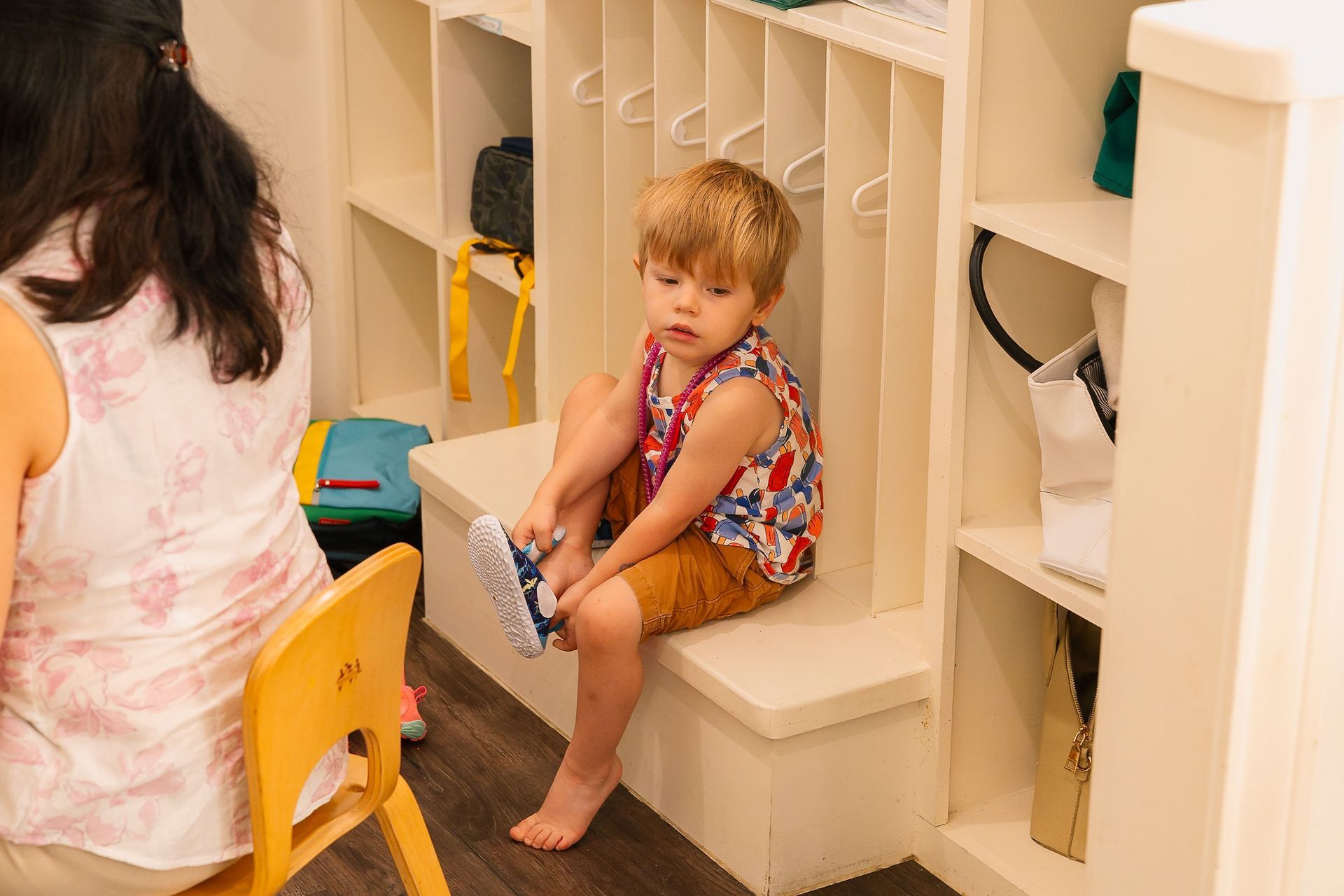
Every fall, and even during mid-year entry, classroom doorways become places of meaningful transition. Children are often eager to explore their Montessori environment, drawn to the purposeful activities waiting on the shelves. At the same time, it is completely natural for young children to experience a degree of separation anxiety when saying goodbye.
If you are navigating tearful drop-offs, please know that this is a very normal, healthy part of development. Here is a closer look at why this happens and how we can work together to help your child feel secure, confident, and peaceful during times apart.
What Separation Anxiety Looks Like
Separation anxiety is a natural step in emotional growth, particularly during the toddler and early primary years. While it can bring stress to both parent and child, it actually demonstrates a strong, healthy attachment.
In our Toddler and Primary children, you might notice:
- Crying or tearing up at drop-off
- Holding tightly to a parent’s hand or clothing
- Verbal protests about going to school
- Seeking extra reassurance before leaving home
For most children, these behaviors are temporary and resolve within a few weeks. As toddlers and young children internalize the routine and realize that parents always return, their anxiety naturally fades. Even older children in our Primary environments may experience brief periods of hesitation during times of change. This is all part of the journey toward independence.
Why It Happens
Separation anxiety looks different depending on your child's developmental stage.
In the toddler years, children are learning to process the concept of time and distance. They are developing trust that a temporary separation does not mean a permanent absence. Once they experience the reliable rhythm of the school day, that trust solidifies.
There are also physical and emotional factors that can heighten a child's need for closeness:
- Being tired or coming down with an illness
- Changes in home routines, such as a new baby, a move, or a visiting family member
- Returning from a long weekend or school break
When underlying needs are met and routines stay consistent, children quickly regain their footing.
Strategies for a Peaceful Goodbye
Every child is unique, but these gentle strategies align beautifully with our Montessori approach and tend to offer comfort to both children and parents:
Give Yourself Extra Time
Rushing creates unintended stress. Leaving a few extra minutes in the morning allows you to move at a calm, unhurried pace, setting a peaceful tone for the entire day.
Establish a Predictable Goodbye Routine
Children thrive on order and predictability. Create a simple, consistent drop-off ritual. This might be a specific song on the drive to school, a warm hug at the gate, and a clear, loving word of farewell.
Be Consistent
Stick to your routine as closely as possible. Consistent schedules build a child’s confidence in their world and help them feel secure.
Keep Goodbyes Clear and Brief
While it is tempting to stay a little longer to soothe an upset child, lingering often prolongs the difficulty. On the other hand, sneaking away can create uncertainty. The best path is a clear, loving goodbye followed by a confident exit. Say a brief, warm farewell, reassure them that you will return after their school day, and hand them off to their guide or assistant.
Trust the Classroom Team
Our guides and assistants are deeply experienced in helping children navigate these tender moments. In an AMI Montessori environment, we honor the child’s feelings while gently redirecting their focus toward engaging work that naturally invites calm and interest.
When to Seek Additional Guidance
In the vast majority of cases, separation anxiety lifts as the child becomes absorbed in the daily rhythm of the classroom. However, if your child’s distress persists for several months without improvement, or if it significantly impacts their well-being throughout the day, please reach out to your child’s guide.
We are always here to partner with you, observe, and discuss how best to support your child both at home and at school.
Schedule a tour to see how we support children at Northwood Montessori School.
You might also like